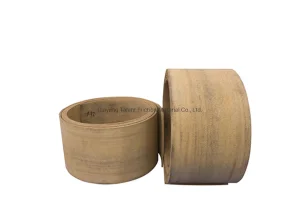
1. What is a clutch friction lining, and why does material selection matter in Novosibirsk?
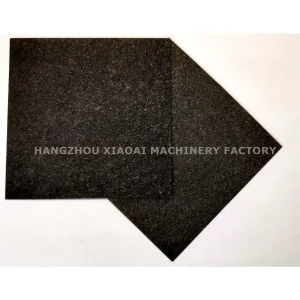
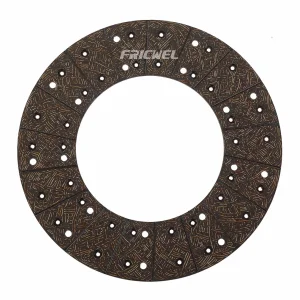
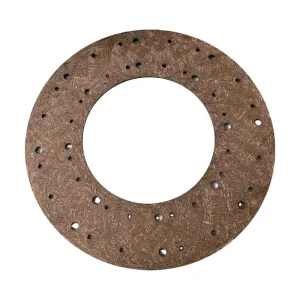
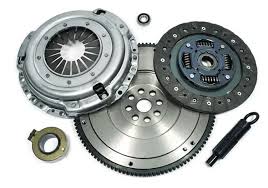
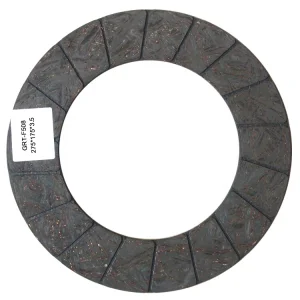
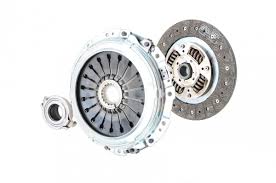
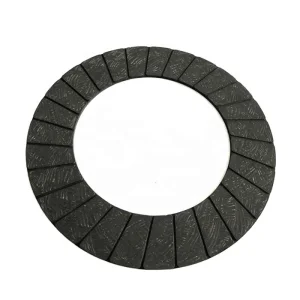
A clutch friction lining is the friction material that controls torque transfer between the clutch disc and pressure plate or within a wet transmission. In Novosibirsk, cold winters, heavy loads, dust, and long-distance duty make material stability especially important. A lining that performs well on paper can still cause shudder, poor release, or short life if it is not matched to the application.
2. Can you supply non-asbestos and copper-based friction linings?
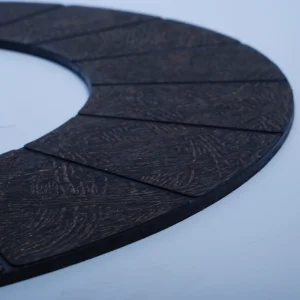
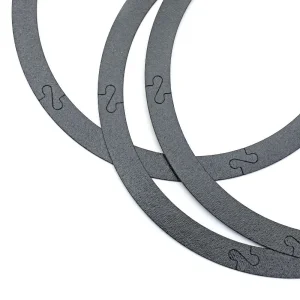
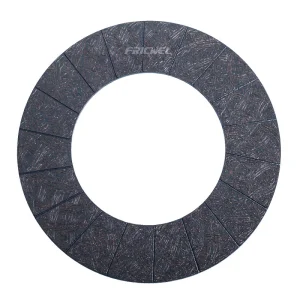
Yes, non-asbestos and copper-based friction material references are available within the product range shown above. Buyers should specify the application, required friction behavior, and destination-market requirements so the appropriate material construction can be confirmed before order.
3. Which product series are most relevant for the Novosibirsk market?
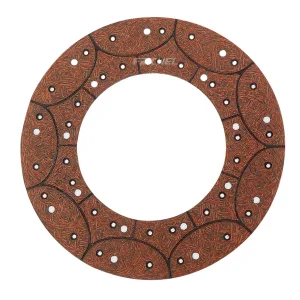
The Russian and Domestic Chinese Truck Clutch Series is highly relevant for many regional fleets, while European and Japanese clutch series support mixed-brand distribution and repair demand. Heavy-duty copper facings, wet paper-based transmission linings, and torque converter friction rings are also important for specialist service channels.
4. How is quality controlled during manufacturing?
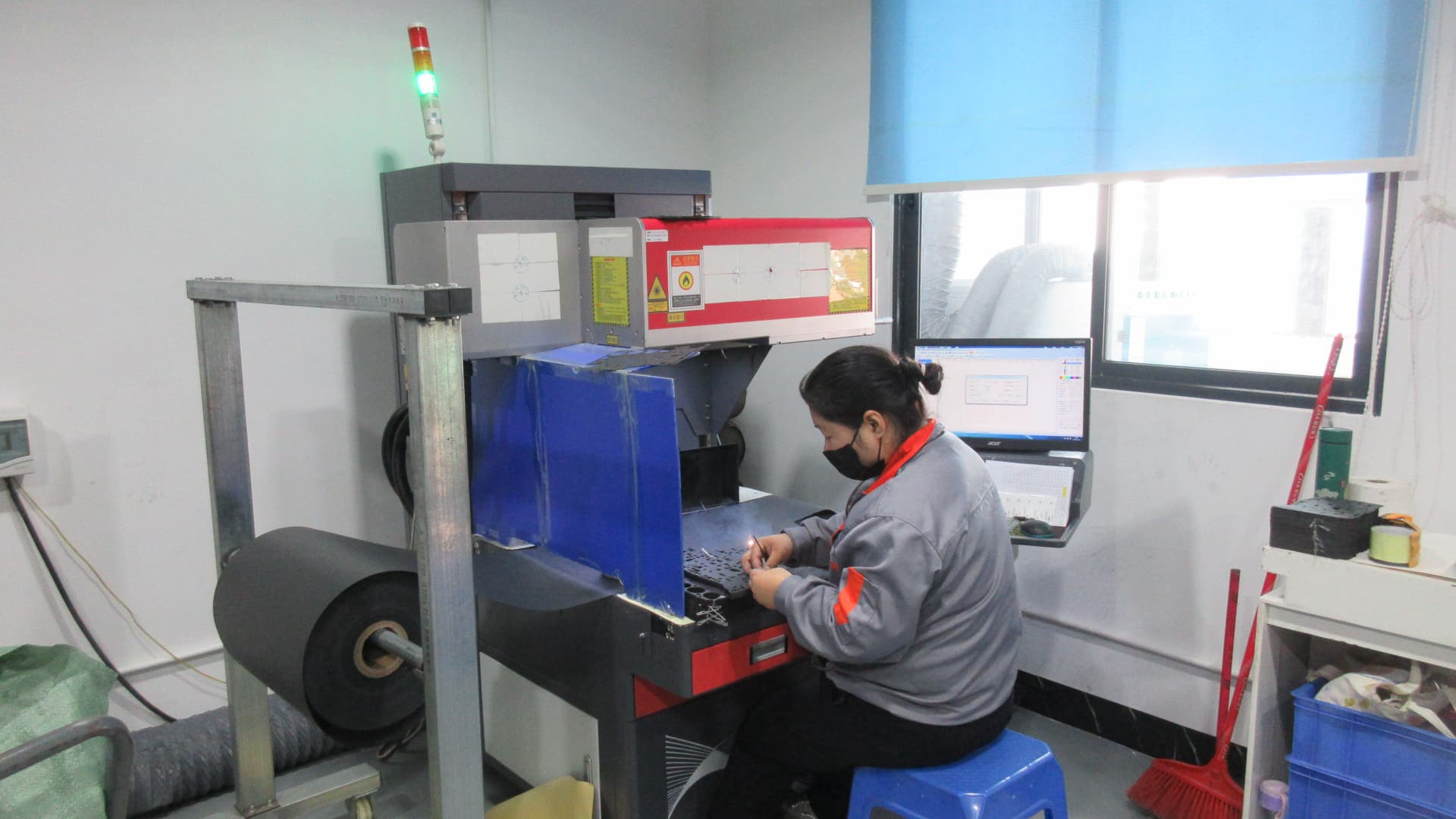
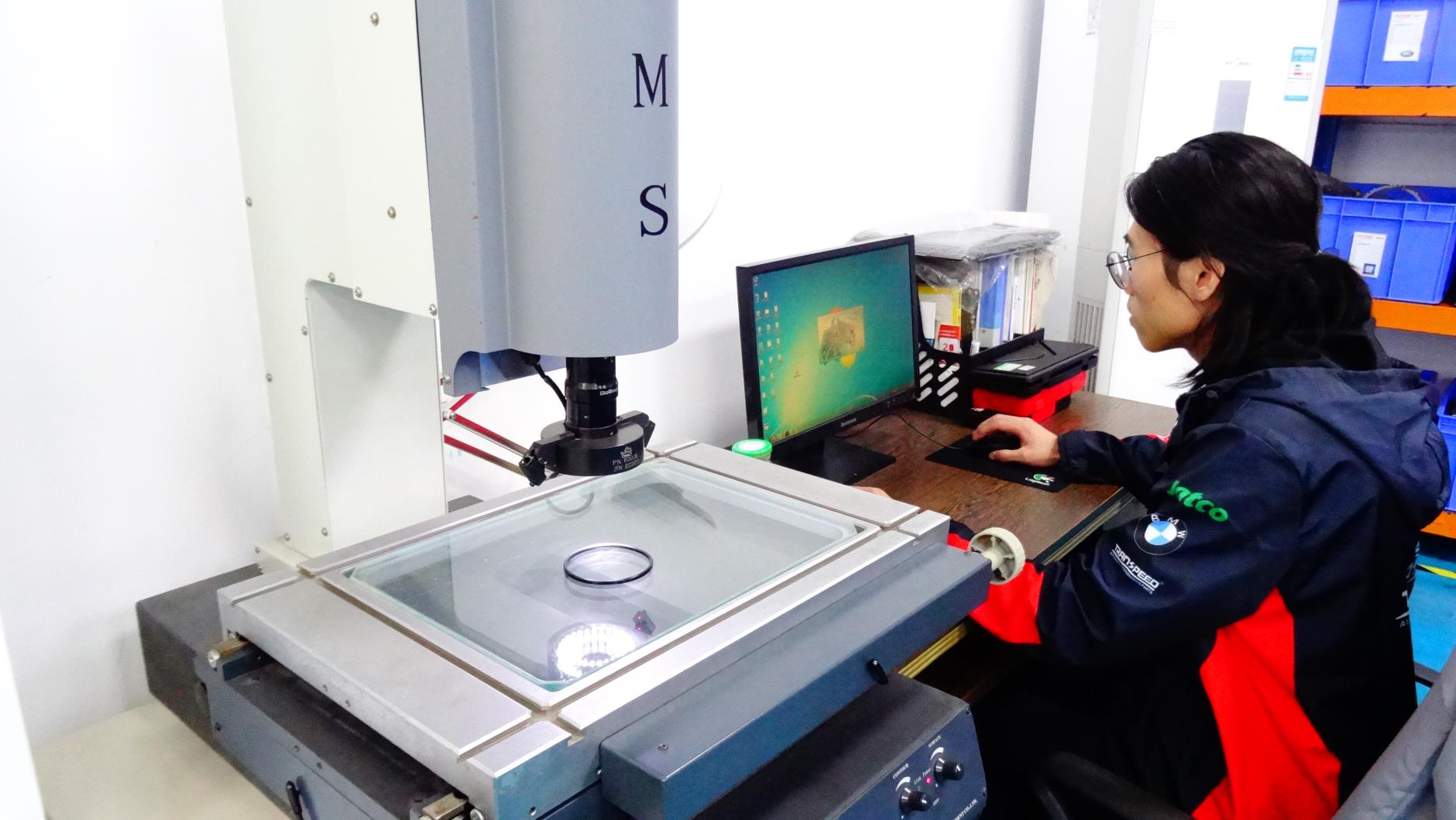
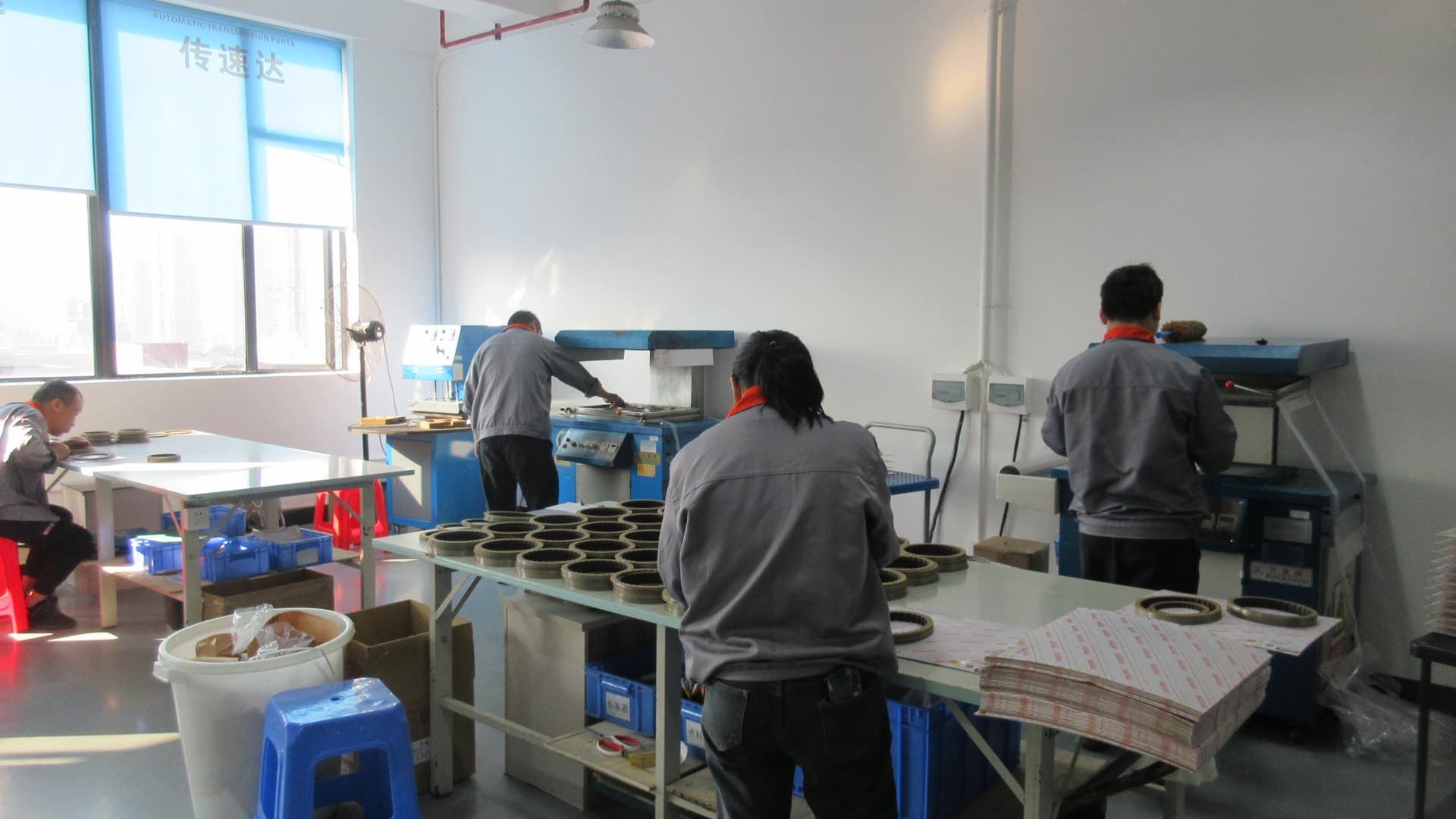
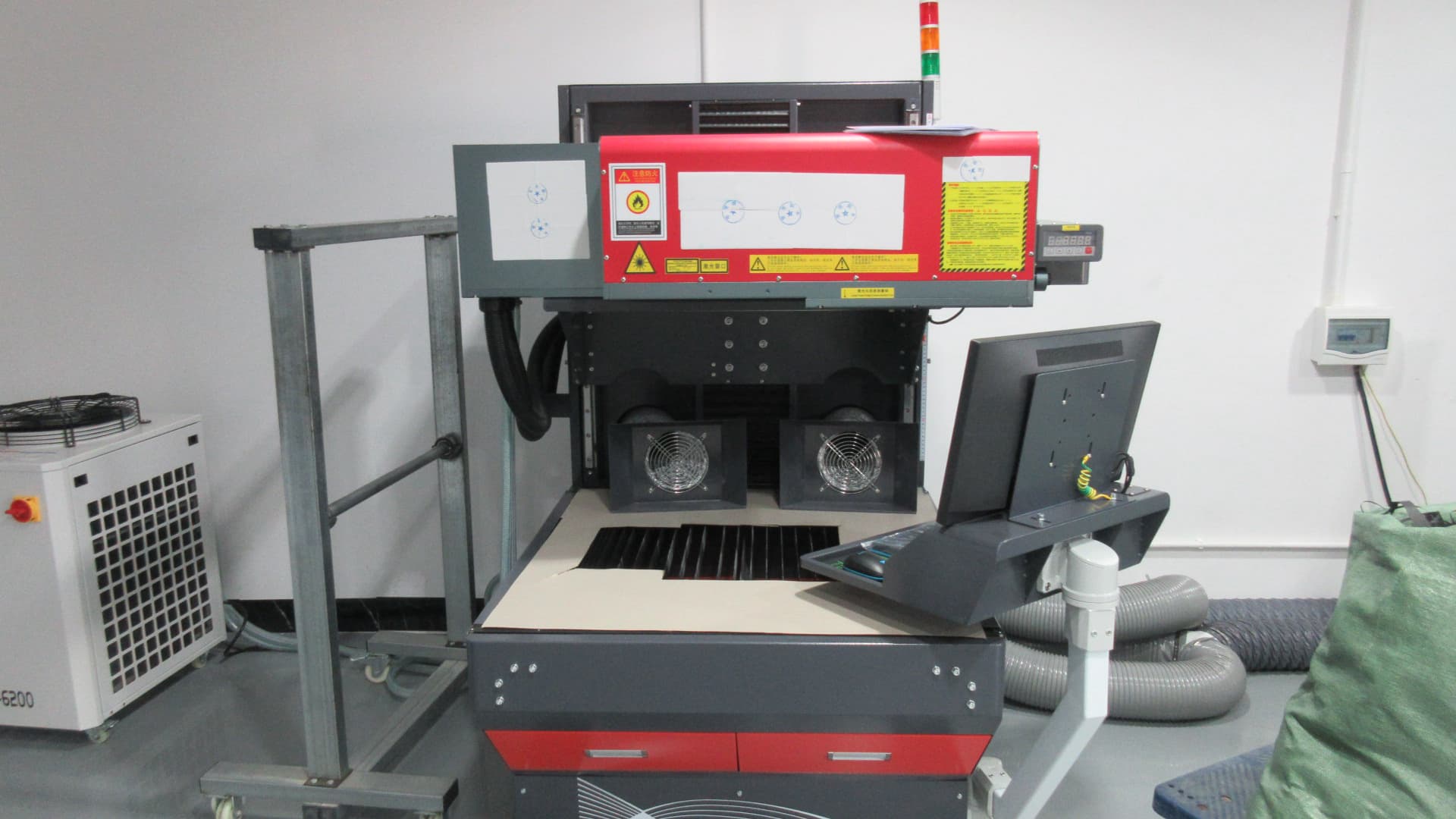
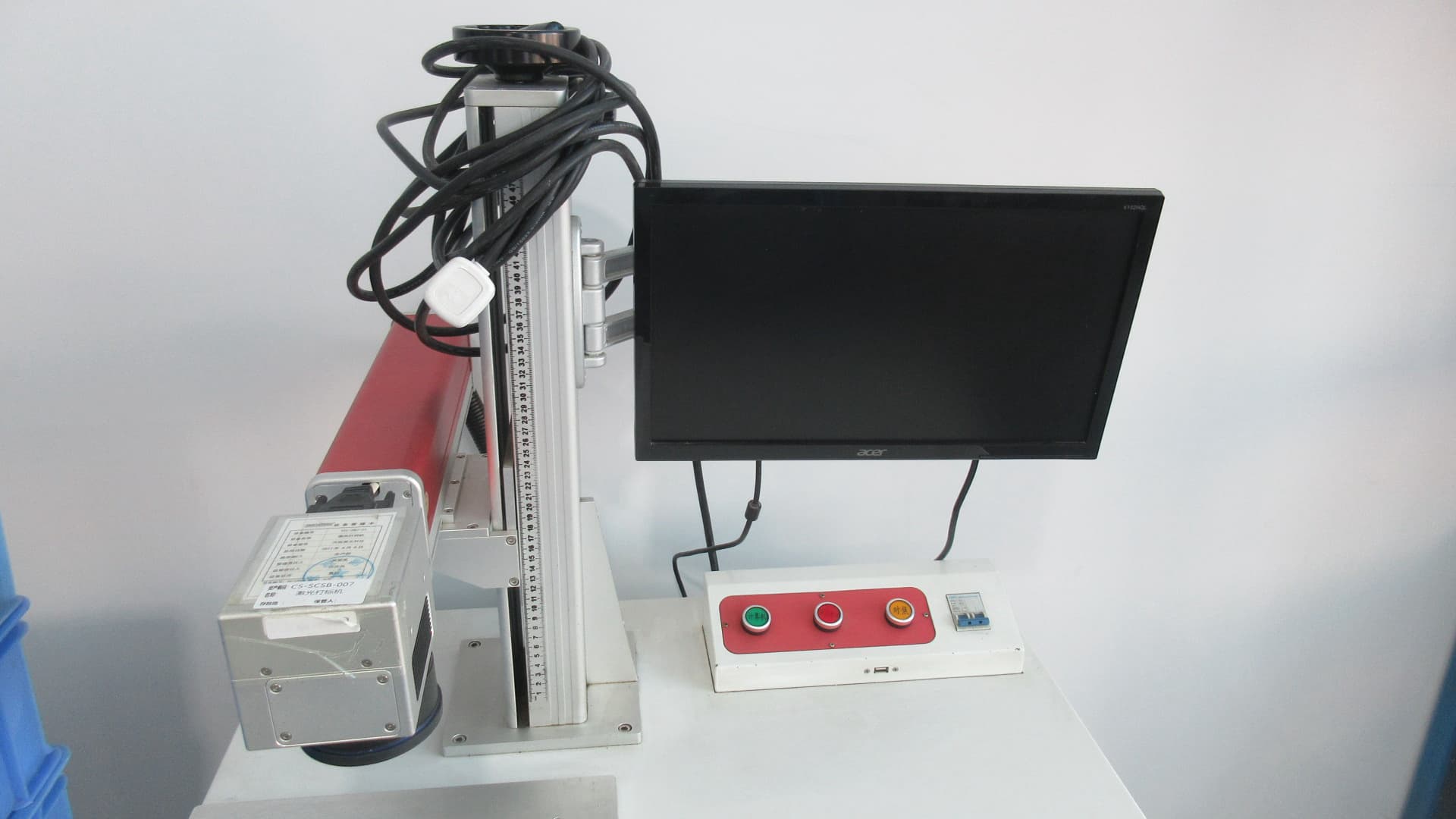
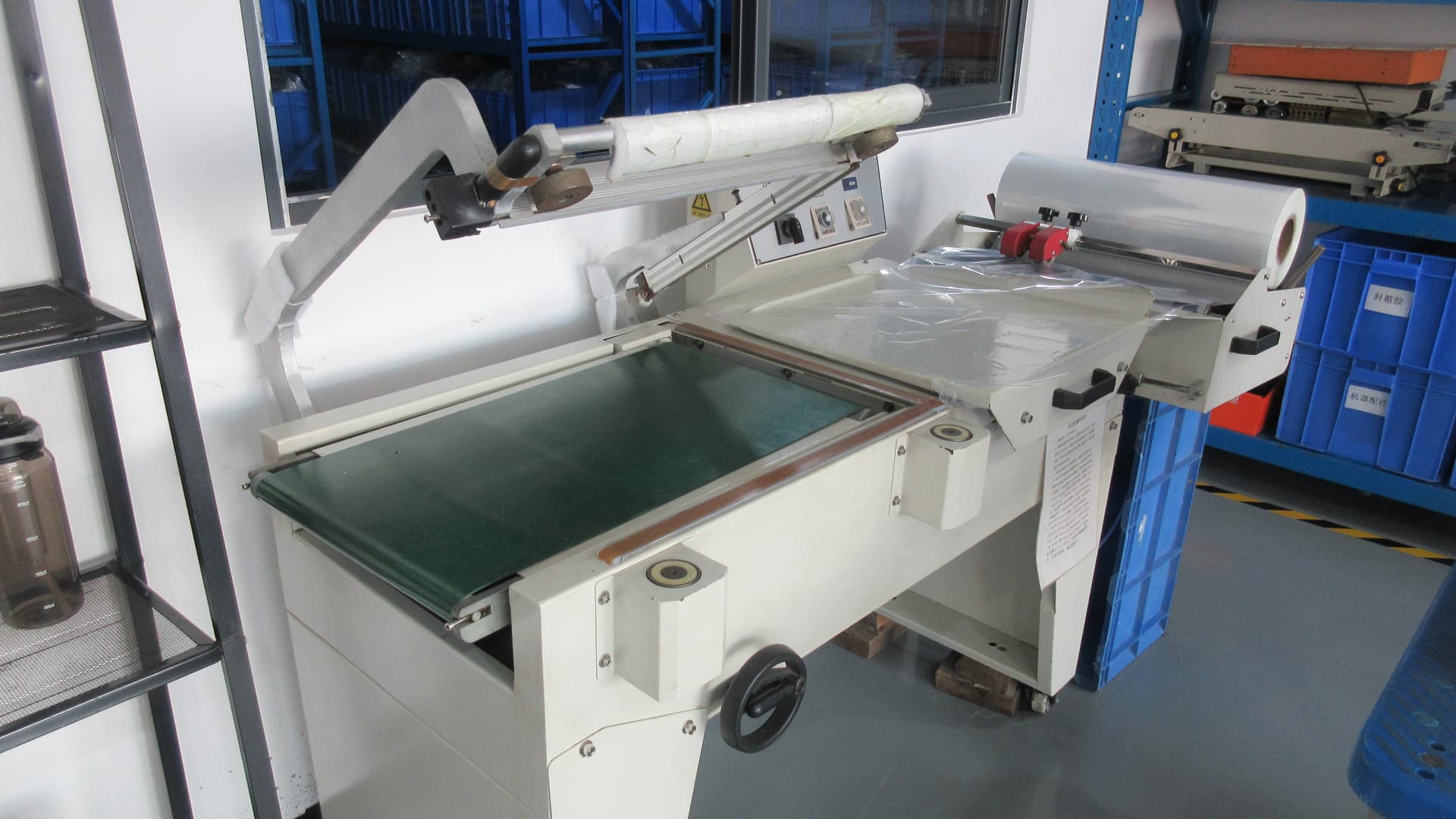
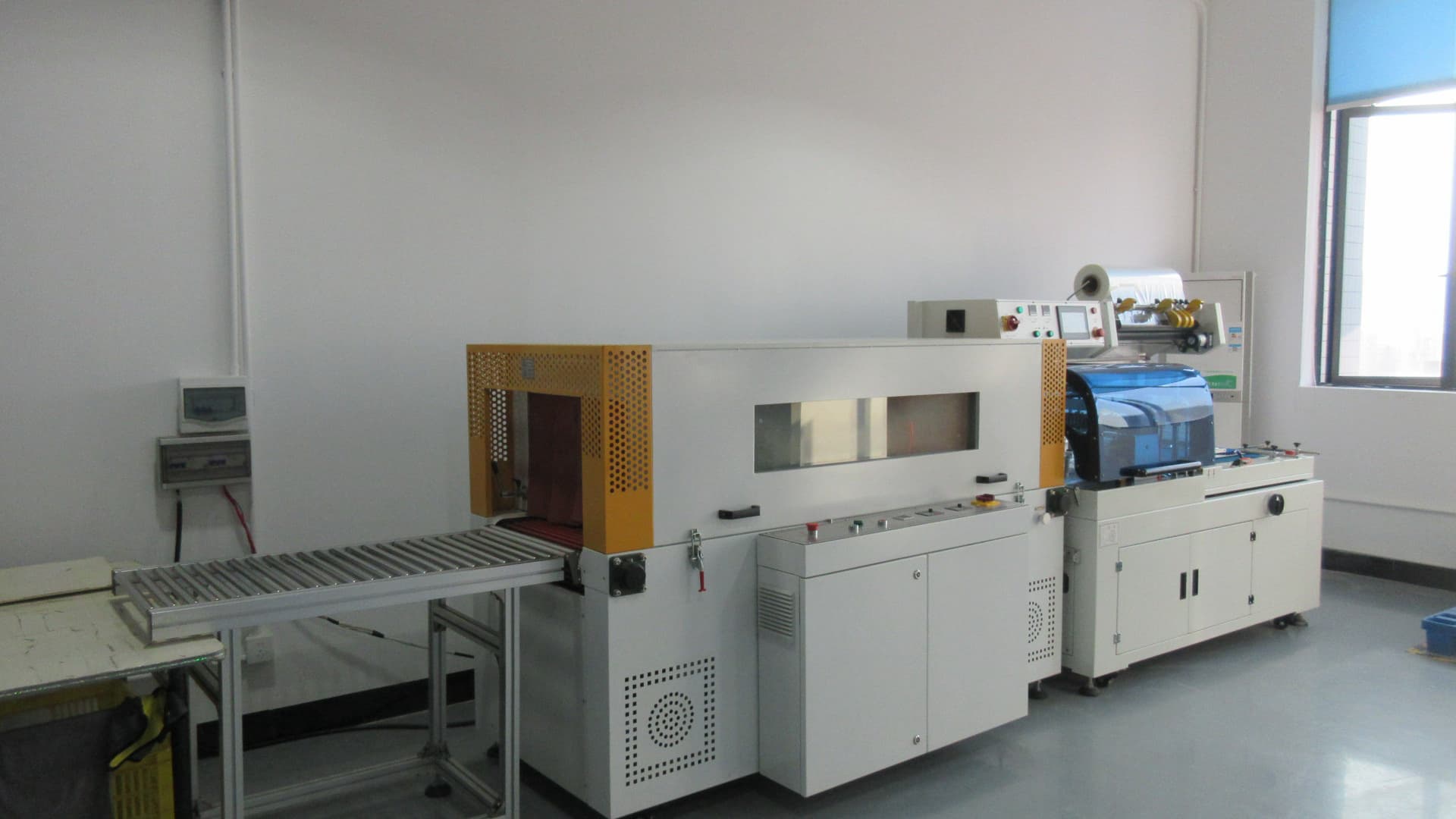
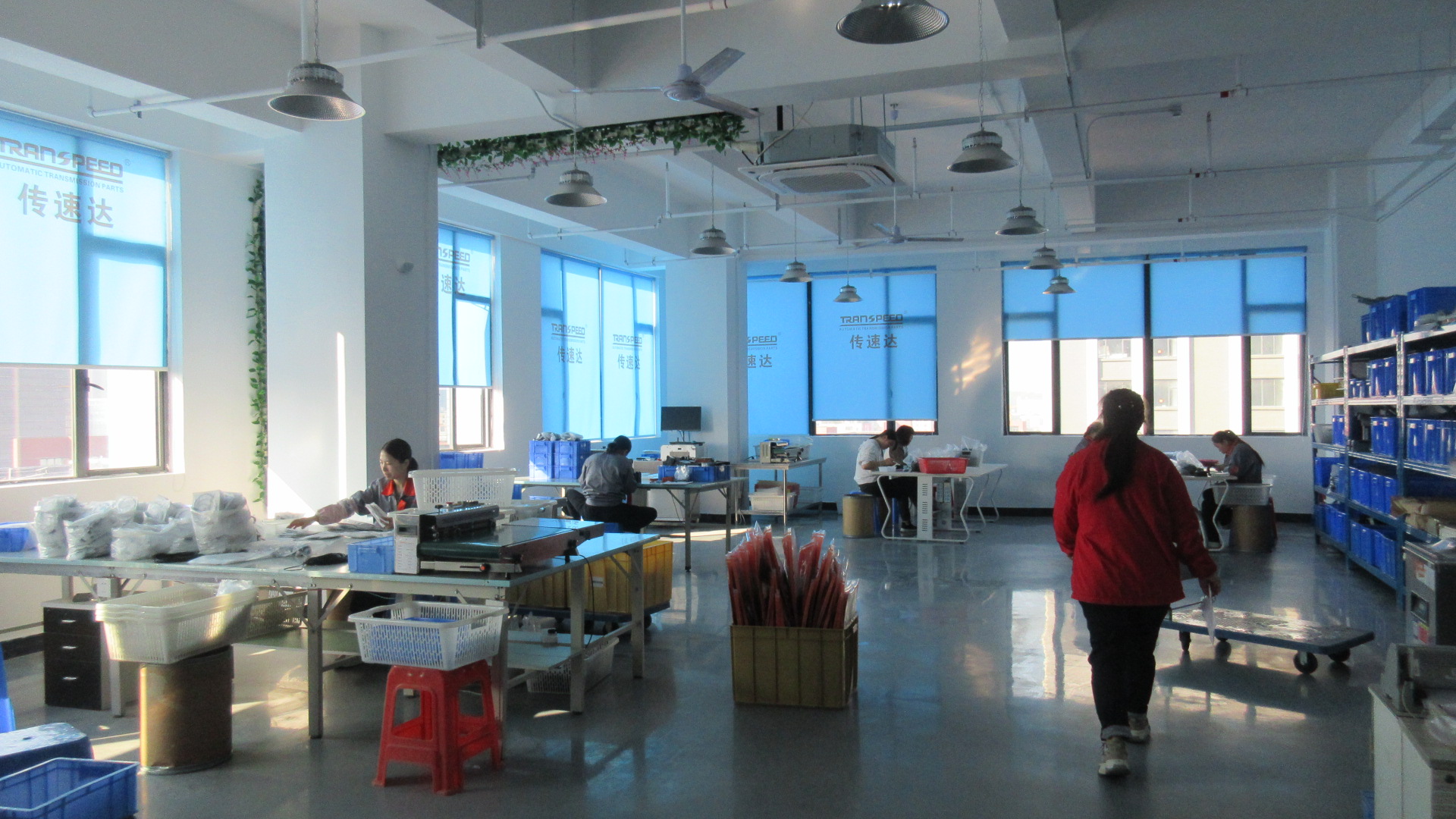
Zhejiang TVC Auto Co., Ltd. uses an ISO/IATF16949:2016 quality control system, manufactures over 90% of clutch parts in-house, passes national authority testing, and uses four full-function pressure test assembly lines. CNC workshops, stamping equipment from 2000T to 30T, heat treatment, surface treatment, and automated assembly all support repeatability.
5. What documents can support import and distribution?
Available documentation depends on the specific product and order. Buyers can request quality certificate references, material declarations, packing lists, product identification, and other commercial documents. Destination-specific import requirements, including EAEU documentation where applicable, should be confirmed with the buyer’s customs broker and stated clearly in the inquiry.
6. What information is needed for a fast quotation?
Provide vehicle or application model, clutch dimensions, lining thickness, hole or rivet details, material preference, quantity, packaging requirements, destination city, and required delivery timing. Clear technical information reduces quotation errors and helps confirm whether a standard product or custom requirement is appropriate.
7. Do you support private label packaging for Novosibirsk distributors?
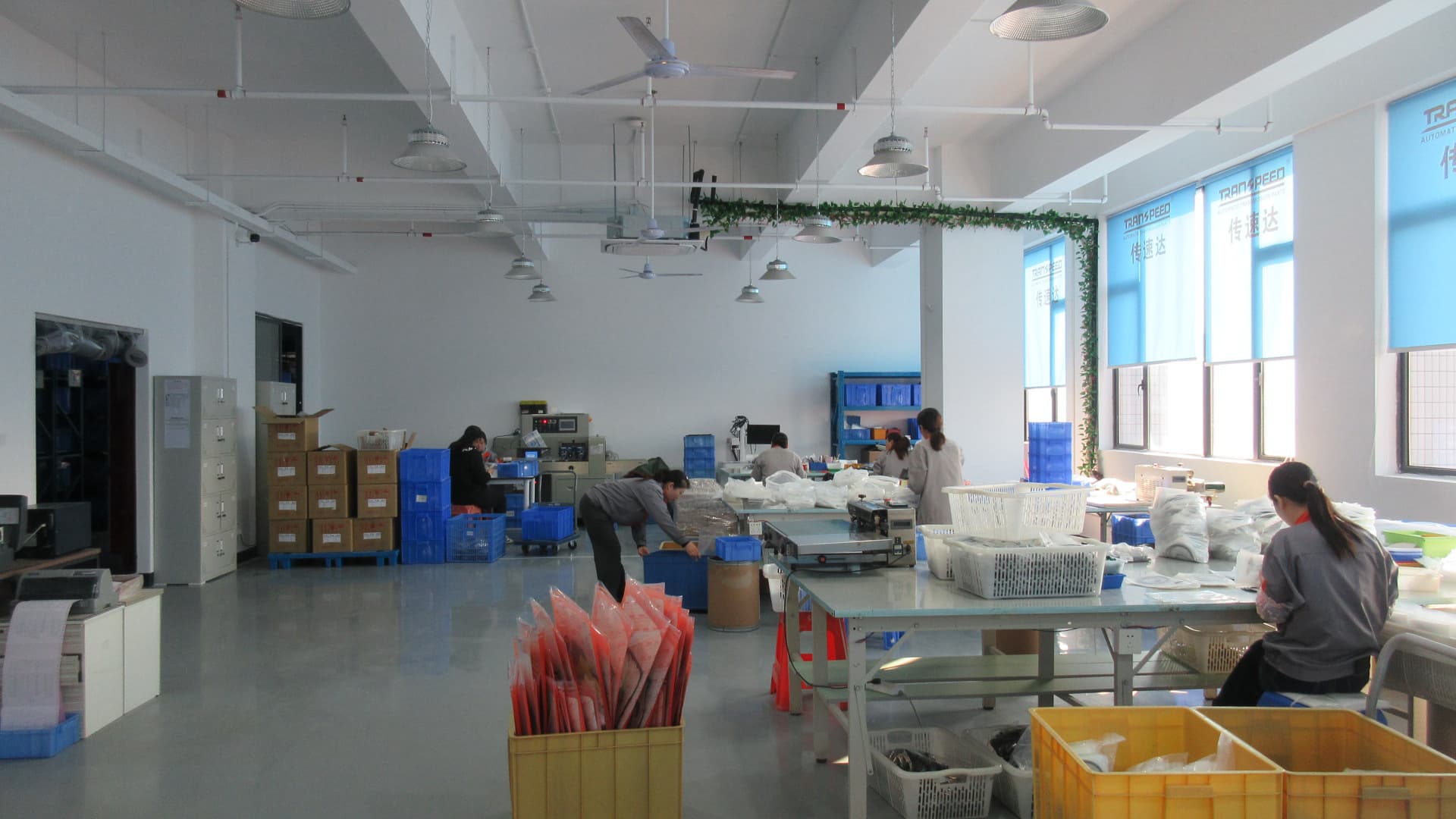
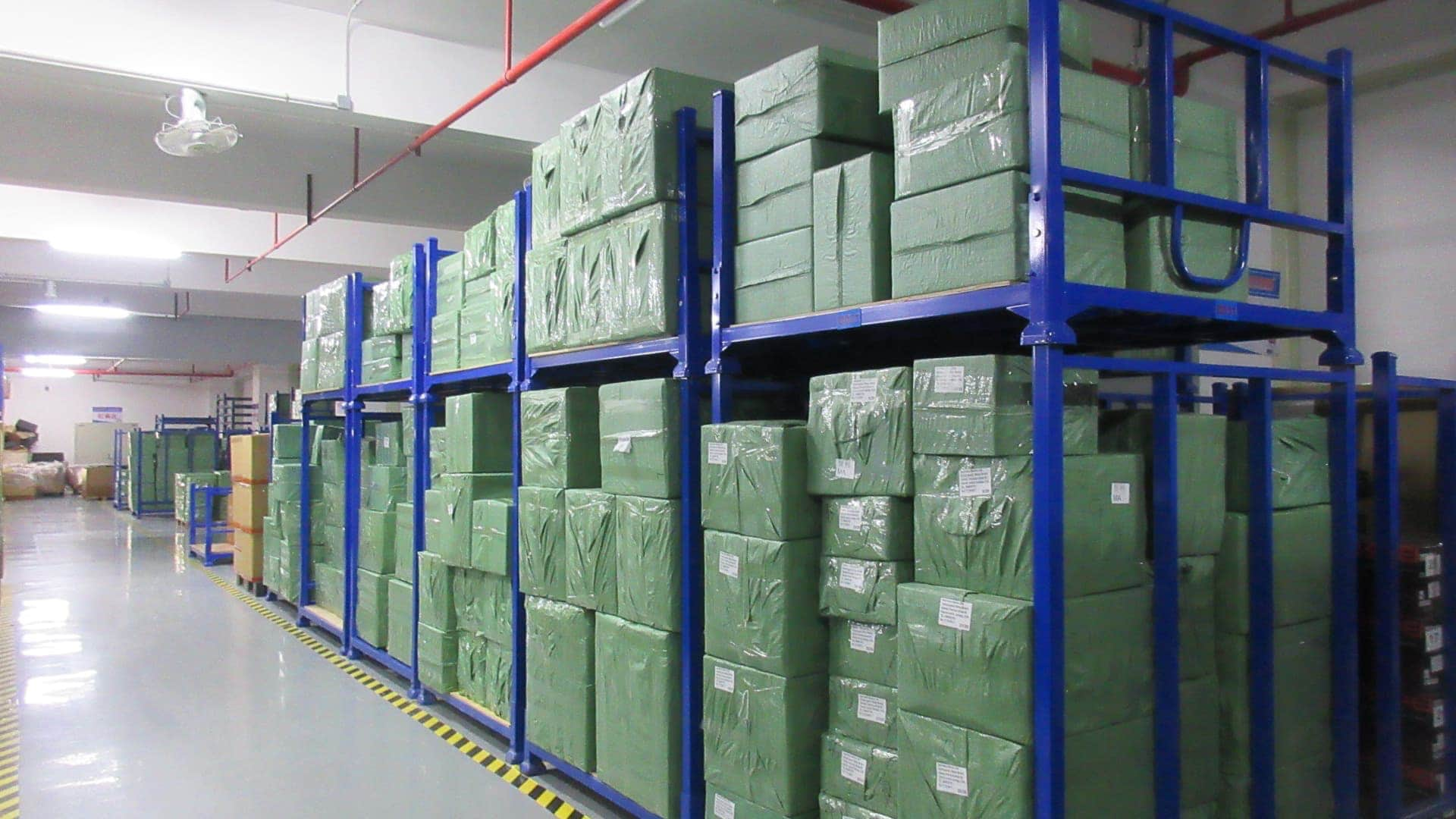
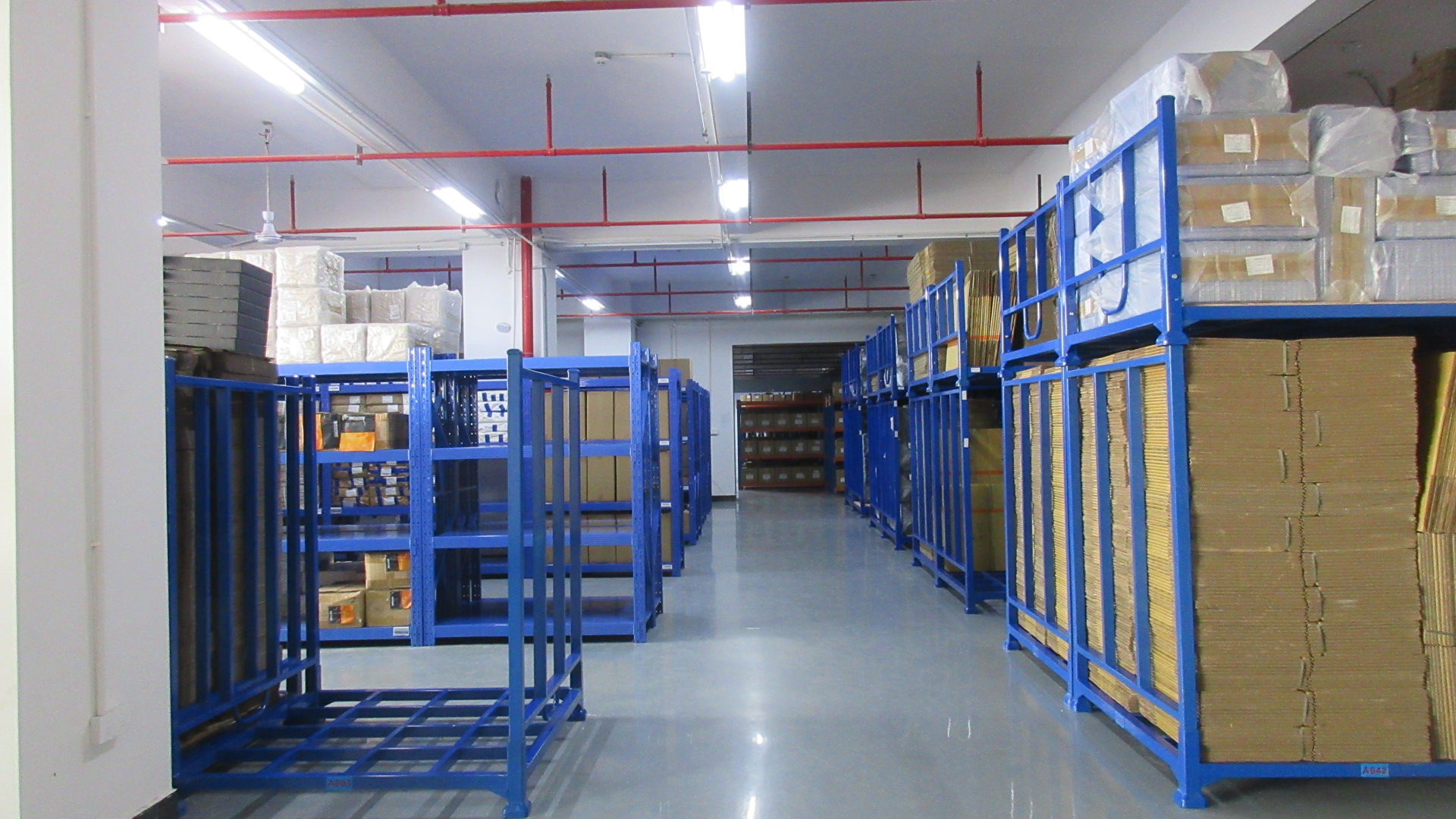
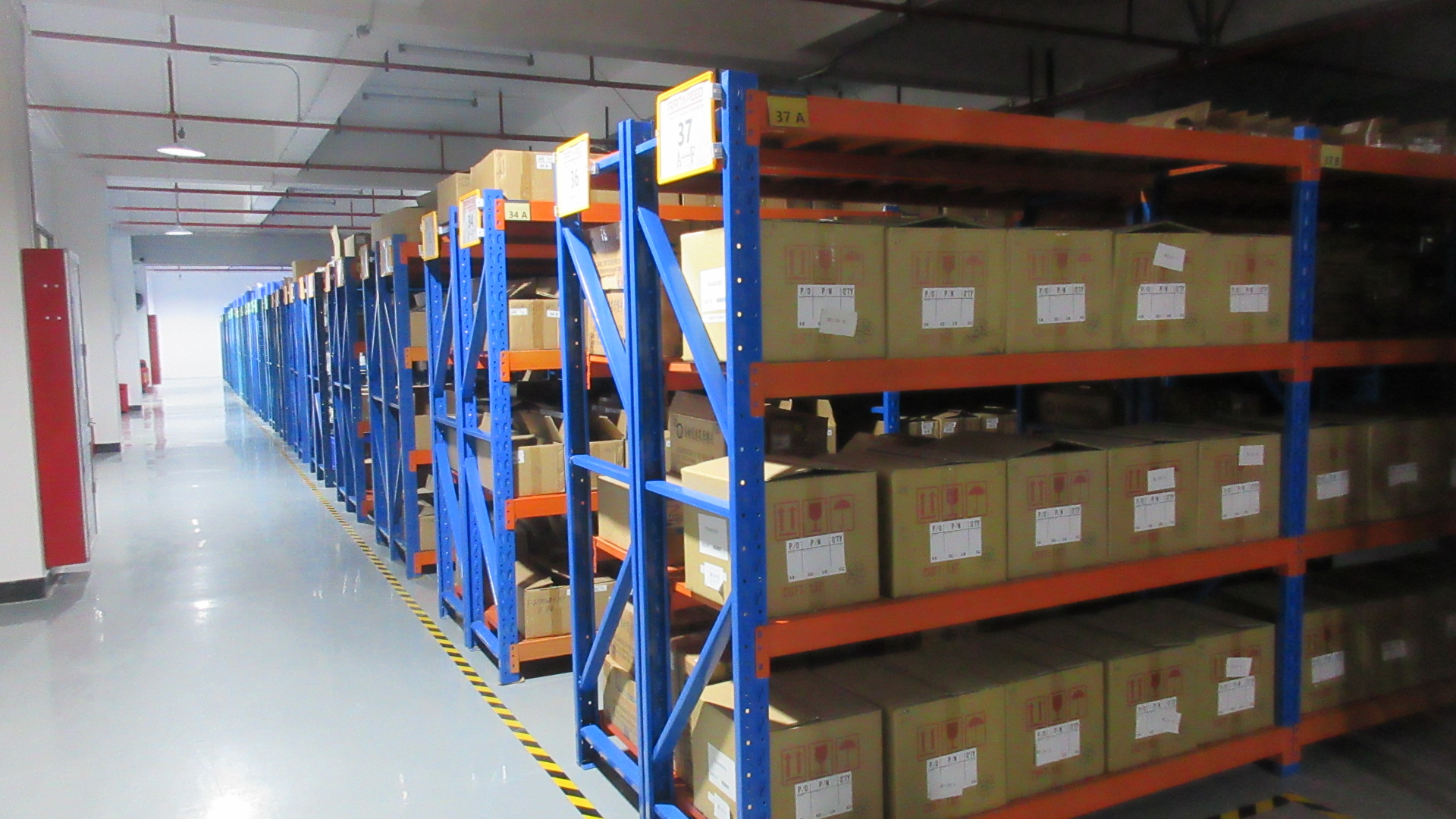
Private-label and neutral packaging discussions are welcome. The final solution depends on order quantity, carton design, label requirements, and product mix. Packaging is especially important for long-distance export and storage in cold climates, so moisture protection and product identification should be planned early.
8. How do wet paper-based and dry clutch linings differ?
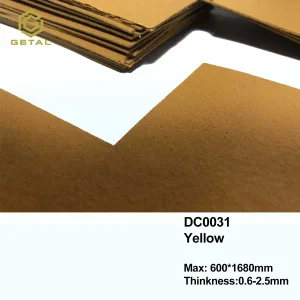
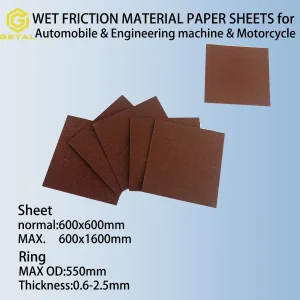
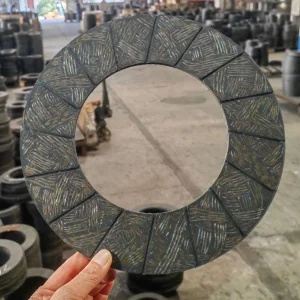
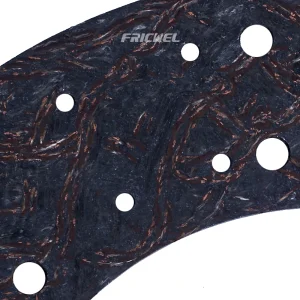
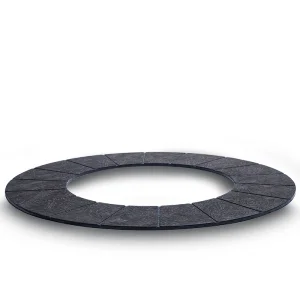
Wet paper-based friction materials are used in oil-lubricated transmission and torque converter systems, where energy absorption, oil compatibility, and smooth engagement are critical. Dry clutch facings and linings are used in dry clutch assemblies and rely on stable dry friction, wear resistance, and heat handling. They should not be selected interchangeably without engineering confirmation.
9. Can your products support mining, construction, cranes, and marine applications?
The range includes heavy-duty truck, mobile crane, wet paper-based, high-copper, brass-wire, deck marine, clutch, brake, and grab dredger references. These applications often require specific friction and durability characteristics, so buyers should describe the operating conditions and maintenance cycle.
10. How should a Novosibirsk buyer start an inquiry?
Use the Send Inquiry Now button and include the product link, vehicle or equipment model, dimensions, material preference, quantity, packaging requirement, and destination details. For mixed orders, list each model separately so pricing, lead time, and packing can be organized efficiently.
 TVC Auto
 ❄️ Novosibirsk-ready selection