Engineered specifically for heavy vehicle wear-resistance and marine deck clutch demands across the South Pacific.
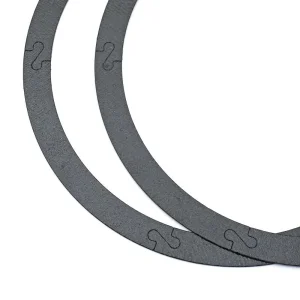
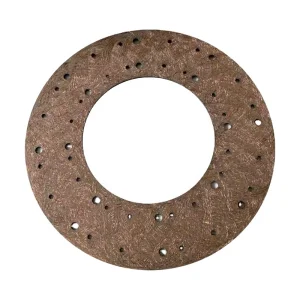
As a nation spread across 33 atolls with a strong reliance on sea freight, port logistics in Betio (Tarawa), and utility transport, mechanical reliability is a non-negotiable lifeline for Kiribati. The extreme tropical maritime environment of Micronesia exposes mechanical systems to persistent ambient salinity, high humidity, and airborne coral sand. These elements cause rapid oxidation, thermal degradation, and abrasive wear on standard heavy vehicle and marine friction materials.
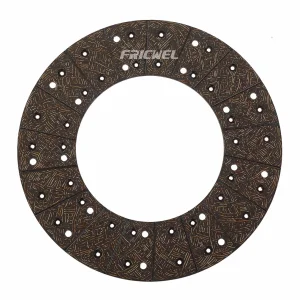
For transport operators, government utility fleets, and marine vessel engineers in Tarawa, sourcing heavy-duty clutch friction linings that resist oxidation-induced structural cracking is a critical preventative maintenance priority. Zhejiang TVC Auto Co., Ltd. addresses this vital requirement by designing and exporting optimized, anti-corrosive copper-rich and Kevlar-reinforced friction linings that ensure long service intervals even under severe maritime exposures.
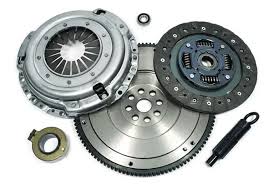
Zhejiang TVC Auto Co., Ltd. was established to provide the global heavy transport and industrial sectors with high-reliability clutch systems and individual friction materials. Led by a specialized team of friction material researchers, chemists, and production engineers, we execute total operational control over the product life cycle—from material science formulations to automated testing.
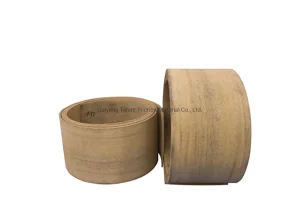
Our ISO/IATF 16949:2016 quality control workflow guarantees that every clutch assembly, lining wafer, and marine wet paper sheet meets strict international shear strength and friction coefficient standard parameters. Because we manufacture over 90% of our parts in-house, we eliminate intermediate supply chain margins, passing direct factory price benefits to our commercial clients in Kiribati.
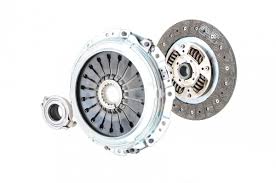
Take a virtual tour of our advanced production lines. Each phase of manufacturing is engineered to enhance the thermal and mechanical integrity of the friction lining.
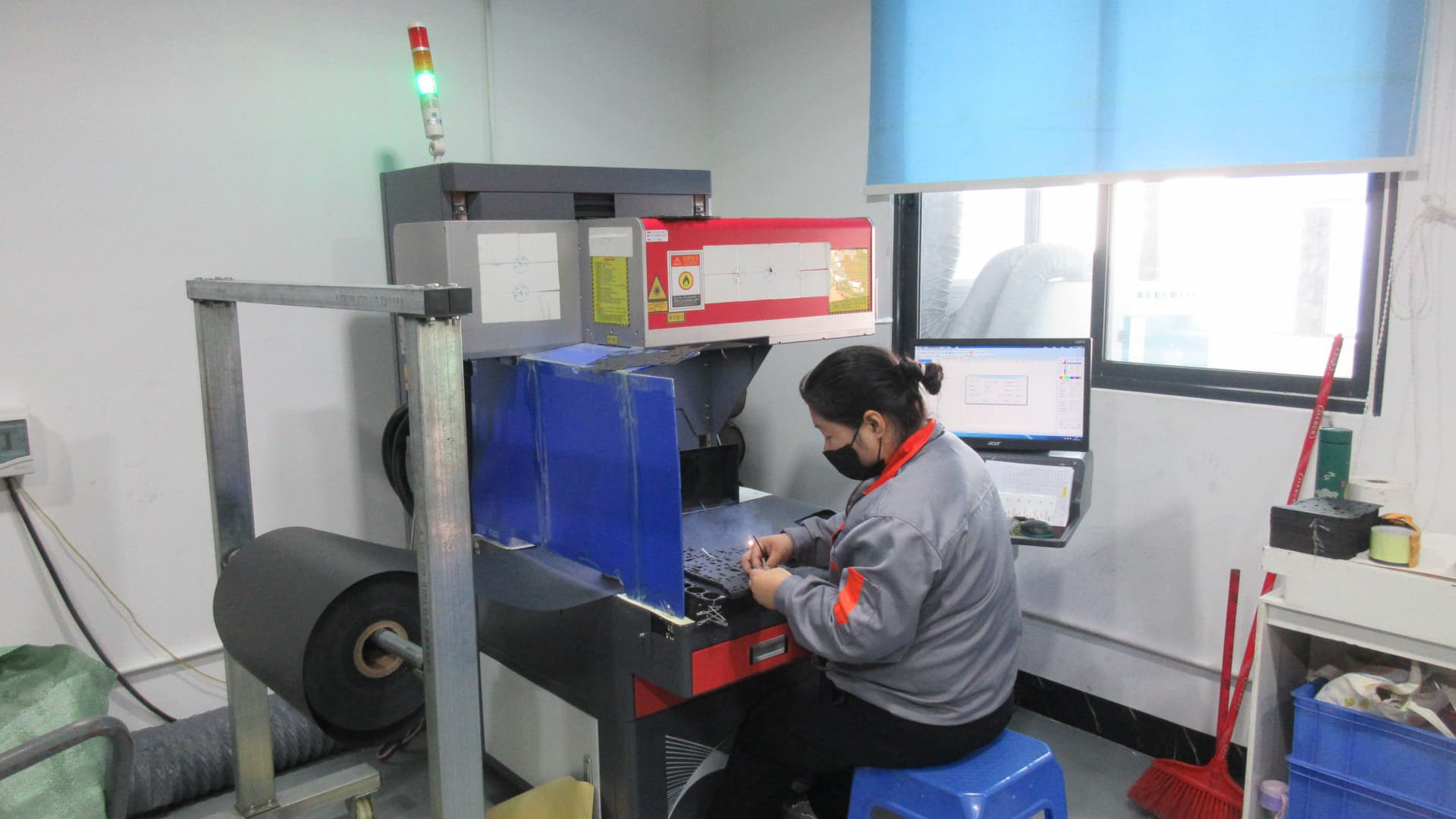
Precision cutting of structural metal backplates and fiber matrices ensures strict geometric dimensional consistency prior to hydraulic forming.
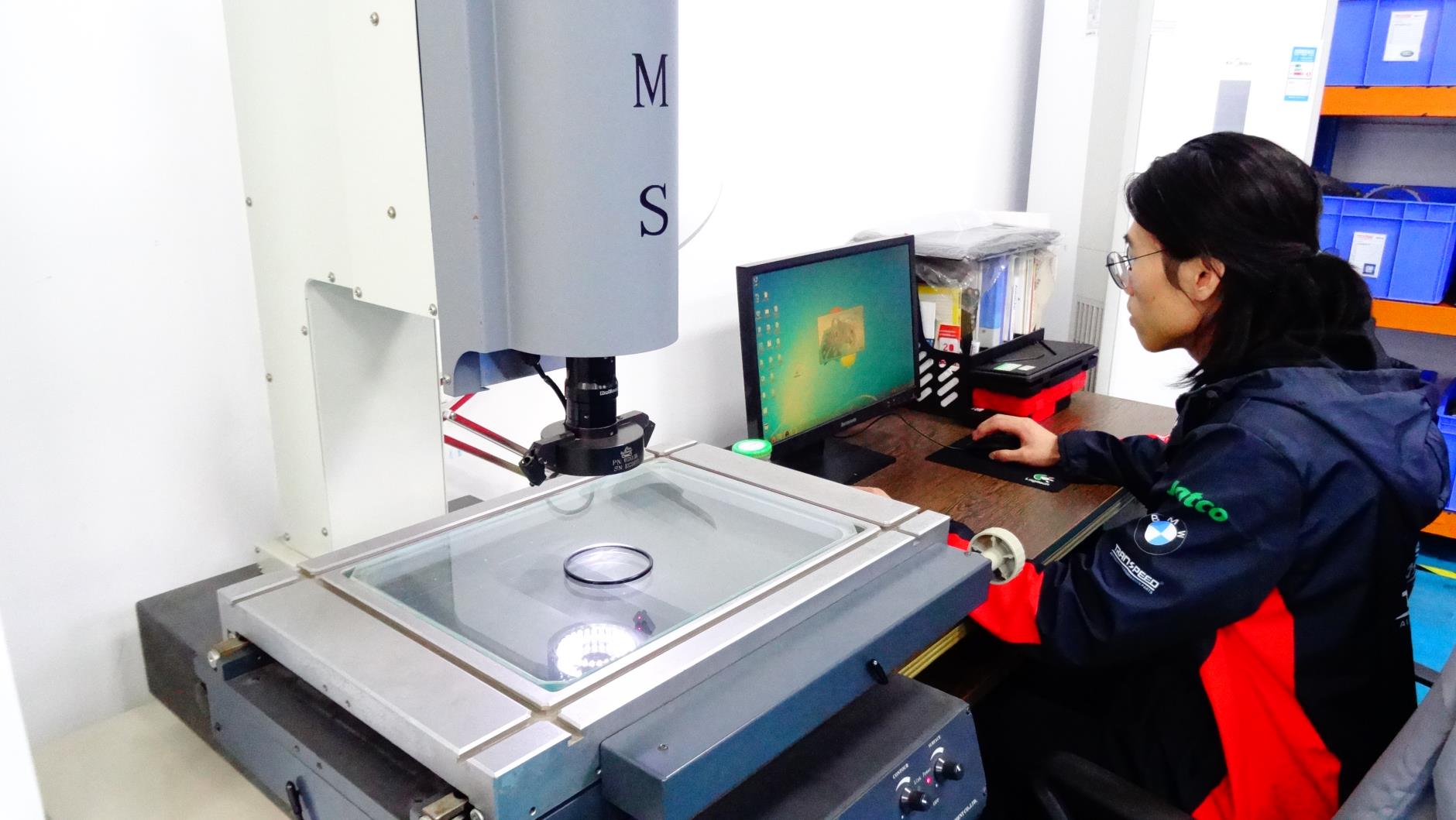
Each batch undergoes rigorous structural density profiling, shear-strength verification, and non-destructive ultrasonic defect testing.
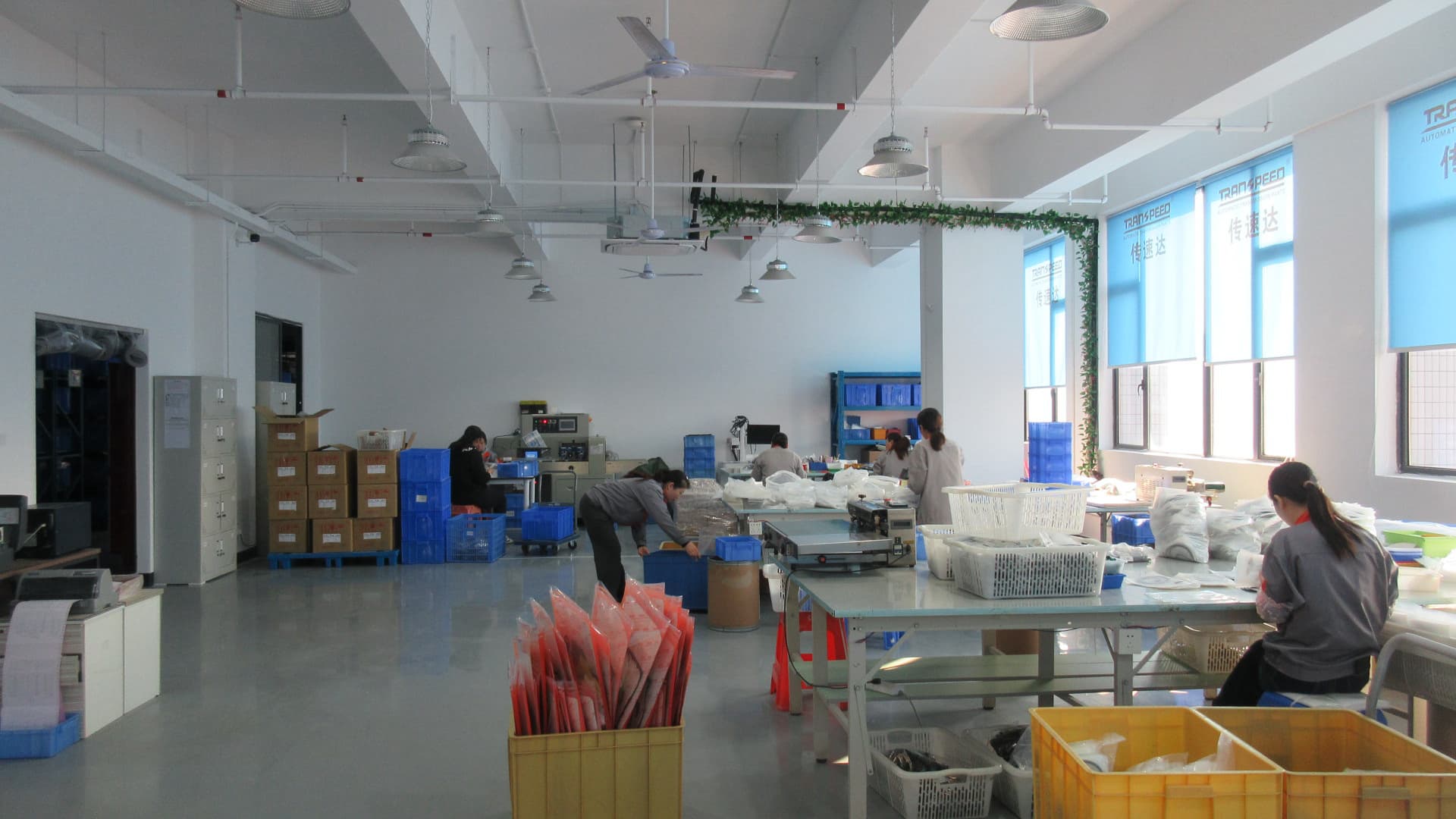
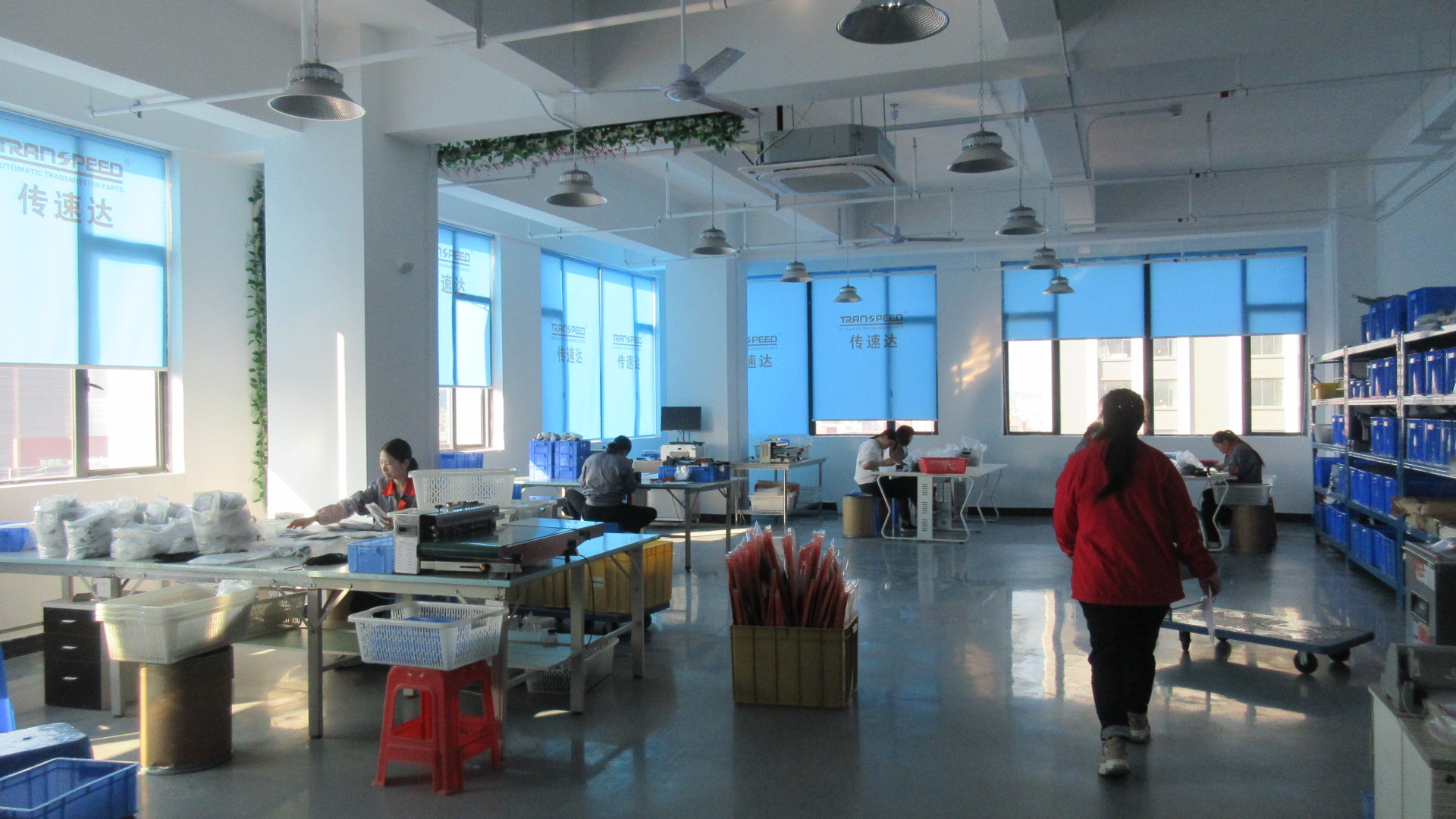
High-precision automated assembly integrates pressure springs, dampening components, and friction discs into a balanced structural unit.
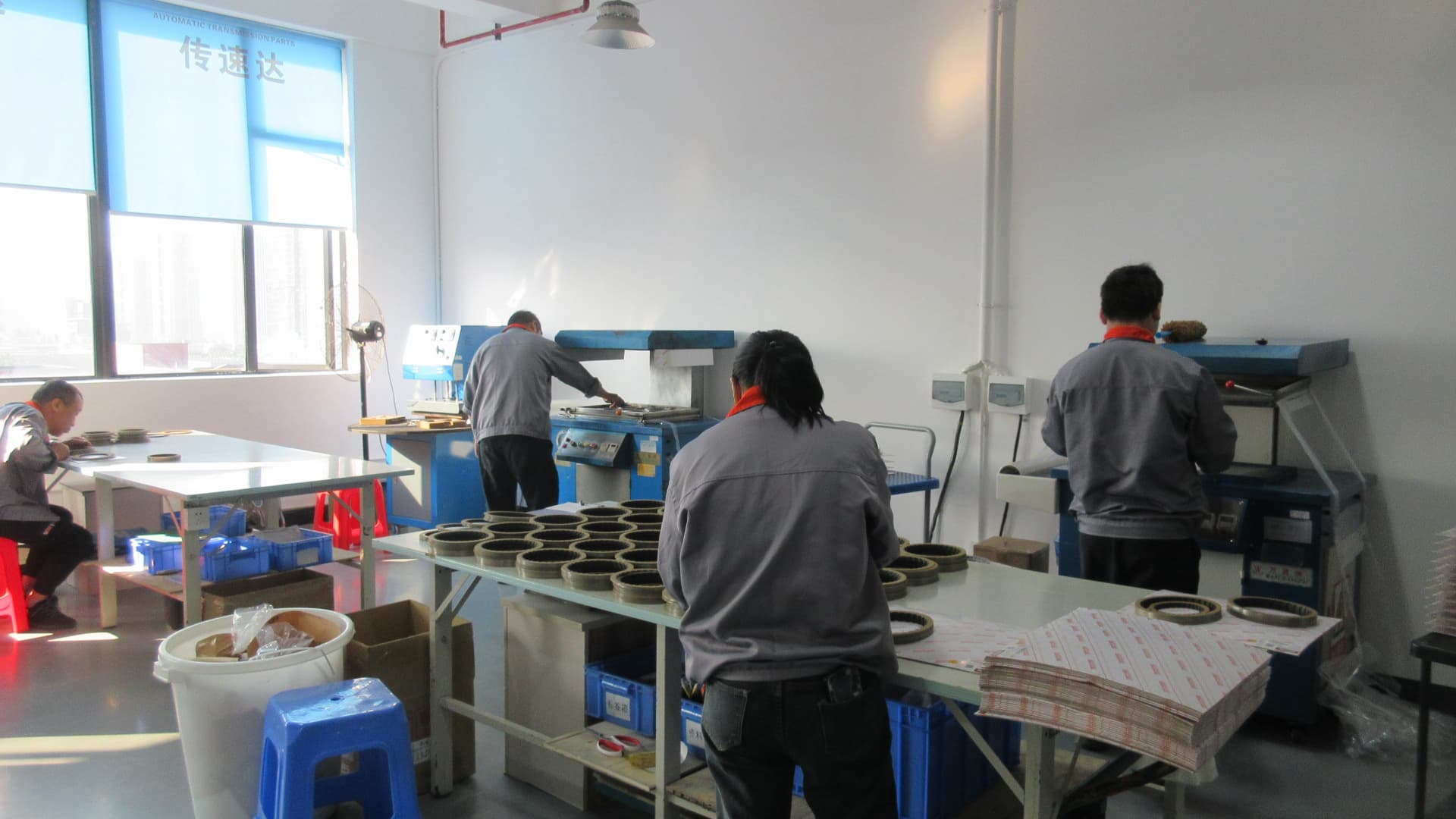
100% manual and sensor-based checking of the final lining thickness and dynamic friction coefficients prior to export sealing.
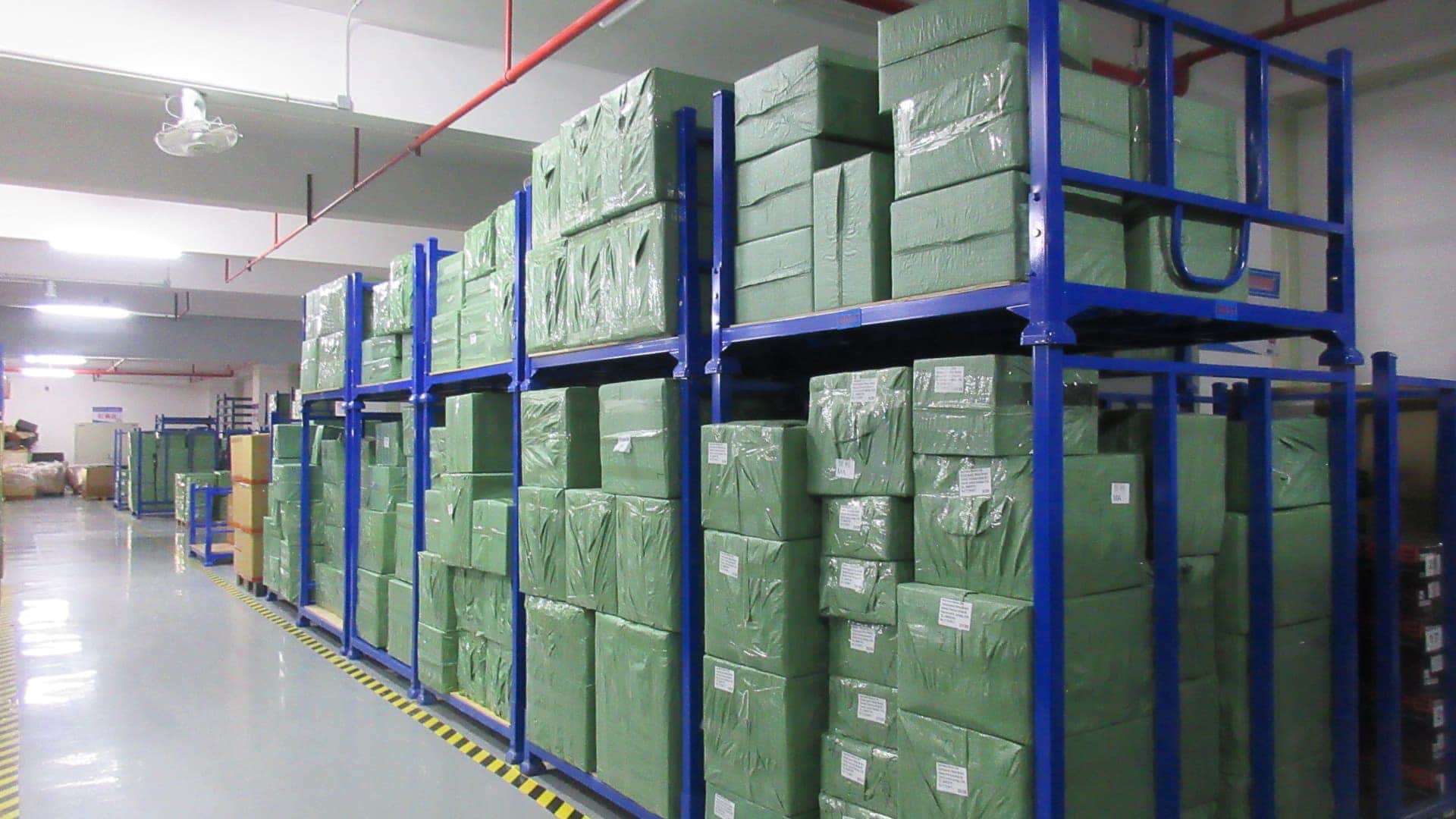
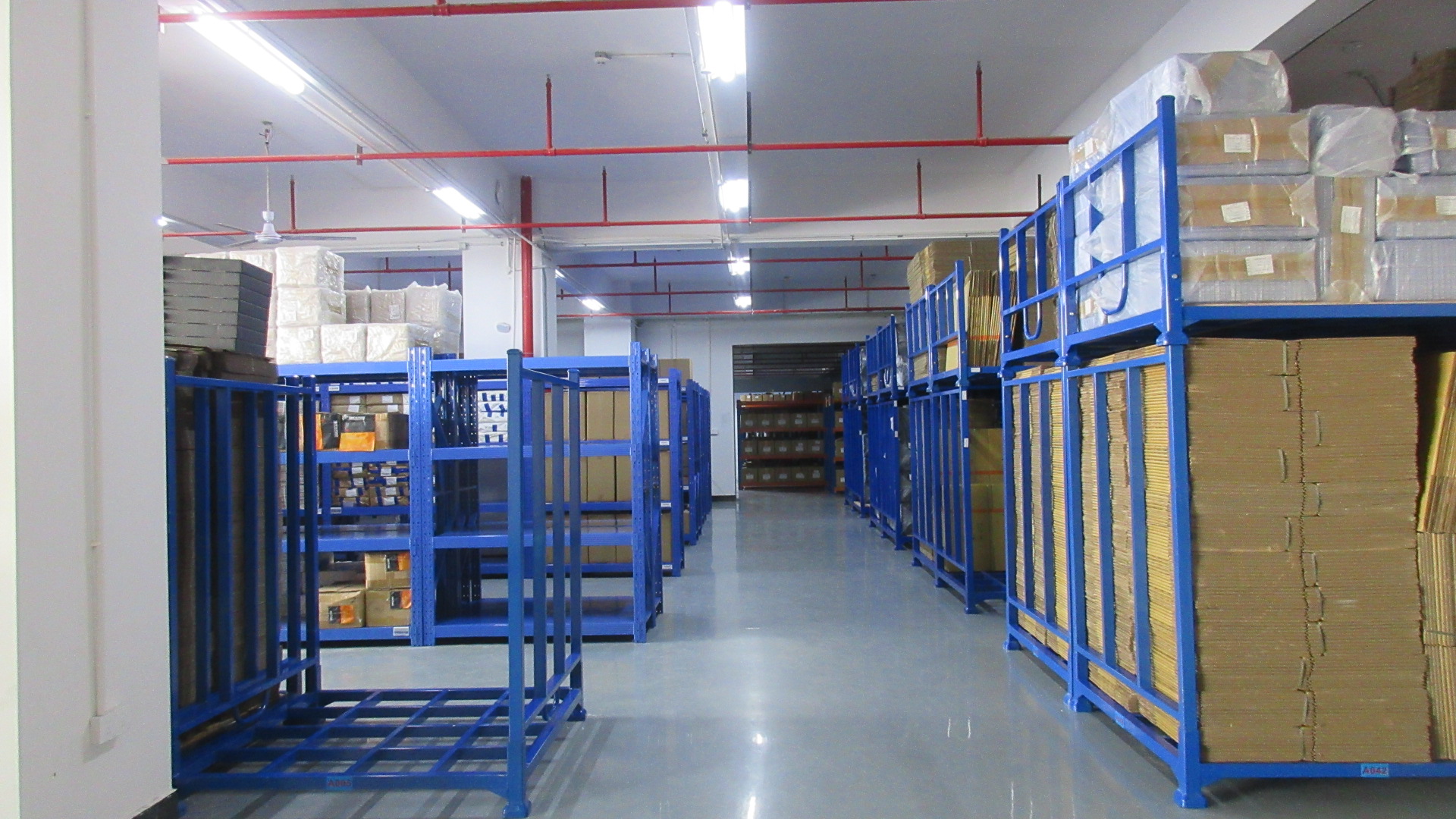
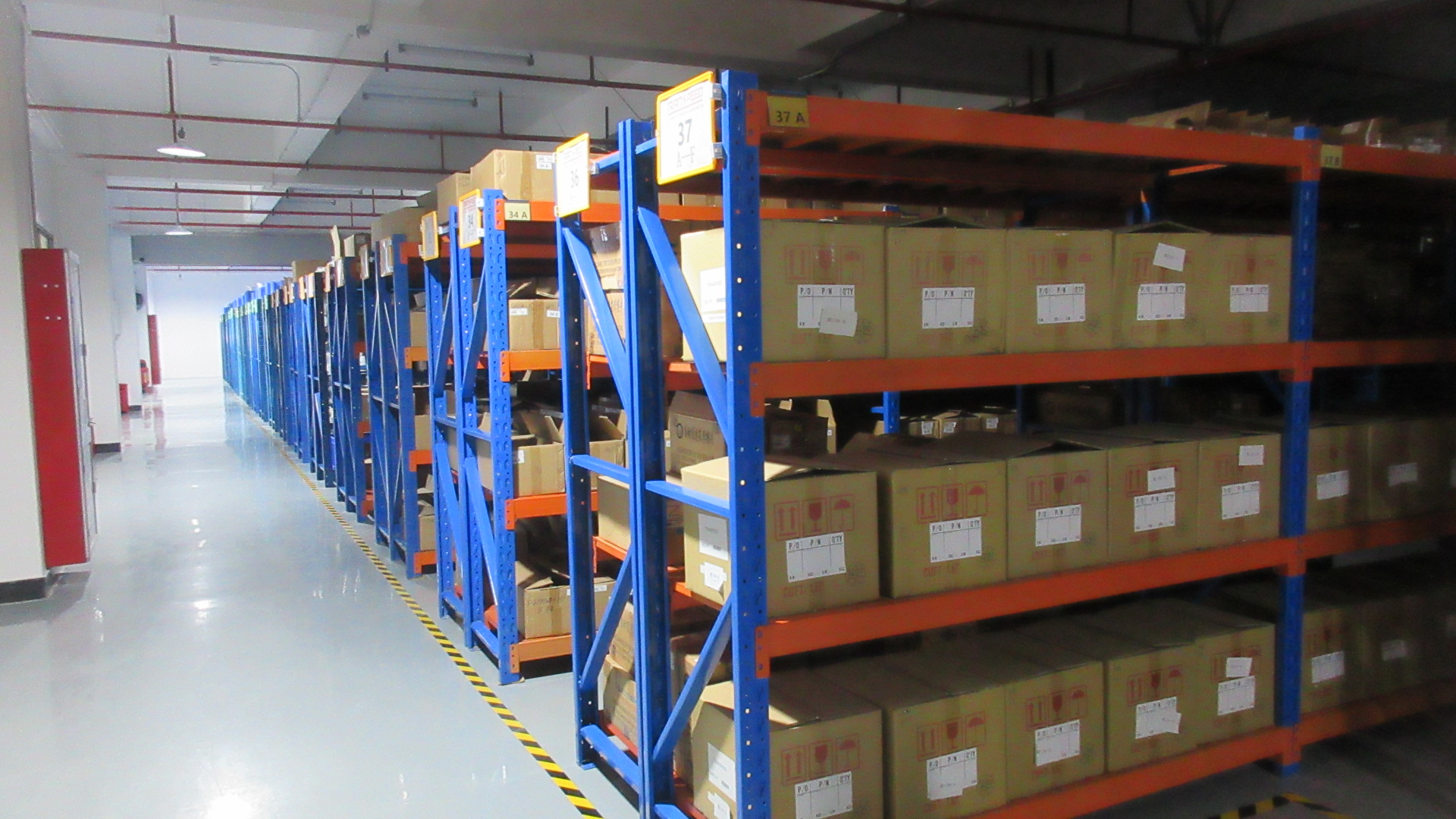
Standardized storing of global clutch models, allowing swift dispatching to target shipping lines destined for Tarawa Port.
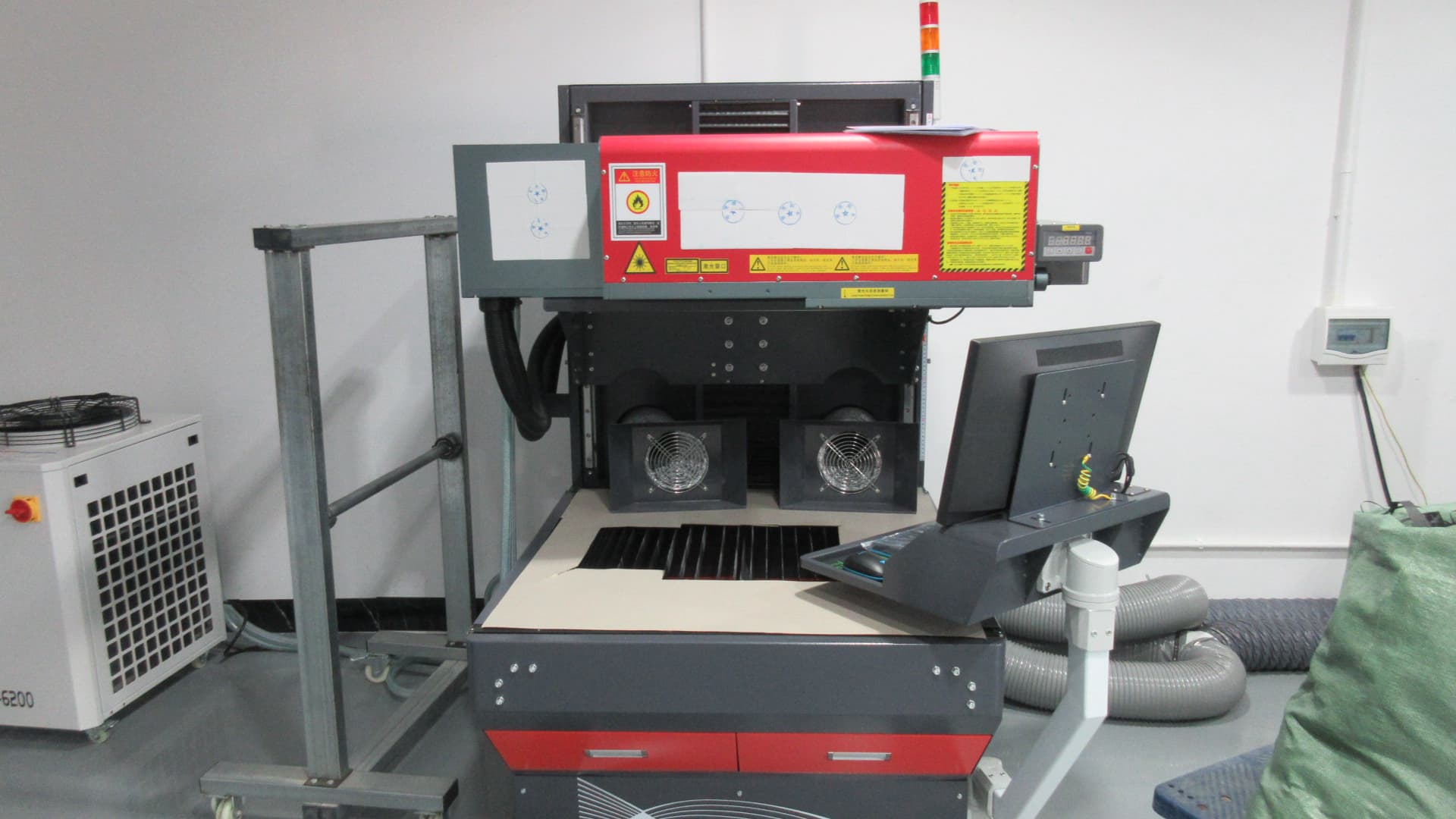
Equipped with high-capacity hydraulic stamping equipment from 30T to 2000T to yield extreme consolidation density of friction elements.
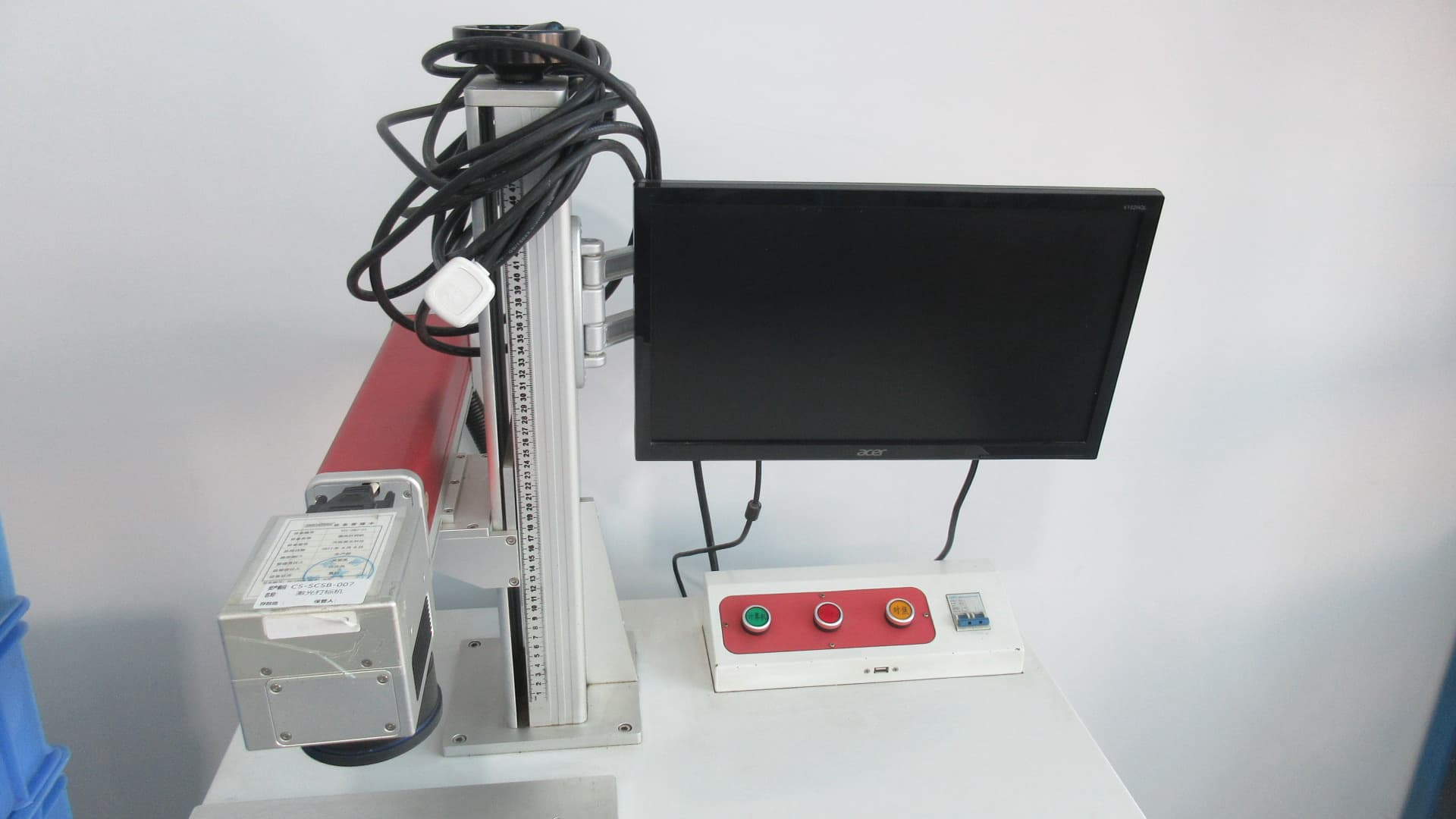
Permanent serial tracking number and batch marking for OEM traceablity, preventing counterfeiting in distant overseas markets.
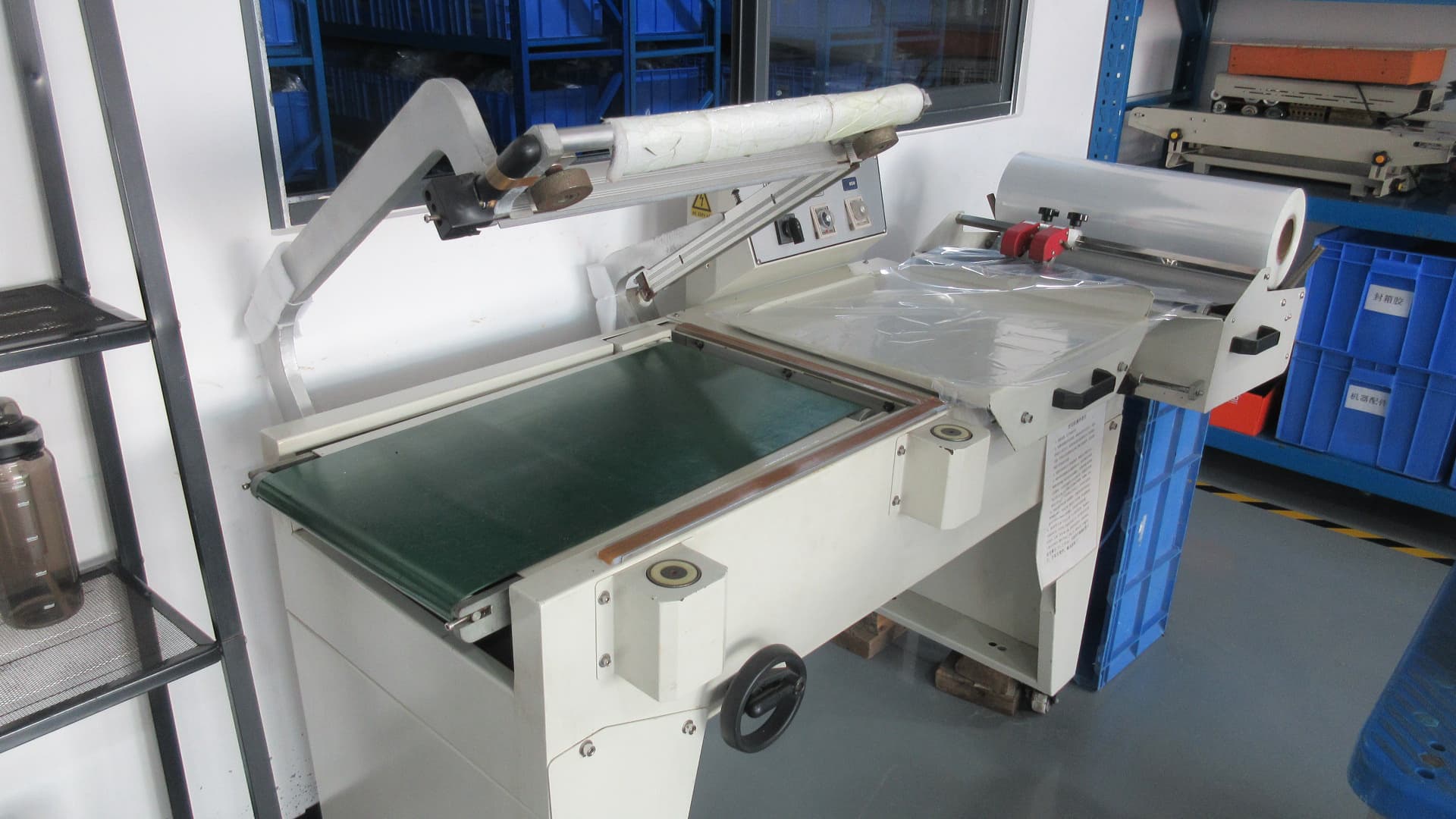
Hermetically sealed packaging shields friction surfaces from atmospheric salinity during prolonged maritime sea routes to Micronesia.
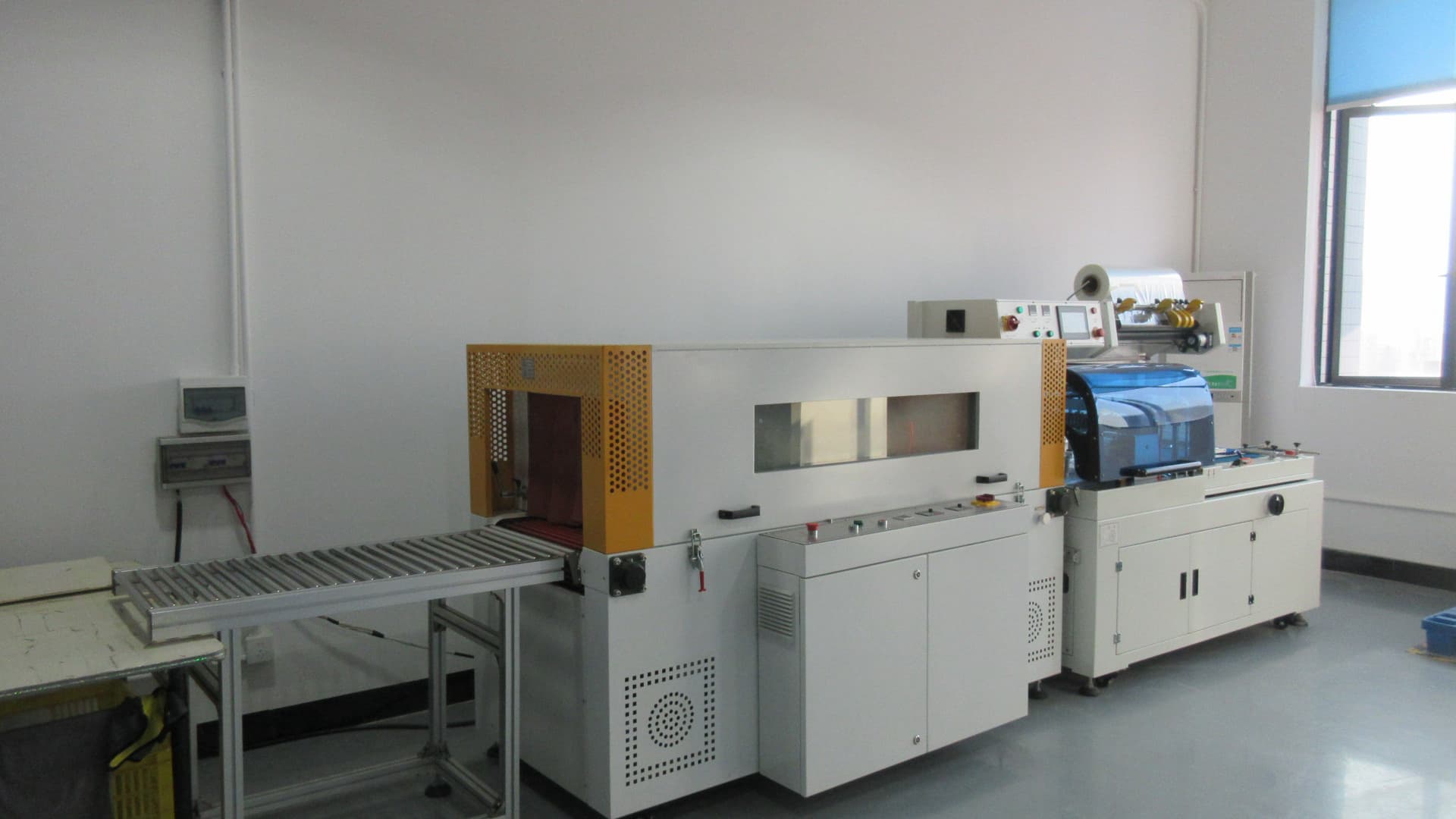
Final protective custom boxing prevents physical impact damage during high-frequency handling on port dockside yards.
Coastal and maritime utility vehicles operating in Tarawa, Betio, and surrounding outer islands face constant exposure to saltwater spray and high levels of atmospheric humidity. Standard friction linings are prone to rusting on their metal backing plates, which weakens the bond between the backing and the friction material. This structural failure causes the friction material to separate under shear stress, resulting in sudden clutch failure.
To prevent this, TVC Auto treats all backing surfaces with a specialized anti-corrosion primer. We use a high-temperature bonding adhesive that resists moisture absorption, maintaining structural integrity across a wide range of operating temperatures. This process ensures that the lining is securely attached to the clutch plate, preventing premature failure due to rust and delamination.
Heavy vehicles operating on sandy roads and in port facilities require consistent torque transfer. Standard organic friction linings often experience thermal fade when exposed to high operating temperatures. This reduction in the coefficient of friction causes the clutch to slip, which accelerates wear and increases fuel consumption.
By incorporating copper wires and brass fibers into our high-copper composite linings, we significantly improve the material's thermal conductivity. This design allows heat to dissipate quickly from the friction surface to the pressure plate, maintaining a stable coefficient of friction (between 0.38 and 0.42) even under high thermal loads. This stability reduces clutch slip and ensures reliable torque transmission during heavy-duty operations.
Kiribati's unique ecosystem, which includes fragile coral atolls and surrounding marine habitats, requires a strong focus on environmental protection. Asbestos-based friction linings release harmful fibers during wear, posing a threat to both public health and marine environments when washed into coastal waters.
All TVC Auto clutch linings are manufactured with 100% non-asbestos materials. We use advanced synthetic and organic fibers, high-purity graphite, and specialized resins to formulate environmentally friendly friction composites. These materials offer high wear resistance and a stable coefficient of friction, while ensuring that the dust generated during operation does not release harmful toxins into the local ecosystem.
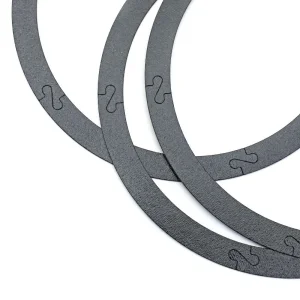
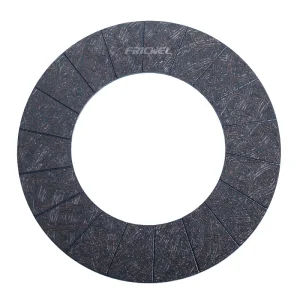
Browse our wide selection of certified clutch components, custom-packaged for long-distance transport to Tarawa.
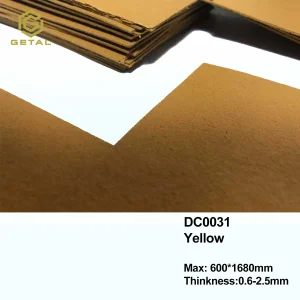
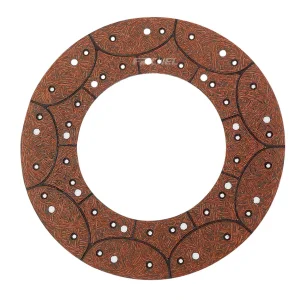
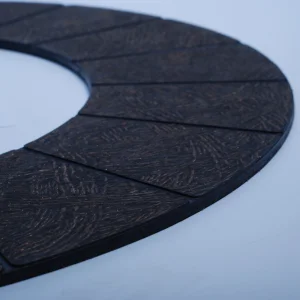
Technical answers regarding materials, custom ordering, packaging, and logistical support for buyers in Kiribati.
Minimize mechanical downtime and improve the wear life of your fleet with high-durability friction materials designed for marine and tropical conditions.
Send Inquiry Now TVC Auto