The performance of a gearbox is crucial in any mechanical system. It directly influences the efficiency and functionality of machinery. One key component often overlooked is the pilot bearing. This small but significant part plays a vital role in supporting the input shaft. Many do not realize what is the impact of a worn pilot bearing on the gearbox.
When the pilot bearing wears out, it can lead to misalignment in the gearbox. This misalignment can cause increased friction and heat. As a result, gear shifting may become difficult, leading to performance issues. Many mechanics have observed these problems over time. They emphasize the importance of regular checks on this bearing to avoid costly repairs.
The symptoms of a worn pilot bearing are often subtle at first. Drivers might notice slight vibrations or unusual noises. Ignoring these signs can lead to bigger issues, such as complete gearbox failure. Therefore, understanding the state of your pilot bearing is essential for maintenance. Regular inspections can prevent further damage and prolong the gearbox's lifespan.
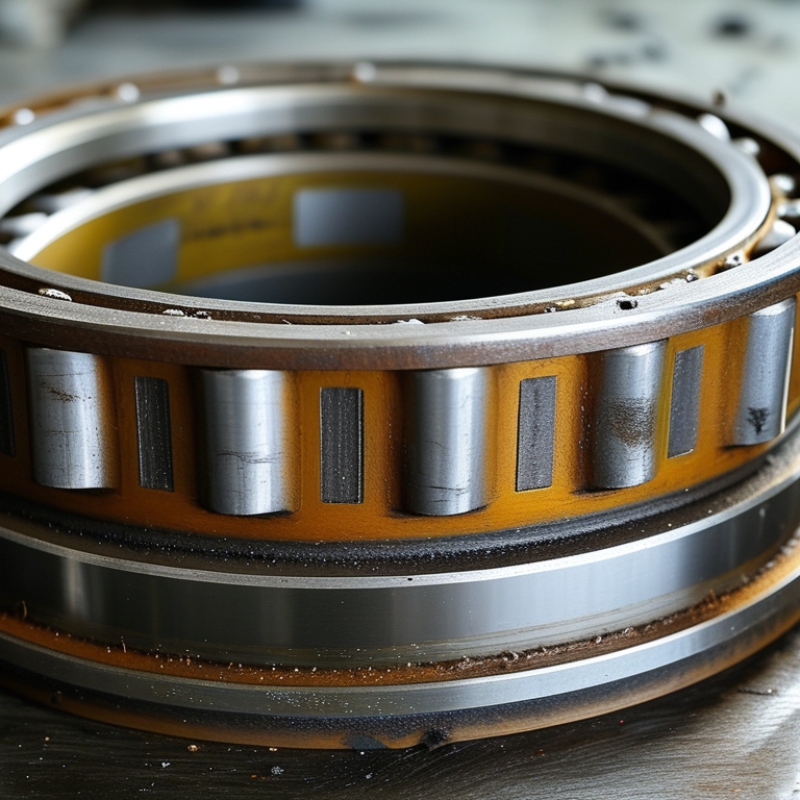
Pilot bearings play a crucial role in the overall functionality of gearboxes. They ensure proper alignment between the input and output shafts. A worn pilot bearing can lead to misalignment, which negatively impacts gear engagement. This misalignment may cause excessive vibration and noise during operation. Studies show that about 30% of gearbox failures relate to bearing issues.
The effects of a failing pilot bearing extend beyond noise and vibration. They can lead to increased wear on gears and other components. This can ultimately shorten the lifespan of the gearbox. In some cases, inspections reveal that degraded pilot bearings contribute to over 40% of gearbox inefficiencies. These inefficiencies can result in higher operational costs and reduced performance. Maintaining pilot bearings is not just about reliability; it's about optimizing the entire system.
Understanding these impacts is essential for maintaining gearbox performance. Regularly scheduled inspections can help identify potential issues early on. Ignoring the signs of wear may lead to more severe damage and costly repairs. A proactive approach combined with routine maintenance can significantly enhance gearbox longevity and functionality.
Wear in pilot bearings can significantly affect gearbox performance. Common causes of this wear include poor lubrication, contamination, and misalignment. A study published by the Society of Automotive Engineers noted that improper lubrication can reduce bearing life by up to 50%. Inadequate lubrication leads to increased friction and overheating, causing accelerated wear.
Contaminants entering the bearing can also create issues. Dust, metal shavings, and moisture degrade the lubricant's effectiveness. Research from the American Society of Mechanical Engineers indicates that 70% of bearing failures are due to contamination. This emphasizes the need for regular maintenance and inspection to prevent yield losses.
Misalignment is another critical factor impacting pilot bearing life. Misaligned shafts can subject bearings to undue stress. A report from the Institute of Mechanical Engineers found that misalignment can decrease bearing efficiency by up to 25%. Addressing these issues in a timely manner may help improve gearbox reliability and extend operational life.
Worn pilot bearings in gearbox systems can lead to significant performance issues. These small but critical components, positioned in the center of the gearbox, ensure smooth shaft alignment. When they wear down, symptoms quickly arise. You might notice increased noise during operation. Grinding or whining sounds signal trouble. These noises often indicate insufficient lubrication or misalignment.
Another common symptom is vibration. Excessive shaking is not normal. It can affect the entire gearbox and lead to further damage. If you feel unusual vibrations, it's a red flag. Additionally, shifting gears might become difficult. If it feels like you’re forcing the gear lever, that's a sign of pilot bearing wear. Gear engagement should be smooth; any resistance suggests potential issues.
Frequent inspection is essential. Yet, many overlook this routine maintenance. Ignoring minor signs can turn into major repairs. A proactive approach can save time and money. Watch for these symptoms closely. Addressing them early ensures better gearbox performance and longevity.
Pilot bearings play a crucial role in the functionality of a gearbox. When worn, these components can cause significant efficiency losses. The pilot bearing's primary function is to align the main shaft with the gearbox housing. If it deteriorates, misalignment occurs. This misalignment can lead to increased friction and wear in the gearbox.
Worn pilot bearings lead to noisy operation and reduced power transfer. They may cause vibrations that can stress other components. You might notice abnormal sounds or decreased responsiveness while driving. These signs often indicate the need for inspection or replacement. Ignoring them may worsen the situation, leading to costly repairs.
Tips: Regular maintenance is essential. Check pilot bearings during scheduled service intervals. Look for signs of wear or unusual noises early on. Address issues promptly to maintain gearbox performance. A proactive approach can save time and money. Remember, a small problem can escalate quickly if overlooked.
| Parameter | Description | Impact of Wear | Effect on Performance |
|---|---|---|---|
| Vibration Levels | Measure of oscillation in gearbox | Increased due to misalignment | Decreased lifespan of gears, increased noise |
| Torque Transmission | Ability to transfer power | Reduced efficiency | Lower output power, decreased efficiency |
| Heat Generation | Amount of heat produced | Higher due to friction | Risk of component failure |
| Lubrication Needs | Requirements for effective lubrication | Increased with wear | Higher maintenance costs |
| Wear Rate | Measurement of how quickly parts wear | Accelerated under load | Increased repair frequency |
Worn pilot bearings can severely affect gearbox performance. They are critical components that help reduce friction during operation. If they are damaged, vibration and noise increase significantly. This can lead to more serious problems over time. Regular maintenance is essential for optimal performance.
To keep pilot bearings in good condition, regular inspections are crucial. Check for signs of wear, such as discoloration or roughness. If you notice anything unusual, replace them immediately. Using proper lubrication can also extend their lifespan. An appropriate grease helps reduce friction and dissipate heat.
Tips: Always document maintenance tasks. This helps track the lifespan of components. Consider using a maintenance schedule that suits your operation’s needs. Engage a professional for thorough inspections. They can spot issues before they escalate.
: You may hear increased noise during operation, like grinding or whining sounds.
It leads to misalignment, increased friction, and reduced efficiency in the gearbox.
Excessive shaking during operation is abnormal and indicates potential issues.
Difficulty in shifting can signal wear in the pilot bearing, causing resistance.
Regular inspection during service intervals is essential to catch signs early.
Overlooking small issues can result in costly repairs later on.
Yes, insufficient lubrication may contribute to noise and wear.
Yes, vibrations from worn bearings can stress additional gearbox components.
Address issues early and watch for unusual noises or vibrations.
Sometimes, they go unnoticed until they escalate into major repairs.
The article delves into the critical role pilot bearings play in the functionality of gearboxes, outlining how wear and tear can adversely affect performance. It begins by explaining the importance of pilot bearings, followed by an exploration of common causes leading to their degradation. Key signs and symptoms of worn pilot bearings are identified, which can manifest as unusual noises or poor gearbox performance. The impact of a worn pilot bearing on the gearbox is significant; efficiency and operational reliability can decline, potentially leading to more severe mechanical failures. The article underscores the necessity of preventive measures and regular maintenance practices to ensure the longevity and proper functioning of pilot bearings in gearbox systems. Understanding these factors is essential for preventing performance issues and extending gearbox life.

TVC Auto