A hydraulic clutch system is crucial for modern vehicles, ensuring smooth gear transitions. Yet, many drivers underestimate the importance of maintaining this system. Research shows that improper hydraulic systems can lead to substantial vehicle performance issues. According to industry reports, nearly 30% of drivers face clutch problems due to neglect, highlighting the need for basic maintenance skills. Knowing how to bleed a hydraulic clutch system at home can save time and money.
Understanding the process is vital for any vehicle owner. The procedure involves releasing air trapped in the system, which ensures optimal performance. Without regular bleeding, air bubbles can hinder clutch engagement and lead to potential failure. A simple task, it can become daunting without prior knowledge. Many vehicle owners are unaware of this, leading to reliance on costly mechanic visits.
Moreover, learning this skill can empower drivers. It fosters independence and boosts confidence in vehicle maintenance. Simple guides and resources are available online for those willing to invest time in learning. Still, mistakes can happen, and practice is essential. Embracing this knowledge not only enhances vehicle longevity but also cultivates a deeper connection with one’s car.
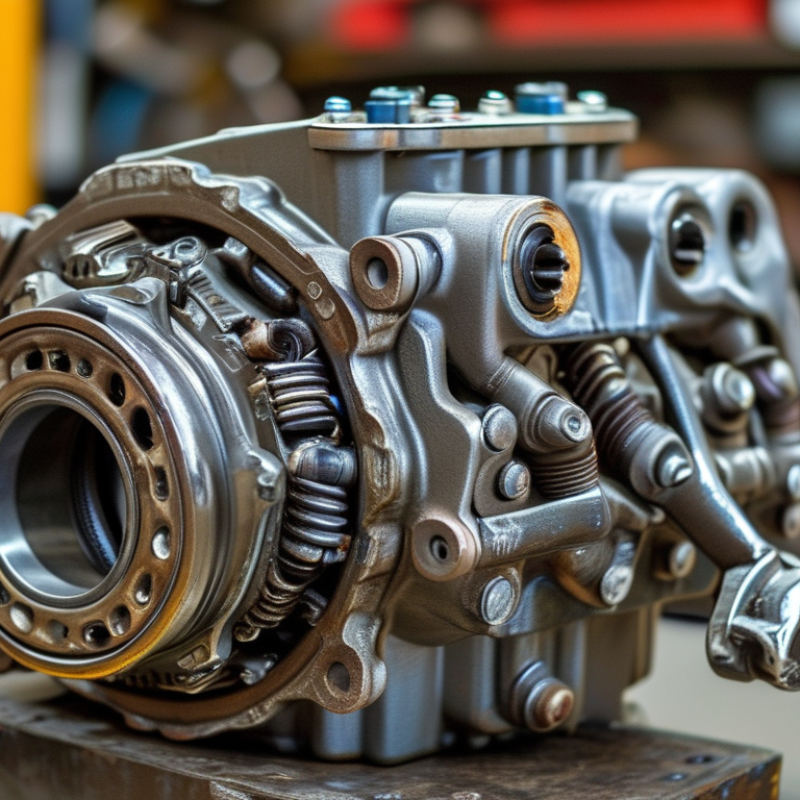
Understanding hydraulic clutch systems is vital for any vehicle owner or enthusiast. These systems play a crucial role in the overall operation of manual transmissions. Reports indicate that proper maintenance can increase the lifespan of clutch components by up to 30%. Neglecting to bleed a hydraulic clutch can lead to fluid contamination and air trapping, causing sluggish or unresponsive shifting.
Tip: Regularly check the fluid level in your clutch reservoir. Low levels can indicate a leak, which needs immediate attention. Additionally, inspect the hydraulic lines for signs of wear or damage.
As vehicles become more complex, knowledge of hydraulic systems grows increasingly essential. Understanding how to bleed a hydraulic clutch ensures smooth operation and can save costly repairs down the line. A study from the Automotive Maintenance Association highlights that up to 45% of manual transmission failures could have been prevented with proper hydraulic system care. Many drivers overlook this simple process, which can prevent air from entering the system.
Tip: Always use the manufacturer-recommended fluid type. Using incorrect fluids can lead to performance issues and even system failure.
| Aspect | Description | Importance |
|---|---|---|
| Hydraulic Clutch Function | A hydraulic clutch uses fluid to transfer force, enabling smooth gear shifts. | Understanding this helps maintain optimal performance and responsiveness. |
| Bleeding Process | Removing air bubbles from the hydraulic line to ensure proper clutch action. | Preventing air in the system is crucial for reliable clutch engagement. |
| Signs of Air in System | Soft or unresponsive clutch pedal, difficulty shifting gears. | Recognizing these signs allows for timely maintenance. |
| Maintenance Frequency | Typically every 30,000 to 50,000 miles or as needed. | Regular checks prevent costly repairs and ensure reliability. |
| Fluid Type | Use manufacturer-recommended hydraulic fluid for optimal performance. | Using the wrong fluid can lead to system failure or damage. |
: Air contamination can lead to up to 15% performance loss. This happens when air enters the fluid.
A spongy pedal often indicates air bubbles in the fluid. You may also have issues shifting gears.
Research shows that about 60% of hydraulic clutch failures stem from air in the system. This statistic is alarming.
Bleeding removes trapped air. It restores the clutch's proper function and improves performance.
You’ll need a clear plastic tube, a catch container, and brake fluid. DOT fluid is often used.
Small leaks can introduce air back into the system. This can negate the benefits of bleeding your clutch.
Regular maintenance, like bleeding, keeps your system in top shape. It can reduce the chances of unexpected breakdowns.
Improper bleeding can trap air in the system. This could worsen the existing issues instead of resolving them.
Monitoring fluid levels helps prevent air entry during the process. It also ensures the system functions optimally.
Contaminants can accumulate in the system, making the clutch less responsive. Regular checks can help avoid this problem.
Understanding hydraulic clutch systems is crucial for any vehicle owner, especially when it comes to maintaining optimal performance. Air trapped in these systems can lead to common issues like poor clutch engagement or disengagement. Therefore, knowing how to bleed a hydraulic clutch system at home is an essential skill.
The process involves a few key steps: preparing the necessary tools and materials, checking fluid levels, and systematically removing air from the system. Regular maintenance and understanding of these procedures not only enhance the lifespan of your clutch but also ensure safe driving conditions. With proper guidance and knowledge, tackling clutch bleeding can become a straightforward task, empowering you to handle common hydraulic clutch issues efficiently.

 TVC Auto