Why Does My Car Smell Like Burning Toast After Shifting?

Time:2026-11-03 Author:Sophia
0%

A sharp, warm smell can appear just after a gear change, like toast left too long in a toaster. If you’re asking, “why does the car smell like burning toast after shifting,” the timing offers a clue, but it does not identify the fault by itself. A slipping clutch in a manual car may create a hot, acrid odor, especially after hill starts or stop-and-go traffic. In an automatic, overheated transmission fluid can smell burnt, though the odor is not always exactly like toast. Oil or plastic contacting hot engine parts, and damaged electrical insulation, can also produce similar smells.

Notice what happens when the odor appears. Does it follow a hard shift, a long climb, or heavy braking? Check for warning lights, smoke, unusual slipping, or delayed acceleration—but don’t crawl beneath a hot vehicle or touch hot components. Small details matter. A smell that fades quickly may still deserve attention. I can’t diagnose it from scent alone, and drivers sometimes mistake one burnt odor for another. That uncertainty is real.

If the smell returns, arrange an inspection with a qualified mechanic soon. Mention the gear change, driving conditions, and any changes in performance. Stop in a safe place and turn off the engine if you see smoke, notice a strong electrical odor, or feel the car losing power. A prompt check can help prevent a minor leak, clutch problem, or wiring issue from becoming a more costly repair.
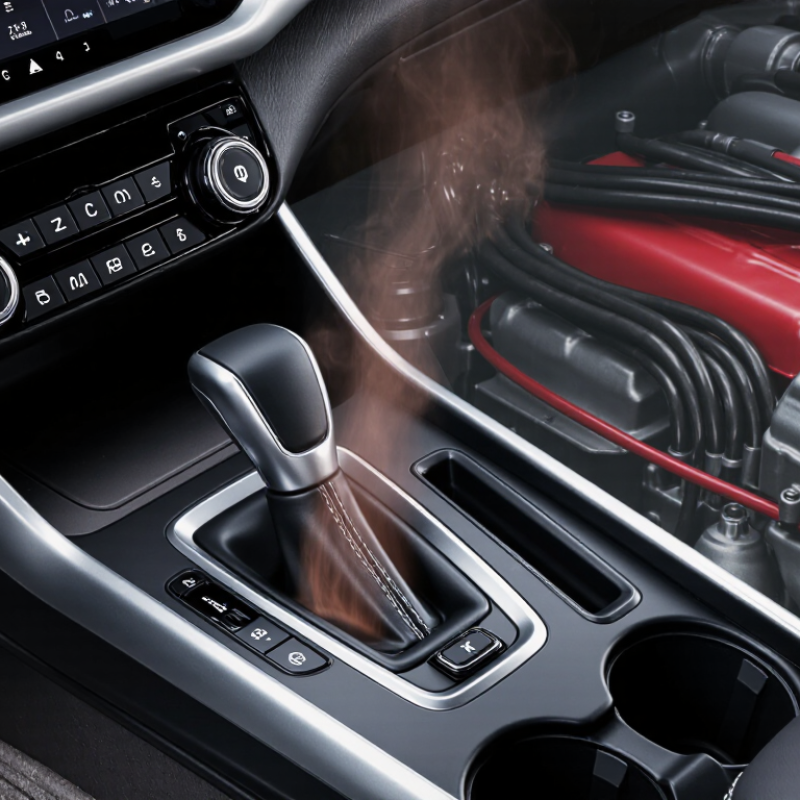
Why Does My Car Smell Like Burning Toast After Shifting?

What a Burning-Toast Smell After Shifting May Indicate

A burning-toast odor after shifting can come from overheated clutch friction material, slipping transmission components, or electrical insulation warming near the drivetrain. The timing matters: a manual car may smell acrid after repeated slow hill starts, while an automatic may produce an odor alongside delayed engagement or slipping. Look for fresh fluid beneath the car, smoke near the engine bay, or a warning light. Smell alone cannot identify the fault.

Do not guess. If the odor returns, avoid hard acceleration and arrange an inspection; describe exactly when it appears and which gear changes trigger it. A technician can check fluid leaks, clutch operation, wiring, and heat-damaged parts. Stop in a safe place if smoke appears, and switch off the engine.

NFPA’s Vehicle Fires in the United States, 2018–2022 report estimates about 215,000 highway-vehicle fires annually. That figure does not mean a toast-like smell predicts a fire, but it supports treating smoke and persistent burning odors seriously.

I would not dismiss a smell just because the car still shifts.

How Clutch Wear Can Create a Toast-Like Odor

A burning-toast odor after shifting can point to an overheated clutch, especially in a manual car. The clutch connects the engine to the transmission; when its friction material slips instead of gripping firmly, heat builds quickly. That heat can create a dry, toasted smell, sometimes strongest near the driver’s side after a hill start or slow traffic. Not a diagnosis by itself.

Clutch wear is more likely if the engine revs rise but the car barely gains speed, or the bite point feels unusually high. You may also notice shuddering, difficulty moving off, or a smell that returns after each drive. Don’t keep slipping the clutch to test it. Even a brief, repeated smell can mean extra wear, though oil or electrical components can produce similar odors. That part is easy to misread.

When the odor appears, park safely and let the car cool. If it persists, or you notice smoke, poor acceleration, or trouble selecting gears, arrange an inspection with a qualified mechanic. They can check clutch operation and look for leaks or other heat-damaged parts before replacing anything. A toasted smell is a clue, not proof.

How Transmission Fluid and Other Components May Overheat

Why Does My Car Smell Like Burning Toast After Shifting?

A burnt, slightly sweet smell after shifting can point to overheated transmission fluid. The fluid may be low, old, or leaking onto hot parts. A slipping transmission can also create excess heat, especially if the engine revs but the car struggles to accelerate. The smell is a clue, not a diagnosis. I would not assume the transmission is the only cause; hot brakes, a slipping clutch, or damaged wiring can produce similar odors.

Tips: Pull over somewhere safe if the smell is strong, smoke appears, or shifting suddenly changes. Turn off the engine and let the car cool. Don’t touch hot components or crawl beneath a roadside vehicle. Check the owner’s manual before checking fluid, since some transmissions require a specific temperature and procedure. Never open a hot cooling-system cap.

Notice when the odor starts and whether warning lights, leaks, or unusual noises appear. A reddish or brown fluid spot beneath the car is worth mentioning to a mechanic, though fluid color alone cannot confirm the problem. If the smell returns after cooling, or the car slips between gears, arrange an inspection promptly. Continuing to drive may worsen damage. Even a brief trip can make things worse.

How to Trace the Smell to Its Source

Why Does My Car Smell Like Burning Toast After Shifting?
How to Trace the Smell to Its Source

A toasted, sharp smell after a gear change can come from several places; timing alone does not identify the fault. In a manual car, a slipping clutch may create a hot, acrid odor, especially after hills or repeated slow starts. In any car, leaking transmission fluid or oil can reach hot exhaust parts and smell burnt. Electrical insulation may smell similar. A smell is easy to misread.

Tips: Note whether it happens during upshifts, reversing, or only in traffic. Park safely, switch off, and look for smoke or fresh fluid beneath the car without touching hot parts. Don’t crawl underneath. Check warning lights and whether shifting feels delayed, jerky, or unusually soft. Never open a hot fluid reservoir; follow the vehicle manual for any level check.

If the odor returns, arrange an inspection and describe when it appears, how long it lasts, and where it seems strongest. A technician can check the clutch, transmission, wiring, and nearby exhaust for leaks or heat damage. If smoke appears, gears stop engaging, or the smell becomes intense, stop driving and arrange recovery. Odor descriptions are subjective, so specific clues matter.

When to Stop Driving and Seek a Mechanic’s Help

Why Does My Car Smell Like Burning Toast After Shifting?

A burning-toast smell after a gear change is a warning, not a diagnosis. In a manual car, a slipping clutch can overheat. In an automatic, overheated transmission fluid or wiring may create a similar odor. Smell alone cannot identify the fault.

Pull over safely and switch off the engine if the odor grows stronger, smoke appears, gears slip, or the engine revs without accelerating. Don’t keep driving to test it. If flames or heavy smoke appear, get everyone out and call emergency services; don’t open the hood. The NFPA estimates that U.S. fire departments responded to about 117,400 highway vehicle fires annually during 2018–2022, causing roughly 200 civilian deaths and 1,000 injuries each year. These figures cover vehicle fires generally, not burning smells specifically, but they show why smoke needs urgent attention. Arrange a tow and mechanic inspection if the smell persists, returns, or comes with a fluid leak.

Tips: Note when the odor occurs, such as after shifting, climbing a hill, or braking. Record warning lights or visible leaks. Let the car cool, and never touch hot fluid or wiring.

FAQS

What can a burning-toast smell after shifting mean?

It may come from an overheated clutch, slipping transmission parts, or warming electrical insulation. Smell alone isn’t enough.

Why might a manual car smell after changing gears?

Repeated slow starts on a hill can overheat clutch friction material. A slipping clutch may also cause the engine to rev without speeding up.

Can an automatic car produce the same odor?

Yes. Overheated transmission fluid or nearby wiring may create a similar smell. Delayed engagement or slipping adds concern.

Should I keep driving to see if the smell returns?

Don’t test it with hard acceleration. If the odor persists or returns, arrange an inspection; a short trip may not reveal the cause.

When should I stop driving immediately?

Pull over safely and switch off the engine if smoke appears, gears slip, or the odor grows stronger. Don’t keep driving to test it.

What should I do if there is heavy smoke or a fire?

Get everyone out and call emergency services. Don’t open the hood. Safety first.

What details should I tell a mechanic?

Note when the odor appears, such as after a gear change, hill climb, or braking. Mention warning lights, fresh fluid beneath the car, or visible smoke.

Can I identify the problem from the smell alone?

No. A mechanic can check for fluid leaks, clutch problems, wiring damage, and overheated parts. I might be overcautious, but I wouldn’t dismiss a recurring smell.

Conclusion

A burning-toast smell after shifting can be a warning that friction or heat is building up somewhere in the vehicle. If you drive a manual car, a worn or slipping clutch may overheat as it struggles to transfer power, creating a sharp odor similar to burnt bread. In other vehicles, overheated transmission fluid, a dragging brake, or another hot component may produce a comparable smell, so the odor alone cannot identify the cause.

To investigate, notice when the smell appears, whether it comes with slipping, unusual noises, warning lights, or changes in shifting, and whether it is strongest inside or outside the car. These clues can help a mechanic trace the source, but avoid touching hot parts or trying to diagnose a serious problem while driving. If the smell is strong, continues, or is accompanied by smoke, loss of power, or difficulty shifting, pull over somewhere safe and arrange professional help. Understanding why does the car smell like burning toast after shifting starts with treating the odor as a symptom, not a diagnosis.

Sophia

Sophia

Sophia is a dedicated marketing professional with an exceptional depth of knowledge about her company's products and services. With a keen understanding of market trends and customer needs, she crafts insightful blog posts that not only inform but also engage readers, enriching the company’s online......