When it comes to the puzzling issue of clutch slippage, particularly in high gears or while climbing hills, understanding the underlying causes is crucial. Renowned automotive expert, Dr. James Carver, states, "A clutch slipping in high gears signals a deeper mechanical problem." Many drivers wonder, "why does my clutch only slip in high gears or uphill?" This specific concern often arises from the excessive strain placed on the clutch system when faced with steeper inclines or demanding driving conditions.
As vehicles transition into higher gears, the clutch must engage more forcefully to handle increased torque. If the clutch is worn or subjected to improper adjustment, slippage becomes inevitable. It may even indicate other issues, such as a faulty hydraulic system or misaligned components. Drivers should not overlook this problem; the consequences can lead to significant repair costs.
Additionally, it’s essential to reflect on driving habits. Heavy acceleration or frequent downhill speeds can overheat the clutch, causing premature wear. Paying close attention to these factors is vital in maintaining a healthy clutch system. Regular inspections can prevent unexpected failures and ensure smoother performance. Understanding the full scope of “why does my clutch only slip in high gears or uphill” can empower drivers to take action before the situation worsens.
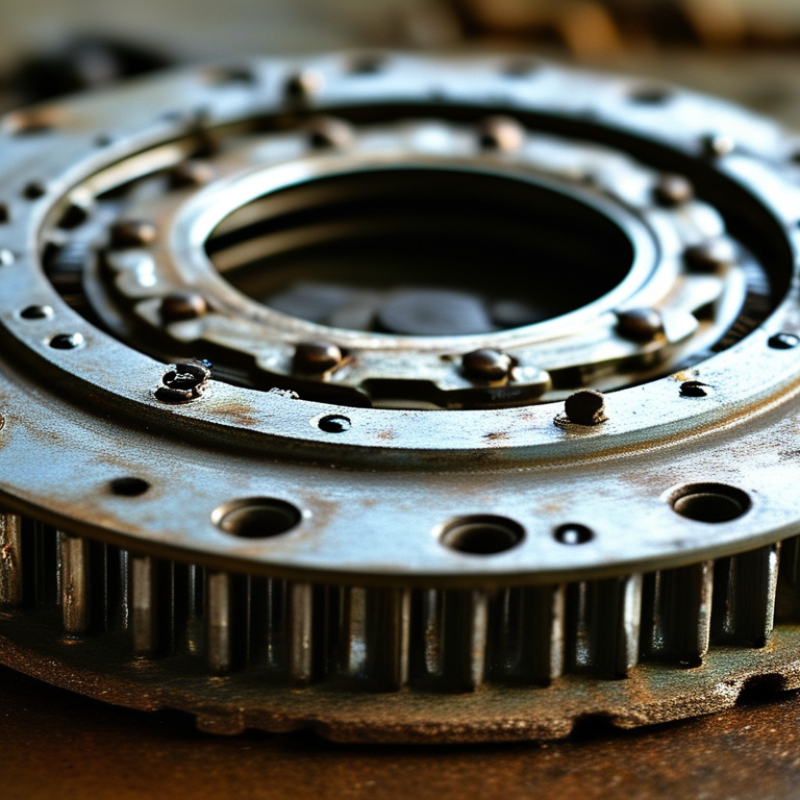
The clutch system is a crucial part of a vehicle's transmission. It allows power to transfer from the engine to the wheels smoothly. Key components include the clutch pedal, pressure plate, clutch disc, and flywheel. These elements work together to engage and disengage the engine from the drivetrain. When functioning correctly, the clutch feels responsive and robust.
Clutch slipping often occurs in high gears due to wear and tear. Proper maintenance can prevent this issue. Research indicates that a worn clutch disc can lead to a 30% reduction in performance. Frequent adjustments and checks are essential for the clutch system's longevity. Monitor your driving habits, as aggressive driving increases wear.
Tip: Regular inspection of the clutch fluid can help you catch problems early. It can prevent costly repairs later on. If you feel the clutch slipping, do not ignore the signs.
Another factor to consider is excessive heat. High temperatures can cause the clutch materials to degrade. This often leads to slipping in high gears. Adequate cooling systems are vital for preventing this issue. Implement driving strategies that reduce sudden acceleration to decrease heat generation.
Tip: Listen for unusual noises when shifting gears. They may indicate underlying problems that require attention. Don’t overlook these signals; addressing them early can save time and money.
| Reason | Description | Potential Fix |
|---|---|---|
| Worn Clutch Disc | Disc material has deteriorated over time, leading to slippage. | Replace the clutch disc. |
| Improper Adjustment | Clutch pedal may be improperly adjusted, affecting engagement. | Adjust the clutch pedal to manufacturer's specifications. |
| Oil Contamination | Oil leaks onto the clutch can cause it to slip. | Inspect and fix oil leaks; clean or replace clutch components. |
| Overheating | Excessive heat can cause clutch material to warp. | Improve driving habits; inspect and replace overheating components. |
| Faulty Pressure Plate | Weak or damaged pressure plate fails to apply adequate pressure. | Replace the pressure plate. |
| Incorrect Clutch Kit | Using the wrong kit may lead to incompatibility. | Ensure to install the correct clutch kit. |
| Driving Style | Aggressive driving can contribute to premature wear. | Adopt smoother shifting techniques. |
| Slipping Release Bearing | Failing release bearing can impair clutch operation. | Replace the release bearing. |
| Faulty Master/Slave Cylinder | Hydraulic issues can lead to inadequate clutch engagement. | Inspect and replace any faulty hydraulic components. |
| Clutch Cable Issues | Worn or stretched cables may prevent clutch from fully engaging. | Replace or adjust the clutch cable. |
: Clutch slippage is often caused by wear and tear over time. The clutch disc may lose its grip ability.
Excess heat can warp the clutch plates, leading to failure. This is a critical factor in clutch performance issues.
Improper clutch pedal adjustment can cause slippage. A pedal that is too loose or tight affects performance.
A worn release bearing may not disengage properly. This can also contribute to further clutch slippage problems.
Old or contaminated clutch fluid can impair functionality. Regular checks on fluid can help catch issues early.
Signs include difficulty in accelerating and strange noises. These may suggest a worn or misadjusted clutch.
If you notice excessive play in the clutch pedal or strange noises, it’s time to consult a specialist.
Regular maintenance keeps the clutch system in good condition. It can prevent higher costs from neglecting small issues.
Don’t wait too long; seek professional help. Early action can prevent more extensive damage to the clutch.
In "Top 10 Reasons Why Does My Clutch Slip in High Gears?", the article delves into the complexities of the clutch system, highlighting its key components and their functions. It emphasizes the importance of recognizing symptoms of clutch slippage, particularly the common concern of why does my clutch only slip in high gears or uphill. The article discusses various factors contributing to this issue, including wear and tear over time and the impact of driving habits on overall clutch performance and longevity.
Moreover, the article outlines essential diagnostic steps to take when clutch issues arise, underscoring the necessity to seek professional help if symptoms persist. By understanding these elements, drivers can better maintain their vehicles and ensure a smoother driving experience, especially in challenging conditions like high gears or inclines.

 TVC Auto