A contaminated clutch disc surface can turn a minor maintenance issue into difficult shifting, clutch slip, or harsh engagement. Oil, grease, coolant, dust, and cleaning residue may coat the friction lining. The surface can look shiny, uneven, or unusually dark. Sometimes, the warning is only a burnt smell after a short drive. What are the signs of a contaminated clutch disc surface? This guide explains five practical clues that help identify the problem before replacing unrelated parts.
A careful inspection should begin with the disc, pressure plate, and flywheel. Look for wet patches, radial streaks, glazed areas, and friction material that feels unusually smooth. A mechanic should also check rear main seals, transmission input seals, and nearby hydraulic leaks. Finding the source matters. Cleaning the disc alone may not solve anything. Do not rely on appearance only. A dry-looking disc can still have absorbed oil into its lining. Road testing may reveal slipping under acceleration, especially in a higher gear. Engagement may also feel inconsistent, with shudder during takeoff. Record the conditions, including engine temperature, load, and pedal position. These details support a more reliable diagnosis. Even experienced technicians can misread heat damage as contamination. That mistake happens. Compare the disc with service specifications and inspect related components before deciding. If the friction material is saturated, damaged, or repeatedly slipping, replacement is usually safer than surface cleaning. Proper tools, manufacturer guidance, and measured inspection create stronger conclusions than guesswork. That approach protects the repair quality and helps prevent the same contamination from returning.
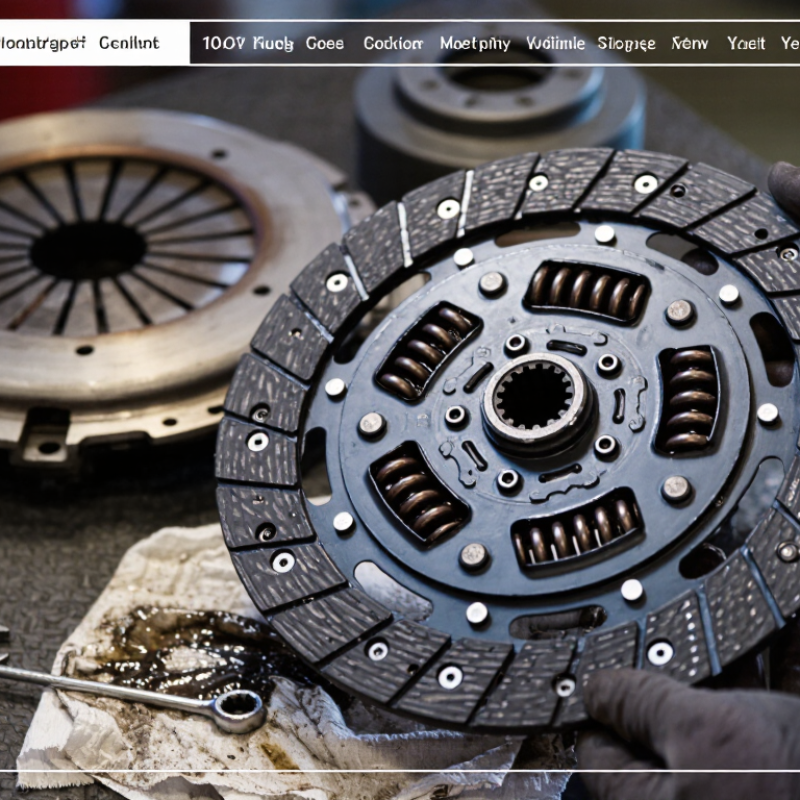
Oil or grease on a clutch disc can turn a small leak into a serious drivability problem.
A clean friction surface usually looks dry and evenly textured. Contamination creates glossy patches, dark streaks, or damp-looking edges. These marks may appear near the disc hub, where lubricant can travel from a leaking seal.
Watch how the vehicle behaves. Engine speed may rise without matching acceleration, especially during hill climbs. Engagement can also feel uneven, producing shudder when moving away.
A sharp oily or burnt smell is another warning sign. Do not rely on smell alone. Heat can change the odor, and road dust may hide fresh grease.
Use a bright inspection lamp and compare both sides of the disc. Grease often looks thicker and collects dust, while oil may spread into a thin, shiny film.
Check the pressure plate and flywheel for matching stains. If only one small area looks dark, it may be normal wear or heat marking, not contamination.
This is where rushed decisions fail. Touching the surface can also mislead you, since old residue may feel dry.
Record the leak location, surface pattern, and clutch symptoms before removing parts. Replacement without correcting the leak usually repeats the problem.
A contaminated clutch disc often reveals itself before slipping becomes severe. Inspect the friction surface under bright, angled light. A healthy lining usually looks dry, textured, and evenly colored. Glazing creates a smooth, glossy appearance. It may reflect light like polished stone.
Look for brown, purple, or blue discoloration around the disc. These colors suggest excessive heat, but color alone is not a diagnosis. Small dark patches can indicate hot spots or uneven contact. Run a clean fingertip lightly across the lining, without forcing loose material away. An oily feel, damp edge, or strong burnt smell deserves attention. Check the rivets and surrounding metal for oil trails too. Five minutes here can prevent a repeat repair.
Compare opposite sections of the disc. Uneven patterns may point to pressure plate distortion, poor release, or a worn flywheel. Do not simply clean an oil-soaked lining and reinstall it. The friction material can absorb contamination deeply. Inspect nearby seals and clean the mating surfaces according to the service manual. Use eye protection and support the vehicle correctly. I have seen technicians blame glazing too quickly, then miss a leaking seal. That mistake is easy to repeat. When evidence conflicts, measure disc thickness, runout, and surface condition before deciding.
A contaminated clutch disc can look usable until the first hot engagement.
I once trusted a clean-looking surface. That was a mistake.
Begin with uneven wear: compare the friction lining across several points. A narrow polished band, dark crescent, or exposed rivet usually indicates poor contact or misalignment.
Measure lining thickness with a micrometer, then compare both sides. Do not guess.
Embedded debris creates small, sharp contact points. Use bright angled light and a magnifier to find metal flakes, sand, or broken lining particles.
Lightly wipe the surface with a lint-free cloth; never scrape aggressively.
SAE J661 friction-material testing commonly evaluates friction coefficients near 0.25–0.45 for dry clutch materials, depending on formulation and temperature.
A contaminated disc may show unstable friction instead of a simple low reading. That variation matters.
Inspect for friction-material damage next. Glazing appears smooth and glass-like, while overheating can produce blue-black patches, cracks, or a burnt odor.
Oil contamination often leaves a spreading translucent stain, not just one dark spot.
ISO 6312 durability testing emphasizes repeated thermal and mechanical loading, because damage can develop after several cycles.
A surface may pass a cold visual inspection and fail when hot.
That is the part technicians sometimes miss.
Record photographs, thickness readings, and contamination locations before deciding whether cleaning is realistic.
In practice, embedded oil and deep scoring rarely disappear completely.
Recheck the diagnosis.
Normal clutch disc wear usually looks even. The friction material becomes thinner, gray, and uniformly polished. Rivet heads remain recessed, with no isolated dark patches. A contaminated surface often looks different. It may show a glossy, oily sheen, irregular black spots, or circular transfer marks. The smell can resemble overheated oil.
SAE J661-based friction tests commonly place organic friction materials near a coefficient of 0.25 to 0.40 under controlled conditions. These figures are reference data, not service limits. Oil, coolant, grease, or cleaning residue can reduce friction and create clutch slip. ISO 6312 testing also emphasizes controlled temperature and pressure, because friction changes sharply after heat exposure. Do not judge contamination by color alone. A naturally polished disc may still work normally.
Check the disc under strong, angled light. Contamination often produces a patchy reflection, while normal wear appears consistent across the contact ring. Rub the surface with a clean, lint-free cloth. A greasy mark is suspicious. It is not proof, though. Dust can imitate oil. Measure lining thickness and inspect the pressure plate before deciding. One common mistake is replacing the disc without finding the leak. That wastes time. My own judgment would remain cautious when evidence conflicts. A clean-looking surface can still have absorbed fluid beneath its pores.
A contaminated clutch disc needs a cause assessment before any cleaning decision. Oil usually points to a rear main seal, input shaft seal, or hydraulic leakage. Grease may come from over-lubricated splines. Dust and glazing can also create a shiny, uneven friction surface. Look for radial streaks, wet patches, and heat-darkened segments.
The decision is not simply “clean or replace.” ISO 16232:2018 uses particle count, size, and mass to evaluate component cleanliness, showing why visible dirt alone is an incomplete measurement. SAE service literature also links friction-surface contamination with reduced torque capacity and unstable engagement. If fluid has soaked into the friction material, replacement is normally safer. Cleaning the outer face may not remove absorbed oil.
Use a controlled inspection. Measure disc thickness, check rivet depth, and compare runout with the service specification. A dry, lightly dusty disc may sometimes be cleaned with an approved friction-surface cleaner. Never sand away deep glazing and assume the problem is solved. That is a common mistake. Find the leak first. Then inspect the flywheel and pressure plate for blue heat marks or uneven contact. A 2023 industry maintenance report from the Commercial Vehicle Maintenance Council identified preventive inspection as a major factor in reducing repeat driveline repairs, although its findings do not establish one universal replacement interval. My practical view is cautious: if contamination is oily, widespread, or followed by clutch slip, replacement usually offers the more reliable repair.
Normal wear appears even, gray, and uniformly polished across the contact ring. Rivet heads remain recessed. No isolated dark patches should appear.
Look for oily sheen, irregular black spots, circular transfer marks, or overheated-oil odor. Patchy reflections under angled light are suspicious.
Use bright angled light and a magnifier. Check for metal flakes, sand, or broken lining particles. Wipe gently with a lint-free cloth.
Glazing looks smooth and glass-like. Severe heat may cause blue-black patches, cracks, or burnt odor. Deep scoring deserves caution.
No. A naturally polished disc may still function normally. Dust can imitate oil. Combine visual checks with thickness and contact measurements.
Measure lining thickness with a micrometer. Check rivet depth and disc runout. Compare both sides and follow the vehicle’s service specifications.
Possible sources include a rear main seal, input shaft seal, or hydraulic leak. Grease may come from over-lubricated splines. Find the leak first.
Light dust may sometimes respond to an approved friction-surface cleaner. Absorbed oil usually remains inside the lining. Cleaning the outside may fool you.
Replacement is generally safer when contamination is oily, widespread, or followed by clutch slip. Deep scoring and repeated overheating also increase risk.
Check the flywheel and pressure plate for blue heat marks, uneven contact, and residue. Replacing only the disc can waste time. I would recheck the diagnosis.
Learning what are the signs of a contaminated clutch disc surface can help prevent slipping, juddering, and premature clutch failure. Look for oil or grease that creates dark, shiny, or wet-looking patches on the friction material. Glazing, unusual discoloration, and localized hot spots may indicate excessive heat caused by contamination or slipping. Uneven wear, embedded dirt, and damaged or crumbling friction material are additional warning signs that the disc is no longer making consistent contact.
Not every worn clutch disc is contaminated, so compare the surface condition with normal, even friction wear. Identify possible causes such as leaking engine or transmission seals, over-greasing, or debris entering the housing. Light surface residue may sometimes be removed if the friction material remains sound, but cleaning is not a reliable solution for deep oil absorption, severe glazing, structural damage, or major wear. In those cases, replacing the disc and correcting the source of contamination is the safest and most effective approach.

TVC Auto