When it comes to vehicle maintenance, choosing the right clutch parts is vital. Understanding how to identify high-quality vs counterfeit clutch parts can save you money and enhance your vehicle's performance. High-quality parts ensure durability and efficient operation, while counterfeit items may lead to serious issues.
Many car owners overlook the importance of authenticity when purchasing components. Counterfeit parts often look similar to genuine ones, but their performance can significantly differ. It is crucial to know the signs of quality parts. For instance, examine the packaging and branding carefully. Authentic parts usually have clear logos and consistent branding.
In the end, investing in high-quality clutch parts is a decision that affects both safety and longevity. A little research and attention to detail can make a big difference. You can protect yourself from costly repairs by learning to distinguish between quality and fake products. Trust your instincts and stay informed about the signs of authenticity.
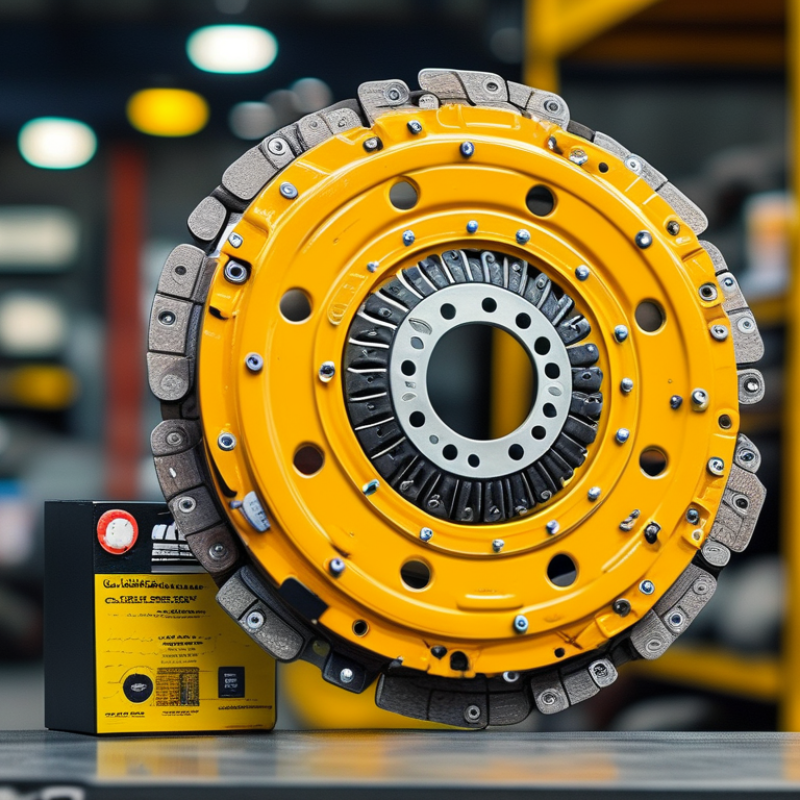
When it comes to clutch parts, discerning between authentic and counterfeit products is crucial for vehicle performance. Genuine clutch components often come with specific characteristics that reflect their quality. Look for clear markings, such as brand logos and part numbers, prominently displayed on the parts. These features usually indicate a trustworthy product. According to industry reports, around 30% of aftermarket parts are counterfeit, which can lead to premature wear and safety issues.
Evaluate the material quality of clutch parts. Authentic components typically use high-grade steel or composite materials, whereas counterfeit parts may compromise on these materials to reduce costs. You can often identify counterfeits by their heavier or lighter weight, which results from subpar material choices. Inaccurate dimensions can also signal a counterfeit. Proper fit is essential for clutch performance; incorrect sizing can cause slippage or disengagement issues.
Tips: Always purchase from reputable suppliers. Research their customer reviews and return policies. Inspect components in person if possible, ensuring they match specifications. Trust your instincts; if something appears off, seek additional information before making your purchase. As counterfeit products become more sophisticated, constant vigilance is needed.
This chart illustrates the quality ratings of authentic versus counterfeit clutch parts, showing a significant disparity in quality. Authentic clutch parts maintain a high quality rating, while counterfeit parts lag significantly.
When it comes to clutch parts, spotting quality components can be challenging. Many counterfeit parts are designed to appear authentic. Common indicators can help differentiate genuine parts from the fakes. Always check for inconsistencies in the packaging. Original parts typically feature professional branding and quality printing. Counterfeit products might have blurry logos or misspellings.
Visual inspection is crucial. Look for manufacturing irregularities, such as rough edges or inconsistent finishes. Genuine components are made with precision, while counterfeits often cut corners. Pay attention to weight as well; authentic clutch parts have a solid, heavy feel. Lightweight parts may indicate poor-quality materials.
Tips to avoid counterfeits: Examine the seller's reputation. Purchase from authorized retailers or trusted sources. Check online reviews and read customer feedback. Don’t be swayed by unusually low prices; if it seems too good to be true, it likely is. Remember, investing in quality clutch parts ultimately enhances your vehicle's performance and longevity.
When choosing clutch parts, the manufacturer’s reputation plays a key role. A trusted manufacturer often adheres to strict quality standards. This commitment can lead to more reliable components. Certifications from recognized industry bodies further enhance a brand's credibility. These certifications act as a seal of quality, ensuring that parts meet stringent performance criteria.
Counterfeit parts often mimic the appearance of genuine ones. They may carry similar logos and designs, but the quality is usually subpar. Relying on brands with established reputations reduces the risk of falling for counterfeits. Seek out manufacturers that have a history of positive consumer feedback. Researching their credentials is essential. A manufacturer’s longevity in the market can be a significant indicator of their reliability.
While it’s crucial to focus on reputable manufacturers, sometimes even established brands can disappoint. Issues may arise due to production errors or supply chain problems. Not all certifications guarantee perfection. Being aware of this can help you remain vigilant. A well-informed buyer will always prioritize quality, seeking to understand each part’s origin and manufacturing process. The journey to discover quality clutch parts starts with thorough research.
Finding reliable sources for high-quality clutch parts is crucial for any vehicle owner. According to a study by the Automotive Aftermarket Industry Association (AAIA), about 25% of parts in the market could be counterfeit or substandard. This highlights the need for vigilance when purchasing.
Many trust local automotive shops, but shopping online has become increasingly popular. Websites with user reviews can guide you to reputable sellers. Look for certifications or partnerships with recognized automotive organizations. Reports indicate that authentic parts typically sustain vehicle performance better, reducing maintenance costs in the long run.
However, navigating the online market can be tricky. Some retailers may present counterfeit parts attractively. Authentic parts generally come with clear warranties, while counterfeit options might not. Always read descriptions carefully. Pay special attention to details such as packaging quality and return policies. A well-informed buyer helps maintain the integrity of their vehicle’s performance over time.
Inspecting clutch parts can be challenging, especially with the rise of counterfeit products. To ensure quality, start with a thorough visual inspection. Look for abnormal marks or inconsistencies in the surface finish. Authentic parts often exhibit a polished surface, while fakes may have rough edges or incorrect logos. Don't ignore the packaging. Genuine parts come in professional-looking boxes with clear labels. Check for any signs of tampering, as this can indicate counterfeit goods.
Physical inspections are equally important. Feel the weight of the part; genuine clutch components often feel more substantial. This reflects the quality of materials used. Inspect fit and compatibility with the vehicle. Mismatches can reveal potential counterfeits. Use gauges to check dimensions when possible. Even slight deviations can signal inferior manufacturing.
As you conduct these inspections, keep a reflective mindset. Mistakes can happen, and sometimes even experienced mechanics miss crucial details. Stay informed about the latest imitation techniques. Learning from past oversights helps in honing your inspection skills. Every inspection should be a step towards enhancing your expertise in spotting quality parts.
| Inspection Aspect | Quality Indicators | Counterfeit Signs | Recommended Actions |
|---|---|---|---|
| Material Quality | High-quality metals and rubber | Low-quality plastic or peeling coatings | Check supplier certifications |
| Finish and Coating | Smooth, even finish | Rough edges or uneven paint | Examine the part under good lighting |
| Labels and Markings | Clear, professional labeling | Faded, misspelled, or poorly printed labels | Verify against official documentation |
| Weight and Dimensional Accuracy | Consistent weight and dimensions | Overly light or off-sized components | Use a scale and caliper for measurement |
| Fit and Compatibility | Perfectly matches OEM specifications | Incompatible fit or mismatched specifications | Test fit before installation |
: Look for clear markings like logos and part numbers. Authentic parts have these features prominently displayed.
Authentic parts typically use high-grade steel or composite materials. Counterfeit parts often compromise on material quality.
Genuine components usually have a consistent weight. Counterfeit parts may feel significantly heavier or lighter than expected.
Measure dimensions carefully. Incorrect sizing can lead to performance issues, like slippage or disengagement.
Check for abnormal marks or surface inconsistencies. Genuine parts often have a polished finish, unlike fakes.
Authentic parts come in professional packaging with clear labels. Signs of tampering may indicate counterfeits.
Remember, even experienced mechanics can miss details. Learning from past mistakes improves your inspection skills.
If something feels off about a part, trust your instincts. Seek more information before finalizing your purchase.
Always purchase from reputable suppliers. Check customer reviews and return policies before making a decision.
Keep learning about the latest imitation trends. Knowledge helps enhance your ability to spot quality clutch parts.
In "How to Spot Quality Clutch Parts and Avoid Counterfeits," the article emphasizes the essential steps for consumers to learn how to identify high-quality vs counterfeit clutch parts. Key features include examining the craftsmanship, materials used, and specific markings that indicate authenticity. Understanding common indicators of counterfeit parts, such as poor fit and finish, can help buyers make informed decisions.
Additionally, the article highlights the significance of purchasing from reputable manufacturers with certifications that ensure quality. It advises consumers to rely on trusted sources and retailers to avoid scams. Lastly, effective visual and physical inspections are encouraged to further discern the quality of clutch parts, ultimately promoting safer and more reliable vehicle performance.

TVC Auto