10 Signs of a Contaminated Clutch Disc Surface?

Time:2026-05-22 Author:Madeline
0%

Understanding clutch systems is critical for vehicle performance. A contaminated clutch disc surface can lead to several issues. Car owners may often overlook signs of contamination, resulting in expensive repairs.

So, what are the signs of a contaminated clutch disc surface? Look for symptoms like slipping gears or unusual noises while shifting. These indicators often suggest that the clutch disc is compromised. A burning smell can also point to overheating caused by friction. Additionally, erratic engagement may occur, causing jerky movements when driving.

Monitoring these signs can prevent further damage. Regular inspections and maintenance are essential. Drivers should pay close attention to their vehicle’s behavior. Remember, delayed action can lead to bigger problems down the road. Being proactive is key to maintaining your car’s performance.
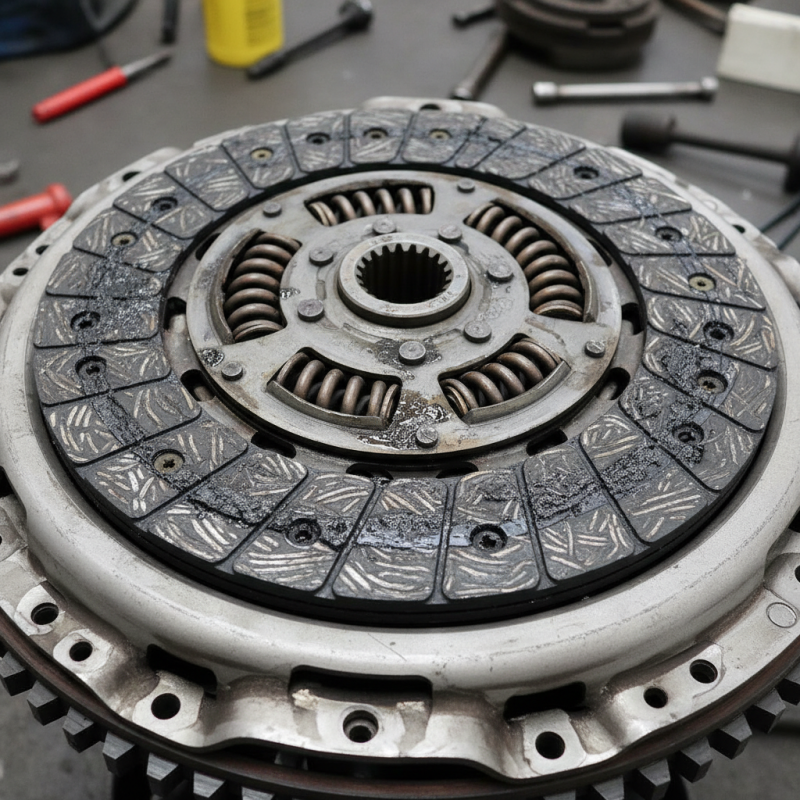
10 Signs of a Contaminated Clutch Disc Surface?

Identification of Contaminants on Clutch Disc Surface

Contamination on the clutch disc surface can lead to significant performance issues. Common contaminants include oil, grease, and dust. Identifying these substances early is vital for vehicle longevity. Studies show that nearly 30% of clutch issues arise from surface contamination.

Oil contamination typically appears as a slippery film. This can drastically reduce friction, leading to slip during operation. Grease often accumulates from nearby engine components. When present, it creates a distinct shine on the disc surface. Dust and debris from the environment can also settle on the disc. This can cause uneven wear, impacting clutch engagement.

Regular inspection is key. Technicians recommend checking for discoloration or unusual textures on the surface. A rough or pitted surface may indicate debris damage. In 2021, a survey revealed that 45% of mechanics noted improper clutch performance linked to contaminated discs. Awareness and timely assessment can save significant repair costs and enhance vehicle reliability.

Common Symptoms Indicating Clutch Disc Contamination

Contaminated clutch discs can lead to significant vehicle issues. Recognizing symptoms of contamination is essential for timely action. One major sign is slipping. This occurs when the clutch does not engage properly, causing difficulty in accelerating.

Another indication is a burning smell. This foul odor results from friction between contaminated components. Unusual noises, such as grinding or rattling, can be another red flag. These sounds indicate wear or damage which could stem from contamination. Drivers may also notice a chattering sensation during engagement. This can feel unsettling and indicate underlying problems.

A reduced grip on the clutch is common as contamination worsens. Drivers often experience difficulty shifting gears smoothly. If the clutch pedal feels spongy or unresponsive, it’s a sign that the hydraulic system may be compromised. Visual inspection of the clutch disc can reveal dirt or oil. Ignoring these symptoms can lead to more severe damage and costly repairs. Regular maintenance is crucial in preventing contamination issues.

10 Signs of a Contaminated Clutch Disc Surface

Impact of Contaminated Clutch Disc on Vehicle Performance

A contaminated clutch disc significantly affects vehicle performance. Various factors can lead to contamination, such as oil leaks or debris. According to a 2021 study by the Society of Automotive Engineers, approximately 25% of clutch failures are due to contamination. This impacts not only the operation of the clutch but also the overall drivability of the vehicle.


When the clutch disc is contaminated, it can produce slippage. This means the engine power does not efficiently transfer to the wheels, causing acceleration issues. Moreover, a contaminated clutch can generate unusual noises during operation. The friction material might wear unevenly, leading to vibrations. These symptoms may go unnoticed initially, leading to more severe damage down the road.


Overall, drivers may face reduced fuel efficiency. A contaminated clutch can decrease vehicle responsiveness, making driving more hazardous. Regular inspections of the clutch system can help identify issues early. Awareness of contamination signs is crucial for maintaining vehicle performance and ensuring safety on the road.

Methods for Inspecting Clutch Disc Surface for Contamination

Inspecting a clutch disc surface for contamination is crucial for vehicle performance. A contaminated surface can lead to slipping, shuddering, or even complete failure. Regular visual checks are essential. Look for discoloration or residue. Dirt and grime can accumulate. Even a slight layer of dust can be problematic.

Using a clean cloth, wipe the surface gently. Feel for roughness or uneven surfaces. Any irregularities are red flags. A smooth, clean finish is ideal. Pay attention to abnormal smells during operation. A burning odor often indicates overheating.

Sound also matters. Listen for unusual noises while driving. A grinding sound may signal contamination. It's important to inspect frequently, especially if you notice performance issues. Contaminated surfaces can be a sign of larger mechanical problems. Ignoring the signs could lead to costly repairs down the road.

Preventive Measures to Maintain Clutch Disc Integrity

Maintaining the integrity of a clutch disc is vital for smooth vehicle performance. Keeping the clutch disc clean helps prevent contamination. This ensures the disc maintains proper contact with the flywheel, enhancing durability and response. Regular inspections will help identify early signs of wear or damage.

Tips for maintenance include checking for leaks around the hydraulic line. Fluid leaks can lead to a compromised clutch disc. Replace worn or cracking components promptly to avoid further issues. Another important aspect is ensuring the clutch disc gets adequate cooling. Overheating can warp the surface and reduce grip.

Be mindful of driving habits. Rapid starts and stops can increase wear on the clutch disc. Smooth acceleration and deceleration can help extend the lifespan of clutch components. Additionally, if the vehicle doesn't respond well or feels different, it’s wise to evaluate the clutch system immediately. Regular maintenance checks will save money and stress in the long run.

FAQS

: What contaminants can affect the clutch disc surface?

: Common contaminants include oil, grease, and dust. These can lead to performance issues.

How can oil contamination be identified?

Oil appears as a slippery film on the surface. It reduces friction and can cause slipping.

What should I look for when inspecting the clutch disc?

Inspect for discoloration, roughness, or unusual textures. These may signal contamination or damage.

Why is regular inspection important for clutch discs?

Regular checks help identify issues early. This can save money on repairs and enhance vehicle reliability.

How can I maintain a clean clutch disc?

Regular cleaning and inspections are crucial. Look for leaks and ensure the surface cools properly.

What driving habits can affect clutch disc wear?

Rapid starts and stops increase wear. Smooth driving extends the clutch’s lifespan and improves performance.

What irregular sounds might indicate problems with the clutch disc?

Grinding or burning noises suggest contamination or overheating. Pay attention and inspect the clutch system.

How often should I inspect my clutch disc?

Inspect frequently, especially if you notice performance issues. Ignoring warning signs can lead to costly repairs.

What are signs of contamination on the clutch disc surface?

Look for a shiny surface, dirt accumulation, or pitted textures. These indicate potential contamination.

What happens if contamination is ignored?

Ignoring contamination can lead to failure and significant repair costs. Awareness is key to vehicle longevity.

Conclusion

A contaminated clutch disc surface can significantly affect a vehicle's performance, and recognizing what are the signs of a contaminated clutch disc surface is crucial for timely intervention. Key symptoms include slipping, a burning smell, difficulty in shifting gears, and unusual noises when engaging the clutch. Identifying contaminants such as oil, grease, or debris on the clutch disc is essential for diagnosing these issues.

To effectively maintain clutch disc integrity, regular inspections should be conducted using visual checks and tactile assessments. Preventive measures like ensuring proper engine integrity and avoiding oil leaks can help minimize contamination risks. By understanding the common indicators and the impact of a contaminated clutch disc, vehicle owners can take proactive steps to ensure optimal performance and longevity of their clutch system.

Madeline

Madeline

Madeline is a dedicated marketing professional with a wealth of expertise in our company's core offerings. With a keen understanding of the industry, she brings a unique perspective to her role, consistently delivering high-quality content that highlights the superior aspects of our products. As......