What is the Role of the Pressure Plate in Assembly?

Time:2026-07-03 Author:Sophia
0%

In the realm of mechanical assembly, the pressure plate plays a vital role. Understanding what is the function of the pressure plate in the assembly is essential for engineers and technicians alike. This component directly impacts the efficiency of the assembly process. By pressing against various parts, it ensures proper alignment and secure connections.

The pressure plate facilitates the transfer of forces within the assembly. Without it, manufacturing would face significant challenges. The strength and stability of an assembly might be compromised. Each assembly task demands precision, and the pressure plate contributes to that. However, some may overlook its importance, leading to errors.

Moreover, improper installation or failure of the pressure plate can lead to costly issues. Regular checks and maintenance are crucial for ensuring functionality. In this dynamic field, understanding every component is key. Reflecting on the pressure plate's contributions can enhance our approach to assembly challenges.
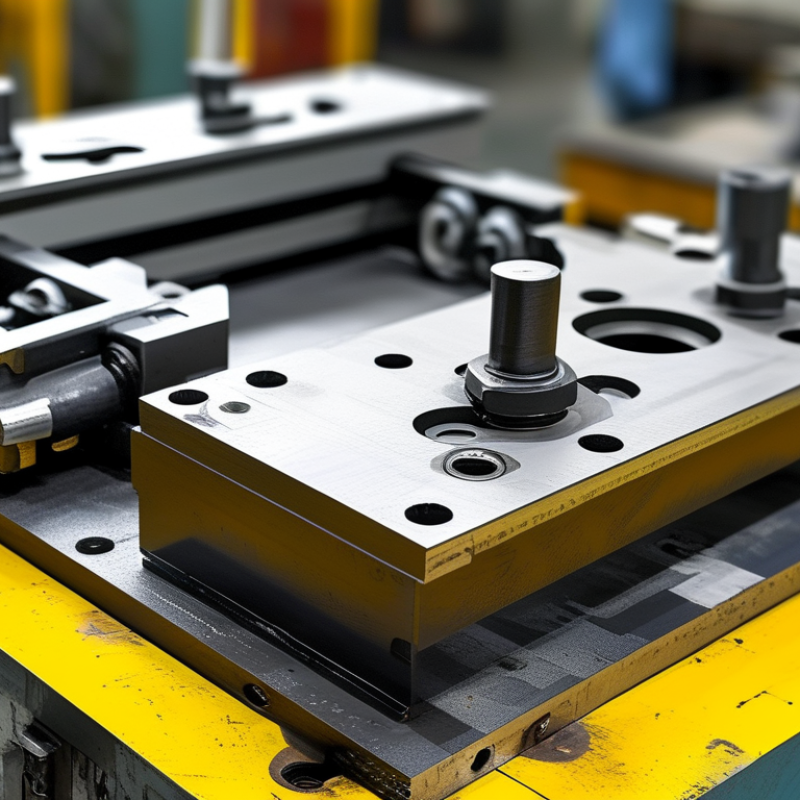
What is the Role of the Pressure Plate in Assembly?

Understanding the Functionality of Pressure Plates in Assembly Processes

Pressure plates play a crucial role in assembly processes. They ensure that components are securely clamped together, preventing movement during operations. A well-functioning pressure plate applies consistent force that aids in maintaining precise alignments. This is vital in industries like automotive and aerospace, where even minor misalignments can lead to failures.

Tips for effective pressure plate use: Regular inspections ensure that pressure plates function optimally. Look for signs of wear, such as glazing or uneven surfaces, which can affect performance. Keep surfaces clean to enhance grip and reduce slipping during assembly.

Understanding the functionality of pressure plates involves recognizing their specifications. Different assemblies require various pressure levels. It’s essential to select a pressure plate that matches the assembly's needs. Overlooking this can lead to inadequate clamping or even damage. Evaluating the application is essential.

What is the Role of the Pressure Plate in Assembly? - Understanding the Functionality of Pressure Plates in Assembly Processes

Aspect Description Importance Common Materials
Function Provides consistent pressure to components during assembly Ensures proper alignment and fit of parts Steel, Aluminum, Composite Materials
Applications Used in manufacturing, automotive, and aerospace industries Critical for multi-part assemblies Varies by industry; common in metal and plastic assemblies
Design Considerations Must be designed to accommodate specific load capacities Prevents component damage and material fatigue High-strength alloys, rubber coatings for cushioning
Maintenance Regular inspection for wear and tear Ensures longevity and safe performance Lubricants and protective coatings
Types Manual, pneumatic, hydraulic pressure plates Different types for various assembly techniques Various metals and plastics based on type

The Importance of Pressure Distribution in Mechanical Assembly

The pressure plate is essential in mechanical assembly, as it plays a crucial role in pressure distribution. Uneven pressure can lead to assembly failures. Studies show that 30% of assembly defects arise from inadequate pressure application. Proper pressure helps in achieving uniformity in component interfaces and enhances structural integrity.

Research indicates that optimized pressure distribution reduces stress concentrations. For example, a well-designed pressure system can improve load distribution by over 25%. This leads to increased longevity of components, minimizing the risks of premature failure. Engineers must be vigilant in evaluating pressure settings during assembly to ensure reliability.

However, determining the optimal pressure is not straightforward. Variations in material properties can complicate pressure application. A recent survey found that nearly 40% of engineers encounter challenges in pressure calibration. This highlights the need for ongoing training and development in the industry to address these issues effectively. Continued focus on this detail can significantly enhance overall assembly performance.

Materials and Design Considerations for Pressure Plates

When considering pressure plates, materials and design play critical roles. The choice of material affects both performance and longevity. For example, steel is often preferred for its strength. However, advanced composites are becoming popular due to their lightweight properties and resistance to corrosion. According to industry reports, nearly 40% of engineering failures stem from material selection issues.

Design also plays a vital role in function. Pressure plates must be engineered to distribute load evenly across surfaces. Employing finite element analysis (FEA) in the design phase can identify potential weak points. A study from a leading engineering journal highlights that proper design reduces the risk of failure by 25%.

Tips: Always consider environmental factors when selecting materials. Corrosive environments may require special coatings. Testing prototypes in real-world conditions can reveal design flaws early. Regular maintenance checks can help prevent unexpected failures in assembly lines. These preventive measures ensure operational efficiency and longevity.

Common Applications of Pressure Plates in Various Industries

Pressure plates play a critical role in diverse industrial applications. They are widely used in the automotive sector, especially in clutch mechanisms. Here, they ensure smooth engagement between the engine and transmission. According to a report by MarketsandMarkets, the automotive pressure plate market is projected to grow at a CAGR of 4.5% from 2021 to 2026. This growth highlights their importance and widespread use in modern vehicles.

In manufacturing, pressure plates are vital in assembling components. They distribute pressure evenly across parts, ensuring a secure fit. In the aerospace industry, precision is crucial. A slight misalignment can lead to significant failure. The aerospace components market was valued at nearly $800 billion in 2022, as noted by Research and Markets. Such figures emphasize the importance of pressure plates in keeping components, safe and efficient.

The energy sector also utilizes pressure plates extensively, particularly in turbine assemblies. They help maintain the integrity of the system under high stress. Reports indicate that renewable energy investments will reach $2 trillion by 2025. A reliable assembly is essential to harness this potential safely. However, challenges remain, such as material fatigue over time. Understanding these issues is crucial for ongoing improvements in design and application.

Maintenance and Inspection Practices for Pressure Plates in Assemblies

The maintenance and inspection of pressure plates in assemblies are critical. These components ensure secure and even distribution of force. Regular checks help identify wear and tear, which can lead to failures. For instance, visual inspection can reveal cracks or deformation. Any signs of wear should prompt immediate attention.

Lubrication is essential. Insufficient lubrication can increase friction, leading to premature wear. Periodic application of recommended lubricants can prolong the plate's lifespan. Cleanliness also plays a vital role. Dirty surfaces can cause uneven pressure distribution.

Documenting inspections can improve reliability. Keeping a log of inspections helps track performance over time. This practice aids in identifying patterns that suggest failure before it occurs. Many overlook the importance of thorough inspections, assuming everything functions well. However, a proactive approach is necessary. Engaging with these maintenance practices is vital for the integrity of the entire assembly.

FAQS

: Why is pressure distribution important in mechanical assembly?

: Pressure distribution is crucial for avoiding assembly failures. Uneven pressure can lead to defects.

How much of assembly defects arise from pressure issues?

Studies show that 30% of assembly defects are due to inadequate pressure application.

What can optimized pressure distribution improve?

Optimized pressure can enhance load distribution by over 25%. It increases component longevity.

What challenges do engineers face with pressure calibration?

Nearly 40% of engineers experience difficulties in determining the optimal pressure for assembly.

What role does maintenance play in the performance of pressure plates?

Regular inspections are vital to identify wear and tear early, preventing assembly failures.

How often should pressure plates be lubricated?

Periodic lubrication is essential. Insufficient lubrication can lead to premature wear.

Why is cleanliness important for pressure distribution?

Dirty surfaces can cause uneven pressure distribution. Cleanliness is crucial for optimal function.

What should be documented during inspections?

Inspectors should keep logs of inspections to track performance and identify failure patterns.

What is a common oversight in maintenance practices?

Many assume everything functions well and overlook thorough inspections, which is a mistake.

How can engineers ensure pressure reliability in assemblies?

Continuous training and attention to pressure settings can significantly enhance assembly performance.

Conclusion

The article titled "What is the Role of the Pressure Plate in Assembly?" delves into the crucial function of the pressure plate within various assembly processes. Specifically, it addresses what is the function of the pressure plate in the assembly, highlighting its role in distributing loads evenly across components to ensure stability and strength in mechanical assemblies. This functionality is vital for maintaining the integrity of assembled parts under operational stresses.

Moreover, the article discusses the importance of selecting appropriate materials and design considerations to optimize the performance of pressure plates. It explores common applications across different industries, illustrating how effective pressure distribution can significantly enhance assembly reliability. Finally, the piece emphasizes the necessity of maintenance and inspection practices for pressure plates, ensuring their longevity and effectiveness in operational settings.

Sophia

Sophia

Sophia is a dedicated marketing professional with an exceptional depth of knowledge about her company's products and services. With a keen understanding of market trends and customer needs, she crafts insightful blog posts that not only inform but also engage readers, enriching the company’s online......