When it comes to vehicle maintenance, understanding when should you replace a complete clutch kit is crucial for optimal performance. A report by the Automotive Aftermarket Industry Association reveals that approximately 20% of vehicle repairs are related to clutch issues. These problems often stem from wear and tear, leading to slippage and poor shifting. Ignoring early signs can escalate into more significant, costly repairs.
Drivers may experience symptoms like difficulty in gear shifts or unusual noises during operation. These signs should not be overlooked. Replacing a complete clutch kit at the right time can enhance drivability and prevent further damage. Studies suggest that timely clutch replacement can extend the life of your vehicle's transmission system by up to 30%.
Many drivers delay maintenance, often due to a lack of knowledge. This can lead to dangerous situations on the road and increase repair costs. A proactive approach is essential. Investing in a complete clutch kit replacement can save money and ensure safety in the long run. Understanding your vehicle's needs is part of responsible ownership.
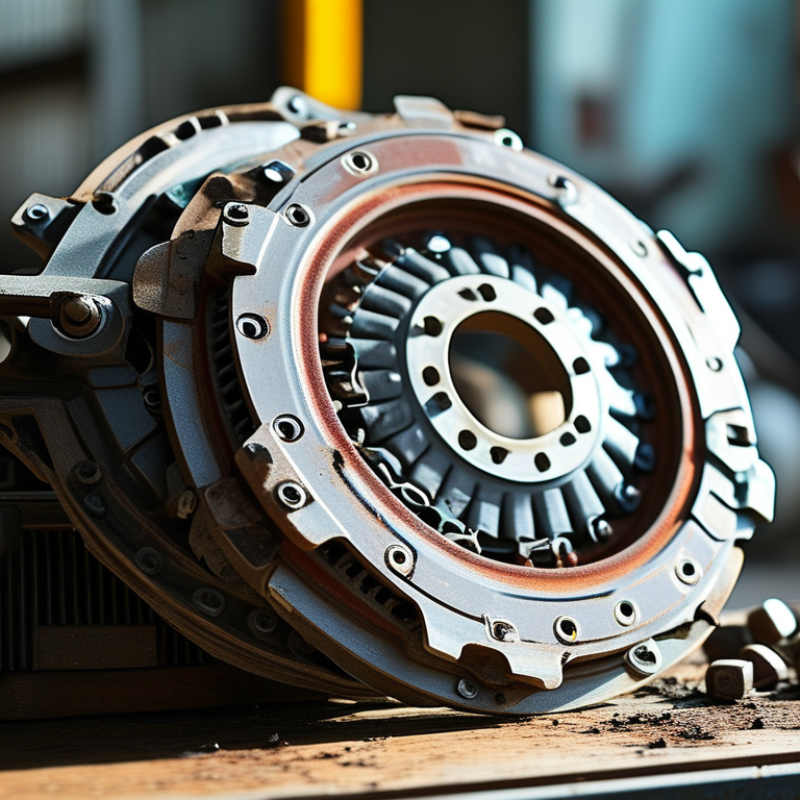
When your clutch starts to show signs of wear, a complete replacement is crucial. Data shows that a worn clutch can lead to poor vehicle performance, reducing overall safety. Replacing the entire clutch kit ensures you address all components, not just the obvious ones.
Professionals recommend changing the clutch kit as a whole at around 75,000 miles. This prevents further issues that could lead to more costly repairs later on. A complete clutch kit includes the pressure plate, disc, and release bearing. Each part plays a role in optimal performance. Neglecting one component can cause premature failure of the others.
**Tip:** Regularly check for signs like slipping, unusual noises, or difficulty shifting. Keeping a close eye on these warning signs can save you from hefty repair bills.
Inconsistent maintenance can lead to misunderstandings about the clutch's health. For example, many drivers ignore subtle vibrations. Such oversights can impact the entire drive train. Understanding the importance of a complete clutch kit replacement can lead to smoother rides and safer driving experiences.
When it comes to clutch wear, early identification can save you money. Drivers often overlook subtle signs until significant damage occurs. Understanding these signs can be crucial for timely intervention.
Common indicators of clutch wear include slipping, difficulty shifting gears, and unusual noises. Slipping happens when the engine revs higher than usual, indicating a worn disc. A study by the Institute of Automotive Engineering reveals that most clutch failures stem from prolonged wear, often observed in city driving conditions. Additionally, if shifting becomes hard or requires extra force, the pressure plate might be failing.
Tips: Regularly inspect your clutch fluid and check for leaks. Addressing small issues can prevent bigger problems later. Pay attention to any strange sounds while driving. They may indicate a need for immediate inspection.
Delaying clutch replacement can lead to further damages, including transmission issues. A reliable analysis states that 70% of drivers wait too long for repairs. Trust your instincts; if something feels off, it's essential to act promptly. Regular maintenance checks can ensure that any signs of wear are caught early.
This bar chart illustrates the common signs of clutch wear and damage. Each sign correlates to the occurrences reported during inspections, highlighting the importance of addressing these issues promptly to prevent further damage.
The timely replacement of a complete clutch kit significantly enhances vehicle performance. Studies have shown that up to 50% of clutch failures stem from neglecting early warning signs. Common symptoms include slipping, difficulty in changing gears, and abnormal noises. Recognizing these indicators early can prevent further damage and maintain vehicle efficiency.
Replacing the clutch kit can lead to a smoother driving experience. A worn-out clutch can cause poor acceleration and increased fuel consumption, affecting overall performance. According to industry reports, a new clutch kit can improve fuel efficiency by up to 15%. This improvement not only saves money but also reduces harmful emissions.
Vehicle safety is another crucial consideration. A faulty clutch can lead to dangerous situations, especially in heavy traffic or on inclines. Delaying replacement may cause a complete failure, resulting in costly repairs and potential accidents. Investing in a new clutch kit can extend the life of your vehicle and offer peace of mind while driving. Regular maintenance is essential, yet many overlook the importance of timely replacements. This oversight can lead to more serious complications down the line.
Ignoring clutch issues can lead to significant risks for vehicle performance. The International Automotive Task Force reported that about 25% of driver complaints are related to transmission problems, including clutch failures. When a clutch begins to slip or makes strange noises, it may seem like a minor issue. However, delays in addressing these signs can escalate into more severe problems, potentially involving the gearbox or driveline, which can lead to extensive repair costs.
Clutch problems often manifest as difficulty in shifting gears or burning smells during operation. According to the National Highway Traffic Safety Administration, around 15% of accidents stem from mechanical failures. This highlights the critical importance of regular maintenance and timely replacement. A complete clutch kit replacement not only restores functionality but also enhances safety. Mechanical failures resulting from neglect can compromise the integrity of other components, causing cascading failure effects that are costly and time-consuming to resolve.
By addressing signs of clutch wear immediately, vehicle owners protect themselves and their investments. Ignoring these signs invites unnecessary risks. Regular inspections and proactive replacements of a complete clutch kit can be the key to maintaining a vehicle’s reliability and safety. This approach reflects a commitment to quality maintenance, ultimately benefiting both the driver and the vehicle’s longevity.
Replacing a clutch kit requires careful attention and expertise. Start by ensuring the vehicle is on a level surface. Use jack stands for safety. Many clutch failures stem from wear and tear, often overlooked until significant damage occurs. According to industry reports, about 70% of drivers ignore early signs of clutch problems, leading to costly repairs and safety risks.
Once the vehicle is secure, disconnect the battery and remove the transmission. This process can be complex and requires specialized tools. Be mindful of the clutch components such as pressure plates and bearings. A study showed that improper installation can decrease clutch life by 30%. Ensure each part is clean and free from debris. As you reassemble, check alignment meticulously; even a slight misalignment can lead to premature failure.
After installation, bleed the hydraulic system carefully. Road testing is essential to confirm that everything operates smoothly. There’s a risk that minor adjustments might be needed after initial use. Keeping a log of maintenance and replacements helps track vehicle performance over time, highlighting potential future issues. Regular checks can save time and money in the long run.
| Signs of Clutch Wear | Recommended Action | Steps for Replacement | Estimated Cost |
|---|---|---|---|
| Slipping Clutch | Replace Clutch Kit | 1. Lift vehicle 2. Remove transmission 3. Replace clutch components |
$800 - $1200 |
| Noisy Clutch | Inspect and Replace | 1. Check for wear 2. Replace as necessary |
$700 - $1000 |
| Difficult to Shift Gears | Check Clutch Kit | 1. Inspect hydraulic system 2. Replace clutch if needed |
$600 - $900 |
| Vibration during Gear Engagement | Replace Clutch Assembly | 1. Assess clutch alignment 2. Reinstall transmission |
$750 - $1100 |
: A complete replacement ensures all components function well, preventing premature failures and enhancing safety.
It’s advisable to change the clutch kit around 75,000 miles to avoid further issues and costly repairs.
Look out for slipping, unusual noises, and difficulty shifting gears. These indicate wear that needs attention.
A new kit can enhance acceleration and improve fuel efficiency, potentially saving up to 15% on fuel costs.
Delaying can lead to complete failure, accidents, and expensive repairs, impacting both safety and performance.
Regularly monitoring for signs like vibrations can identify issues early, preventing more serious problems.
A full kit typically contains the pressure plate, disc, and release bearing, each necessary for optimal performance.
Yes, neglecting minor issues can lead to complications in the entire drive train, affecting overall vehicle performance.
Inconsistent maintenance and lack of awareness can lead to overlooking subtle signs that indicate problems in the clutch.
Address any symptoms promptly and consider a professional assessment to prevent further damage and ensure safety.
Replacing a complete clutch kit is essential for maintaining optimal vehicle performance and safety. When should you replace a complete clutch kit? Signs of wear and damage, such as slipping, unusual noises, or difficulty shifting gears, indicate that timely replacement is crucial. Ignoring these issues can lead to more severe problems, affecting not only the clutch system but potentially other components of the vehicle as well.
The benefits of addressing clutch problems promptly include improved driving experience, enhanced vehicle reliability, and cost savings in the long run. The process of replacing a clutch kit involves several steps to ensure it is done effectively and safely. By being proactive in recognizing the signs of clutch wear and taking necessary actions, vehicle owners can prevent complications and ensure smooth operation of their cars.

TVC Auto