How to Properly Break in a New Clutch for Long Lasting Performance?

Time:2026-08-27 Author:Isabella
0%

When it comes to vehicle maintenance, understanding how to break in a new clutch properly for longevity is crucial. The process of breaking in a clutch can significantly influence its lifespan and performance. Many drivers overlook this essential step, leading to premature wear and reduced effectiveness.

To maximize the efficiency of your new clutch, you must approach the break-in process with care. Start by avoiding aggressive driving for the first few hundred miles. This gentle treatment allows the clutch and its components to bed in properly. Consistent, moderate shifts will help the clutch plate and flywheel develop a smooth contact surface. Remember, this isn't just about feeling good behind the wheel; it's about prolonging your clutch’s life.

It’s also important to be aware of common mistakes. Many drivers rush the break-in process, thinking they can regain lost performance. This flawed thinking can lead to problems, including slipping or shuddering. Paying attention to unusual sounds during the break-in period can provide clues about potential issues. Listening to your vehicle is just as important as following the break-in guidelines. Embrace this chance for reflection and improvement, ensuring your new clutch serves you well for years to come.
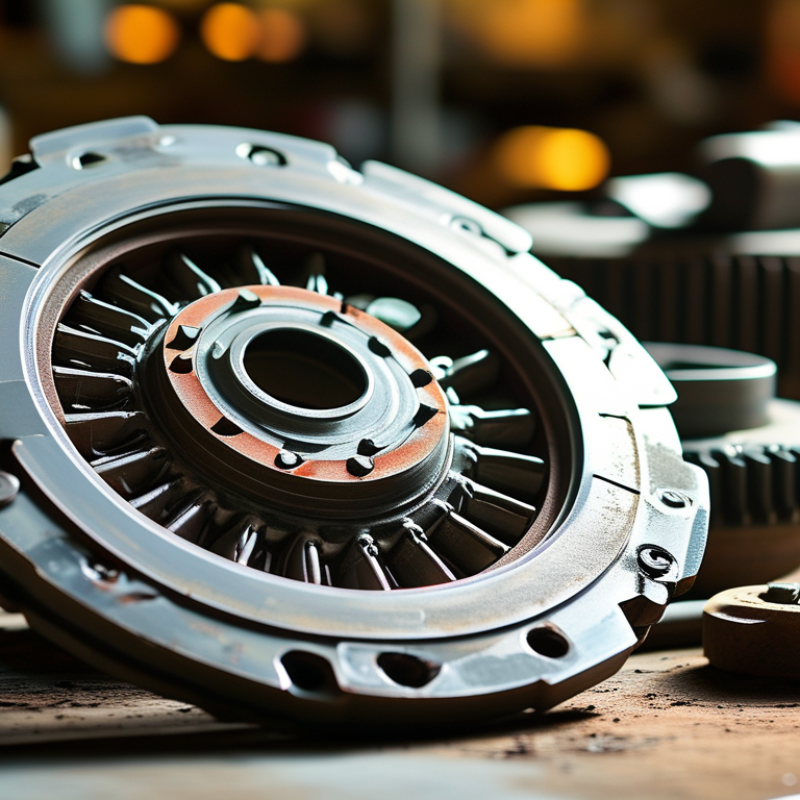
How to Properly Break in a New Clutch for Long Lasting Performance?

Understanding Clutch Components and Their Functionality

Understanding the components of a clutch system is essential for maintaining optimal vehicle performance. The clutch primarily consists of the flywheel, pressure plate, and clutch disc. The flywheel provides the necessary friction for engagement and disengagement. The pressure plate holds the clutch disc tightly against the flywheel, allowing power transfer from the engine to the transmission. A well-functioning clutch ensures smoother gear shifts and enhances overall drivability.

Research indicates that nearly 70% of clutch failures are linked to improper handling and engagement practices. Overheating is a common issue, often caused by excessive slipping during the break-in period. This can lead to premature wear of the clutch disc. A careful break-in procedure can significantly extend the lifespan of your clutch, allowing it to perform optimally over time. Regular maintenance, including periodic inspections and proper adjustments, can play a vital role in preventing early failure.

Many drivers underestimate the importance of understanding clutch functionality. Being aware of how components interact helps drivers make informed choices during operation. Simple mistakes, like resting a foot on the clutch pedal while driving, can lead to unnecessary wear. Recognizing these nuances is key to enhancing both performance and longevity. Knowledge and awareness can prevent costly repairs and promote a better driving experience.

How to Properly Break in a New Clutch for Long Lasting Performance? - Understanding Clutch Components and Their Functionality

Clutch Component Functionality Material Typical Lifespan (miles) Break-in Period (miles)
Clutch Plate Engages and disengages engine power to the drivetrain Friction material 50,000 - 100,000 500 - 1,000
Pressure Plate Presses the clutch plate against the flywheel Steel 60,000 - 120,000 500 - 1,000
Flywheel Provides a surface for the clutch to engage Cast iron or aluminum 100,000 - 200,000 1,000 - 2,000
Release Bearing Allows clutch disengagement when the pedal is pressed Ball bearing 40,000 - 80,000 500 - 1,000
Clutch Fork Transmits force from the pedal to the release bearing Steel or aluminum Indefinite with proper use N/A

Signs of a Properly Installed Clutch in Your Vehicle

When you drive a vehicle with a newly installed clutch, you should notice certain signs that indicate it's properly installed. A smooth engagement and disengagement of the clutch pedal are crucial. You shouldn't experience any grinding or difficulty shifting gears. If the clutch operates quietly without strange noises, that's a good sign. Proper alignment ensures efficient power transfer, enhancing your driving experience.

Proper pedal feel is key to a well-installed clutch. You should feel a consistent resistance when operating the clutch. If it feels spongy or overly tight, there may be an issue that requires attention. Also, observe for any unusual vibrations. These can be an indicator of misalignment or other installation errors. Don't ignore these signs; they often lead to further complications.

After installing a new clutch, take time to ease into driving. Gradually apply pressure while engaging the clutch. Avoid full throttle during this period. This helps in breaking in the clutch effectively. Maintaining a steady driving pattern can enhance longevity. Stay alert for signs of slipping or fading performance. This awareness will help you take timely action if something goes wrong. Your goal is to ensure reliability and performance from your clutch system.

Initial Driving Techniques for New Clutch Break-in

When breaking in a new clutch, initial driving techniques matter significantly. New clutches require attention to prevent premature wear. Industry research suggests that about 30% of clutch failures are due to improper break-in procedures. Such failures can lead to costly repairs. The break-in process can take anywhere from 500 to 1,000 miles. This period is crucial for ensuring optimal performance and longevity.

During the break-in phase, avoid heavy acceleration. Instead, focus on gradual pressure. Engage the clutch smoothly, allowing it to slip slightly. This helps the friction material on the clutch plate to settle in properly. According to automotive experts, short trips with frequent stops can hinder the break-in process. Aim for longer drives at moderate speeds to promote even wear. Monitor for unusual noises or vibrations, which may indicate issues.

Reflection is vital during this phase. Don't push the vehicle's limits; instead, be patient. Overlooking these practices can lead to a "sticking" clutch or chatter during engagement. A mindful approach enhances the gripping surfaces, leading to improved overall performance. Aim to adhere to this protocol to extend the lifespan of your new clutch.

Common Mistakes to Avoid During Clutch Break-in Period

Properly breaking in a new clutch is crucial for optimal performance. Many drivers overlook the break-in period, leading to premature wear. Statistics indicate that improper break-in can reduce clutch life by up to 30%. Common mistakes often include aggressive driving during the initial phase. Experts recommend a smoother approach for at least the first 500 miles.

Excessive slipping while engaging the clutch is another frequent error. This can generate unnecessary heat, causing damage. Studies show that keeping slips below 10% greatly enhances longevity. It’s essential to vary driving conditions as well. Constant speed or driving in one gear can prevent proper bedding of friction surfaces, leading to uneven wear patterns.

Ignoring the manufacturer’s guidelines is also widespread. Many believe they know better, resulting in suboptimal performance. Each clutch system is designed with specific tolerances and requirements. Adhering to the recommendations can mitigate the risks. Ultimately, being attentive during the break-in period is not just about following rules; it reflects a commitment to maintaining your vehicle’s reliability and performance.

Maintenance Tips for Prolonging Clutch Lifespan

Proper maintenance of a new clutch can significantly extend its lifespan. Research indicates that a well-maintained clutch can last anywhere from 60,000 to 100,000 miles. This makes regular checks essential for optimal performance. One crucial step is to avoid riding the clutch. Constantly pressing the pedal can lead to premature wear. An increasing number of vehicle owners report that they often ignore this simple practice.

Regularly inspecting the hydraulic system is another vital maintenance task. Studies from automotive experts suggest that 30% of clutch failures stem from hydraulic issues. Low fluid levels or leaks can cause unexpected slips or hard shifts. Keeping the hydraulic fluid clean and at appropriate levels ensures that the clutch operates smoothly.

Driver habits also influence clutch longevity. Aggressive acceleration and frequent stops can accelerate wear. A moderate driving style can preserve clutch components. Many drivers overlook this, only realizing the impact after experiencing issues. Understanding these factors can help in making informed decisions for proper clutch care. Regularly monitoring these elements can lead to improved reliability and performance over time.

FAQS

: What are the main components of a clutch system?

: The main components include the flywheel, pressure plate, and clutch disc. Each has a specific function.

How can improper handling affect clutch performance?

Nearly 70% of clutch failures are due to improper handling. It often leads to overheating and premature wear.

What is a common issue during the break-in period?

Overheating from excessive slipping is common. It can significantly shorten the clutch’s lifespan if not monitored.

How often should a clutch be maintained?

Regular checks are essential. A well-maintained clutch can last between 60,000 and 100,000 miles.

What should drivers avoid to prolong clutch life?

Drivers should avoid riding the clutch. Resting a foot on the pedal can lead to unnecessary wear.

How does a driver's style impact clutch longevity?

Aggressive acceleration and frequent stops can accelerate wear. A moderate driving style helps preserve clutch components.

Why is inspecting the hydraulic system important?

Around 30% of clutch failures stem from hydraulic issues. Low fluid or leaks can cause unexpected slipping.

What are the consequences of ignoring clutch maintenance?

Ignoring maintenance can lead to costly repairs and a decreased overall driving experience. Many realize this too late.

Can a careful break-in procedure affect clutch performance?

Yes, it can significantly enhance lifespan and performance. Awareness of this practice is crucial for drivers.

Conclusion

In the process of ensuring optimal performance from a new clutch, understanding its components and functionality is crucial. Proper installation is a precursor to success, as signs of a correctly installed clutch can significantly impact performance. When considering how to break in a new clutch properly for longevity, it’s essential to adopt specific driving techniques during the initial miles. Gradual engagement and avoiding aggressive driving can enhance the break-in experience.

Moreover, common mistakes such as riding the clutch or sudden throttle inputs can lead to premature wear. To further prolong the lifespan of the clutch, regular maintenance and monitoring of performance are necessary. Incorporating these practices not only secures the effectiveness of the clutch but also contributes to a smoother driving experience over time. Understanding these key elements allows drivers to maximize their clutch's durability and functionality.

Isabella

Isabella

Isabella is a dedicated marketing professional with a sharp focus on driving brand growth and engagement through strategic content creation. With an extensive background in digital marketing, she combines her passion for storytelling with her keen understanding of industry trends to deliver......