Driving in traffic can be stressful. Many drivers unknowingly develop poor habits. One common mistake is riding the clutch. Understanding why you should never ride the clutch in traffic is crucial for safety.
Riding the clutch can lead to dangerous situations. It increases the risk of losing control and makes it hard to react quickly. When your foot rests on the clutch, you might not be fully engaged with the vehicle. This can cause delays in responding to sudden stops or obstacles. In congested areas, this habit can amplify risks.
Moreover, riding the clutch can damage your vehicle’s transmission. It is an unnecessary strain on the clutch system. This can lead to costly repairs and increased maintenance. Reflecting on your driving habits may help improve your safety. It is essential to engage fully with your vehicle, especially in heavy traffic. By recognizing these risks, drivers can make better choices on the road.
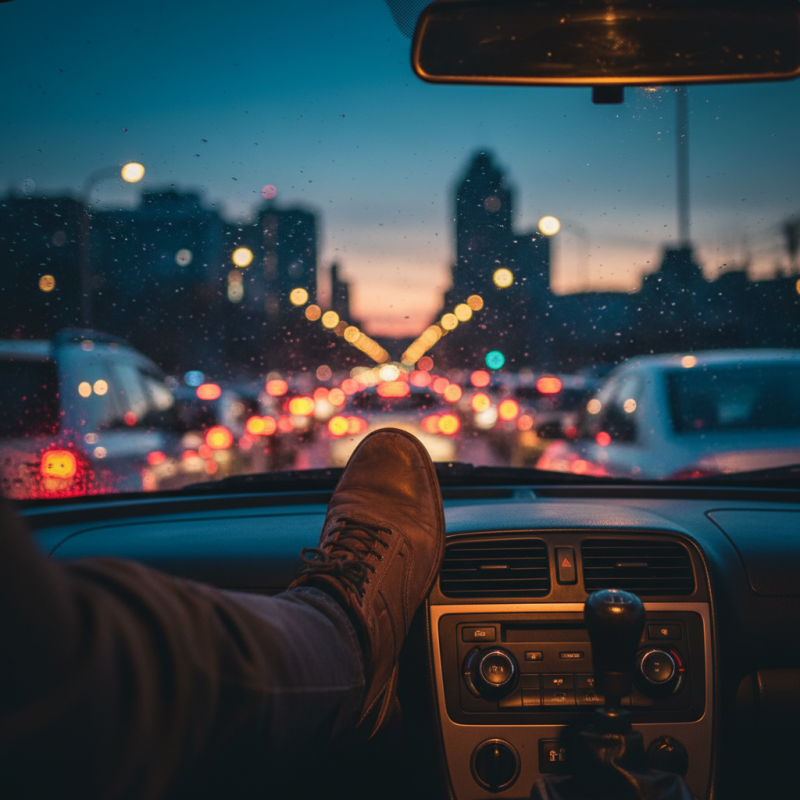
Understanding the clutch is essential for maintaining control over your vehicle. The clutch connects and disconnects the engine from the wheels. This process allows for smooth gear changes. When you ride the clutch, you can wear it out faster. Over time, this can lead to costly repairs.
Traffic situations often require quick reactions. Many drivers mistakenly keep their foot on the clutch pedal while waiting. This practice can result in a lack of control. Instead, use the brake when stopping for extended periods. This reduces unnecessary wear on your clutch.
Tips: Always engage the handbrake in stop-and-go traffic. This practice keeps your vehicle secure. When moving slowly, use the gears and avoid clutch riding. It’s a better way to manage vehicle movement. Think about your driving habits. Reflect on how you can improve your vehicle control. Your clutch will appreciate it.
This bar chart illustrates the importance of proper clutch usage in relation to safe driving practices. Data is collected based on the frequency of clutch misuse and its correlation with safety incidents.
In heavy traffic, riding the clutch can lead to dangerous situations. Many drivers hold the clutch pedal down instead of fully engaging it. This habit can cause premature wear on the clutch, leading to costly repairs. Furthermore, it reduces control over your vehicle. If quick reactions are needed, your response might be delayed.
When stuck in slow-moving traffic, people often rely on the clutch for speed control. This practice is risky. It can lead to unexpected stalls, making you vulnerable to rear-end collisions. The stress of heavy traffic can already cause anxiety. Adding clutch riding to the mix only complicates matters. Each moment spent with the clutch engaged brings a risk you can avoid.
It's easy to overlook the importance of proper gear usage. Many drivers might not realize the potential hazards. Changing gears smoothly and using the brake can help maintain control. Reflecting on your driving habits can improve safety and vehicle longevity. Recognizing when to engage fully with the clutch allows for a smoother driving experience.
| Danger | Description | Safety Tip |
|---|---|---|
| Increased Wear and Tear | Riding the clutch can lead to premature wear on the clutch plate, reducing its lifespan. | Use the clutch only when necessary; fully engage it while shifting gears. |
| Loss of Control | Keeping the clutch partially engaged can result in reduced engine control, especially during quick stops. | Maintain full clutch engagement during stops to retain better control of the vehicle. |
| Increased Risk of Accidents | Riding the clutch can lead to delayed reaction times, increasing the risk of colliding with another vehicle. | Stay alert and use your brakes rather than riding the clutch in stop-and-go traffic. |
| Poor Fuel Efficiency | Riding the clutch can increase fuel consumption due to improper engine operation. | Shift gears properly and avoid riding the clutch to optimize fuel efficiency. |
When it comes to driving in urban traffic, many misconceptions surround clutch usage. Many drivers believe that resting the foot on the clutch pedal while in traffic is a safer option. This practice, however, can lead to premature clutch wear and potentially dangerous situations. Holding the clutch down can cause drivers to become distracted, as they may fail to notice sudden changes around them.
Moreover, using the clutch improperly can create a false sense of control. Drivers often think they’re prepared for a quick getaway, but in reality, they are compromising their vehicle’s responsiveness. This can lead to hesitation when it’s time to act. Relying on the clutch can also contribute to erratic driving. As traffic builds up, the constant need to adjust the clutch can throw off a driver’s focus and judgment.
It's essential to understand that the best practice is to engage the clutch only when necessary. This means shifting gears as appropriate and keeping your foot off the pedal until it's time to change gears. Adopting this habit not only prolongs the life of your car's clutch but also enhances overall traffic safety. Re-evaluating your clutch habits could lead to smoother driving experiences and greater awareness on the road.
When navigating through heavy traffic, proper clutch engagement and disengagement are crucial. Riding the clutch for extended periods can lead to premature wear and tear. It can cause overheating and poor performance. Therefore, a few best practices can prevent issues while ensuring a smoother ride.
Tip: Always fully disengage the clutch when you shift gears. Half-engaging the clutch can cause unnecessary strain on the system. This practice can also improve reaction times. Take a moment to ensure you are fully pressing the clutch pedal before making any gear changes. This small step can save significant repair costs down the line.
Tip: When stopping, shift to neutral and release the clutch. This action minimizes pressure and promotes longevity of the clutch components. It’s easy to forget this, especially in stop-and-go traffic. Instead of resting your foot on the clutch, allow it to relax. This can help maintain better control and reduce fatigue during long drives.
Driving in traffic can be stressful. Clutch control is a common issue for many drivers. Riding the clutch, or keeping your foot on it for extended periods, can lead to mechanical failures. It wears out the clutch faster. This can result in unexpected repair costs.
Instead, practice using the clutch properly. In heavy traffic, shift into neutral when stopping. This reduces strain on the clutch. Make a habit of using the brakes instead of hovering over the clutch. You’ll improve your control over the vehicle. Smooth gear shifts enhance safety and efficiency.
Pay attention to your surroundings. Watch for brake lights ahead. This helps you anticipate stops more effectively. Use your mirrors regularly to keep track of other vehicles. Stay composed and avoid aggressive driving behaviors. Trust your skills, and don’t hesitate to take a moment to assess the situation before moving. Safe driving is all about making smart choices, even when under pressure.
: The clutch connects and disconnects the engine from the wheels. This enables smooth gear changes.
Riding the clutch can lead to faster wear and costly repairs over time. Be mindful of this habit.
Use the brake instead of resting your foot on the clutch. This minimizes clutch wear and enhances control.
Always engage the handbrake. It keeps your vehicle stable and reduces the risk of accidents.
Many believe it's safer to rest on the clutch. This can increase distraction and wear down the clutch prematurely.
It can give a false sense of control. Drivers may hesitate when quick action is required, risking safety.
Reflect on your driving. Keep your foot off the clutch until it’s time to change gears for better vehicle control.
It can lead to erratic driving and affect your focus. This compromises both safety and responsiveness.
Yes, poor clutch habits can create distractions and decrease awareness. Good habits lead to safer driving experiences.
Shift gears as necessary and avoid unnecessary clutch engagement. This prolongs clutch life and improves handling.
The article "Why You Should Never Ride the Clutch in Traffic Safety Tips" emphasizes the crucial role of the clutch in maintaining vehicle control. It highlights the dangers of riding the clutch in heavy traffic situations, which can lead to increased wear on the clutch and reduced reaction time, ultimately compromising safety. Common misconceptions about clutch usage in urban driving are addressed, dispelling myths that may lead to improper driving practices.
Best practices for proper clutch engagement and disengagement are outlined to ensure safe driving without the need to ride the clutch. By adopting these techniques, drivers can navigate through traffic with greater efficiency and safety. Understanding why you should never ride the clutch in traffic is essential for preserving both the vehicle's condition and the safety of all road users.
TVC Auto