China Best Guide How to Fix a Leaking Clutch Slave Cylinder?

Time:2026-11-17 Author:Amelia
0%

A clutch pedal that suddenly feels soft can turn an ordinary drive into a stressful one. Look for fresh fluid around the slave cylinder, dampness near the transmission, or a falling level in the clutch-fluid reservoir. The exact signs vary by vehicle. Some slave cylinders sit outside the gearbox; others are mounted inside the bell housing, where a leak may stay hidden. This guide explains how to fix a leaking clutch slave cylinder, from confirming the source to checking the repair. Paul Danner, an automotive diagnostic instructor, is known for emphasizing careful fault verification. A practical summary of that approach is: “Confirm the leak before replacing parts.” Treat that as a diagnostic principle, not a verified direct quotation.

The repair may involve replacing the cylinder, inspecting its hose and connections, then bleeding air from the hydraulic system. Use the fluid type specified in the vehicle’s service information, and protect painted surfaces from spills. A clean rag helps reveal whether a fitting is still weeping after repair. Small details matter. The cylinder may not be the only failed part, and an internal leak can require substantial transmission removal. Check the pedal feel and fluid level after bleeding, then inspect again for fresh seepage. If the pedal remains soft, stop and reassess rather than assuming the job is finished. That extra check is easy to skip—and worth remembering.
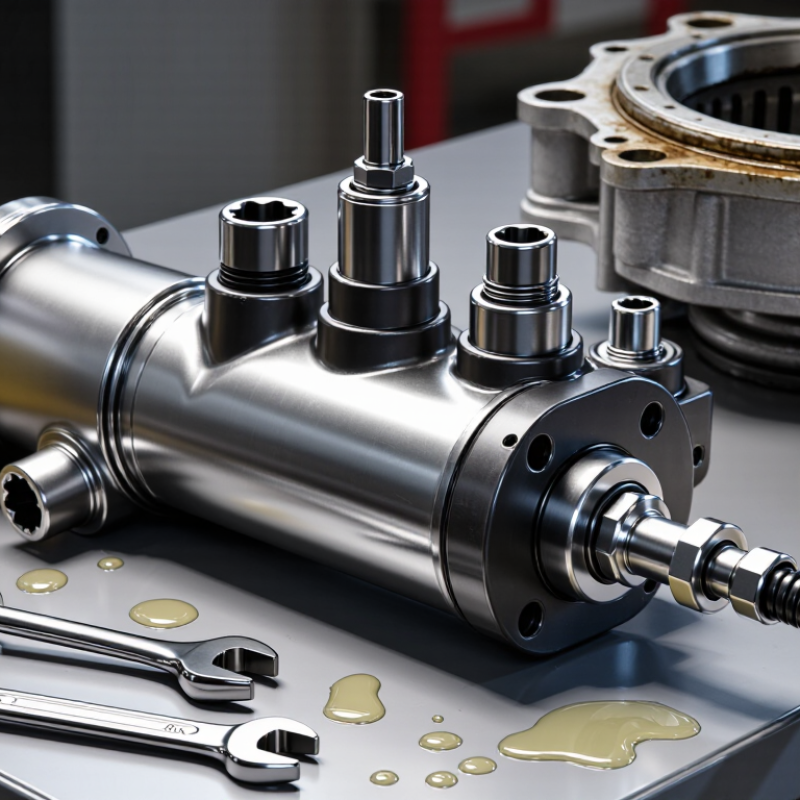
China Best Guide How to Fix a Leaking Clutch Slave Cylinder?

Recognize the Symptoms and Causes of a Leaking Clutch Slave Cylinder

A leaking clutch slave cylinder often announces itself through a soft pedal, a slow return, or trouble selecting gears. Look for these clues. Check beneath the vehicle and around the transmission bellhousing for fresh, slick fluid; some cylinders sit inside the bellhousing, so the leak may remain hidden. A falling reservoir level supports the diagnosis, but it does not prove the slave cylinder is responsible. A worn master cylinder or damaged hydraulic line can produce similar symptoms. If the pedal sinks while held, internal seal bypass is also possible, even without a visible puddle.

Common causes include aged seals, corrosion inside the cylinder, contaminated fluid, and damage during installation. Heat and moisture can reduce fluid performance over time, but fluid condition alone cannot confirm a cylinder failure. The U.S. National Highway Traffic Safety Administration’s FMVSS No. 116 sets minimum wet boiling points of 140°C for DOT 3 fluid and 155°C for DOT 4. These figures describe fluid performance, not leak rates; follow the vehicle’s specified fluid type. A practical inspection should trace dampness from the reservoir and line connections to the slave cylinder. I would not call a diagnosis certain from pedal feel alone. If gears become difficult to engage, avoid forcing the shift and have the hydraulic system inspected promptly.

Gather Tools and Prepare the Vehicle for a Safe Repair

Before touching a leaking clutch slave cylinder, park on firm, level ground and switch off the engine. Let hot parts cool. Apply the parking brake and chock the wheels. If lifting the vehicle, use correctly rated jack stands on approved support points; never rely on a jack alone. Keep the key away from the ignition. No shortcuts here.

The U.S. Bureau of Labor Statistics reported 5,283 fatal work injuries in 2023 in its Census of Fatal Occupational Injuries. That figure covers many industries, not home vehicle repairs, but it underlines why stable support and careful preparation matter. Wear eye protection and gloves, and keep a suitable drain pan nearby.

Gather a service manual, socket set, flare-nut wrench, torque wrench, work light, and the exact hydraulic fluid specified for the vehicle. A flare-nut wrench helps reduce the chance of rounding a stubborn line fitting. Brake fluid can damage paint, so cover nearby panels and wipe spills promptly. Keep it steady. Check whether the slave cylinder is external or inside the bell housing before removing parts; access varies by vehicle. Even careful preparation can miss a detail, so pause and recheck the support points and fluid specification.

Prepare for a Safe Clutch Slave Cylinder Repair

Illustrative planning estimates in minutes, not fixed service times. Actual preparation depends on the vehicle and the repair procedure. Consult the vehicle’s service information, wear appropriate eye protection and gloves, and use jack stands on a firm, level surface if the vehicle must be raised.

Inspect the Clutch System and Confirm the Source of the Leak

A clutch pedal that suddenly feels soft may point to a hydraulic leak, but the slave cylinder is not always the source. Park on level ground, switch off the engine, and let hot parts cool. Check the fluid reservoir and note its level before touching anything. Some vehicles share a reservoir between the clutch and brakes; consult the owner’s manual rather than guessing. Keep fluid off painted surfaces.

Look closely. Use a bright light to inspect the slave cylinder, its rubber boot, and the hydraulic line connections. Fresh, clear-to-amber fluid around the cylinder suggests a leak; grime or old dampness alone is less conclusive. A small wet trail can travel from a loose fitting and make the cylinder look faulty. Wipe the area with a clean cloth, then check again after a short, safe observation period. If the slave cylinder sits inside the bell housing, fluid may appear near the housing opening instead of around an external cylinder. That clue matters, but it is not proof by itself. I would not call the diagnosis certain until the line and nearby fittings are checked too. Avoid driving if the pedal stays down, gears resist, or the fluid level drops. Have a qualified technician inspect it, especially when the leak is hidden or the reservoir also serves the brakes.

China Best Guide: How to Fix a Leaking Clutch Slave Cylinder? — Inspect the Clutch System and Confirm the Source of the Leak

Inspection Area What to Check What the Finding May Indicate Recommended Next Step
Clutch fluid level Check the fluid reservoir and compare the level with its MIN and MAX marks. Some vehicles share a reservoir with the brake system; confirm the arrangement in the owner’s manual. A falling level can indicate a hydraulic leak, but does not identify its location by itself. Do not simply keep topping up the fluid. Inspect the hydraulic system and use only the fluid specification stated by the vehicle manufacturer.
Clutch pedal behavior Note whether the pedal feels unusually soft, sinks, fails to return, or requires pumping before the clutch disengages. These symptoms can result from air in the hydraulic line, low fluid, a failing master cylinder, or a leaking slave cylinder. Check for leaks and have the system diagnosed. Avoid driving if gear selection is unreliable or the clutch does not disengage properly.
External slave cylinder On vehicles with an externally mounted slave cylinder, inspect the cylinder body, dust boot, hydraulic connection, and nearby surfaces for fresh, oily fluid. Fluid emerging from the slave cylinder or collecting beneath it may point to a failed seal or a damaged connection. Clean the area, then recheck for fresh fluid. Repair the confirmed leak; replace the cylinder if its internal seal is leaking.
Concentric slave cylinder Some vehicles place the slave cylinder around the transmission input shaft inside the bell housing. Check for fluid at the bell-housing drain or lower edge, where accessible. Fluid from inside the bell housing may indicate a leaking concentric slave cylinder, but other sources can sometimes produce similar evidence. Confirm the source before repair. Access commonly requires transmission removal, so professional inspection may be appropriate.
Hydraulic line and fittings Inspect the hose or pipe, unions, and connection points for wetness, cracks, corrosion, or damage. A leak at a line or fitting can mimic a leaking slave cylinder and may cause the same low-fluid or soft-pedal symptoms. Repair or replace the damaged line or fitting using the correct parts and procedures for the vehicle.
Clutch master cylinder Inspect around the master cylinder, its hydraulic connections, and the area near the clutch pedal for signs of fluid. A master-cylinder leak can reduce hydraulic pressure and may be mistaken for a slave-cylinder problem. Have the master cylinder and its connections checked before replacing the slave cylinder.
Confirming the source Wipe away residue, inspect the suspected areas again, and trace fresh fluid to its highest visible point. Do not rely on fluid color alone. Fluid can travel along components, so the location where it drips may not be the point where it began. Identify the leaking component before ordering parts or beginning repairs. Follow the vehicle service manual.
Repair and bleeding After replacing a confirmed leaking component, check the specified bleeding procedure and inspect the system for leaks again. Air left in the hydraulic circuit can cause poor clutch operation even after the leak is repaired. Bleed the system as specified for the vehicle, verify pedal operation, and recheck the fluid level and all connections.
Safety and fluid handling Keep hydraulic fluid away from painted surfaces, and use suitable protective equipment when handling it. Clutch hydraulic fluid can damage paint. A low shared brake-fluid reservoir may also affect braking, depending on vehicle design. Wipe spills promptly and follow the vehicle manual. If brake warning lights appear or braking feels abnormal, stop safely and seek assistance.

Note: Vehicle layouts and fluid specifications vary. Use the owner’s manual or service information to confirm the system design, correct fluid, repair procedure, and bleeding method.

Remove the Faulty Slave Cylinder and Install a Replacement

A leaking clutch slave cylinder can leave fluid around the gearbox and make the clutch pedal feel soft. Park on level ground, switch off the engine, and support the vehicle with properly rated stands. Check whether the cylinder is mounted outside the transmission or inside its bell housing; an internal unit may require transmission removal. Follow the vehicle’s service instructions. Clean the area, place a drain pan beneath the connection, and use the correct tools to disconnect the hydraulic line. Cap the line to limit fluid loss. Remove the cylinder and inspect its mounting surface for damage or old seal material.

Tips: Wear eye protection and gloves. Clutch fluid can damage paint, so wipe spills promptly. Keep dirt out of open lines.

Compare the replacement cylinder with the removed part before fitting it. Install the specified seal, seat the unit squarely, and tighten fasteners to the service manual’s torque value. Reconnect the line without cross-threading it. Fill the reservoir with the specified fluid, then bleed the system using the vehicle’s recommended procedure. Keep the reservoir from running dry. It is easy to rush bleeding, but trapped air can leave the pedal spongy. Check for leaks at the connection and cylinder, then confirm the pedal returns normally. Do not drive until the clutch operates consistently and the repair stays dry.

Bleed the Clutch Hydraulic System and Check for Leaks

A soft clutch pedal can come from air in the hydraulic line, but a leaking slave cylinder must be addressed before bleeding. Park on level ground, let the vehicle cool, and use the fluid type listed on the reservoir cap or in the service manual. Brake fluid can damage paint, so wipe spills promptly. Check around the slave cylinder, hose connections, and the floor beneath the transmission for fresh wetness. A clean, dry surface helps reveal new leaks.

To bleed the system, fit a clear hose over the bleed nipple and place its other end in a container. Have a helper press the pedal slowly and hold it down while you briefly open the nipple. Close it before the pedal is released. Repeat, keeping the reservoir above its minimum mark; letting it run dry can draw in more air. Watch for bubbles, then check whether the pedal feels firm and returns normally. Not every system uses this exact method. Some require a different bleeding procedure, so verify the vehicle instructions rather than forcing a stubborn pedal. Recheck the cylinder and fittings afterward. If fluid appears again, bleeding alone will not fix the leak. The pedal can feel better for a moment, which is misleading; inspect it again after a short, cautious test.

FAQS

What are common signs of a leaking clutch slave cylinder?

The pedal may feel soft, return slowly, or sink while held. Gears may become difficult to select. A falling fluid level can support the suspicion, but it is not proof.

Where should I look for clutch fluid?

Check around the slave cylinder, rubber boot, line connections, and beneath the transmission. Fresh, slick fluid is more telling than old grime. Small trails can travel.

Can a hidden slave cylinder leak?

Yes. Some cylinders sit inside the bellhousing, where fluid may appear near its opening. That clue matters, but does not confirm the source.

Could another part cause the same symptoms?

Yes. A worn master cylinder, damaged hydraulic line, or air in the system can also affect pedal feel. I would not diagnose from the pedal alone.

What can cause a slave cylinder to leak?

Seals can age, the cylinder can corrode, and contaminated fluid or installation damage may contribute. Fluid condition alone cannot confirm failure.

What should I check before bleeding the clutch system?

Look for fresh wetness around the cylinder and fittings first. A leak needs attention before bleeding. Use the fluid type specified for the vehicle.

What does bleeding the clutch system involve?

A common method uses a clear hose on the bleed nipple and a helper pressing the pedal slowly. Keep the reservoir above its minimum mark. Some vehicles require a different procedure.

When should I avoid driving and seek an inspection?

Avoid driving if the pedal stays down, gears resist, or the fluid level drops. If the reservoir also serves the brakes, get qualified help promptly.

Conclusion

This guide explains how to fix a leaking clutch slave cylinder by first identifying common warning signs, such as a soft or sinking clutch pedal, difficulty changing gears, or visible hydraulic fluid around the cylinder. It also covers possible causes, including worn seals, damaged components, and loose connections. Before beginning, park the vehicle on a level surface, secure it, allow hot parts to cool, and gather the appropriate tools and replacement parts.

Next, inspect the clutch hydraulic system to confirm the source of the leak rather than assuming the slave cylinder is at fault. Once confirmed, remove the faulty cylinder and install a compatible replacement, following the vehicle’s service instructions. Finish by bleeding the hydraulic system to remove trapped air, then check the pedal operation and inspect all connections for leaks. If the repair is unclear or the clutch still does not work properly, seek help from a qualified technician.

Amelia

Amelia

Amelia is a seasoned marketing professional with a wealth of expertise in our company’s core offerings. With an unwavering passion for driving growth and innovation, she plays a pivotal role in shaping our marketing strategies and enhancing brand visibility. A key aspect of her responsibilities......