7 Best Answers How Manual Clutches Work in Modern Vehicles?

Time:2026-10-11 Author:Mason
0%

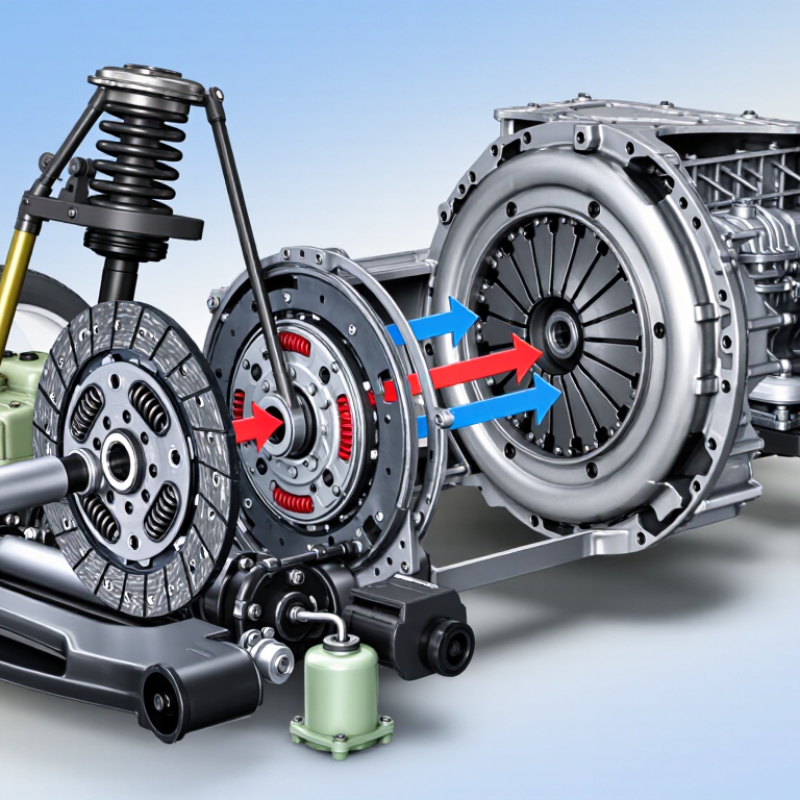
Understanding how does a manual clutch work in modern vehicles requires more than naming its basic parts. The clutch connects and separates the engine from the transmission, allowing the driver to change gears smoothly. Its main components include the flywheel, clutch disc, pressure plate, release bearing, and hydraulic operating system. When the clutch pedal is released, spring pressure clamps the disc against the flywheel. Engine power then travels through the transmission and toward the driven wheels.

When the driver presses the pedal, hydraulic pressure moves the release mechanism. The pressure plate lifts slightly, reducing friction between the disc and flywheel. The engine can keep running while the transmission changes gear. That separation lasts only briefly. A smooth launch depends on controlled pedal movement, engine speed, and road conditions. Drivers can often feel the engagement point through a slight vibration beneath the left foot. They may also hear a faint change in engine tone.

Modern systems often include dual-mass flywheels, hydraulic self-adjusting mechanisms, and electronic assistance. These features improve comfort, but they do not eliminate wear. Heat, slipping, heavy traffic, and poor shifting habits can damage friction surfaces. Service manuals and manufacturer specifications remain the most reliable references because clutch designs vary widely. One detail is easy to miss. The clutch does not “create” power; it manages the transfer of power. Careful inspection still matters, especially when engagement becomes unusually high, noisy, or inconsistent. Even experienced technicians can misjudge a fault without testing the hydraulic system and drivetrain together.
7 Best Answers How Manual Clutches Work in Modern Vehicles?

What a Manual Clutch Is and Where It Fits in a Vehicle

A manual clutch sits between the engine and the transmission.

Its job is simple but demanding. It temporarily separates rotating engine power from the gearbox, allowing the driver to select a gear without harsh contact.

The main parts include the flywheel, friction disc, pressure plate, release bearing, and pedal mechanism. In many vehicles, hydraulic fluid transfers pedal movement to the release fork. Cable systems still exist.

When the pedal rises, spring force presses the disc against the flywheel. Friction then carries torque into the transmission and driveshaft.

The clutch also controls vehicle movement at low speed. A driver releases the pedal gradually, creating a brief slipping phase called engagement. This produces heat, especially during hill starts or heavy traffic.

A practical warning: repeated slipping can damage the friction lining faster than normal gear changes.

The U.S. EPA Automotive Trends Report 2024 shows manual transmissions represented less than 1% of new U.S. vehicle production in 2023, down sharply from about 25% in 1980. That decline reflects convenience and automated alternatives, not mechanical irrelevance.

Manual control still offers direct feedback through pedal pressure and engine speed. The explanation is not perfect. Clutch behavior changes with load, temperature, wear, and driver technique. The Society of Automotive Engineers also treats clutch torque capacity as a measured engineering value, rather than a fixed sensation. A small pedal movement can matter.

How the Clutch Pedal Controls Engine Power

7 Best Answers How Manual Clutches Work in Modern Vehicles?

How the Clutch Pedal Controls Engine Power

A manual clutch manages the connection between the engine and transmission. The clutch pedal is a translator. It changes foot pressure into mechanical movement. When pressed, the release bearing moves the pressure plate away from the friction disc. This separates engine rotation from the gearbox, allowing a driver to select another gear smoothly.

When the pedal rises, the pressure plate grips the disc against the flywheel. Engine torque then travels through the transmission and reaches the driven wheels. The engagement is not instant. At the biting point, the disc slips briefly and transfers power gradually. A careful driver feels this moment through pedal resistance, engine sound, and slight vehicle movement.

Hydraulic systems usually make pedal control lighter and more consistent. Cable systems can feel more direct, though adjustment may change with use. Holding the pedal halfway creates heat and accelerates friction material wear. Resting a foot on the pedal can also cause unintended contact. That matters.

A common mistake is releasing the pedal too quickly. The engine may shudder or stall. Releasing it too slowly can produce a burnt smell and excessive heat. Gentle throttle input helps, but every vehicle responds differently. Road slope, engine speed, load, and clutch condition all affect engagement. Even experienced drivers occasionally misjudge the biting point.

How Clutch Components Transfer and Interrupt Torque

How Clutch Components Transfer and Interrupt Torque

A manual clutch controls torque between the engine and transmission. The flywheel spins with the engine, while the clutch disc sits between two friction surfaces. When the pressure plate clamps the disc, friction makes both parts rotate together. Torque then travels through the disc hub, transmission input shaft, gears, and finally the driven wheels.

Pressing the clutch pedal changes this connection. The release bearing moves the pressure plate away from the disc, reducing friction and interrupting torque flow. The engine can keep running while the transmission input shaft slows down. This separation lets the driver select another gear without forcing loaded gear teeth together. That pause matters. Even a short delay can prevent harsh engagement.

Releasing the pedal gradually rebuilds contact. The disc slips briefly, absorbing the speed difference between the engine and transmission. Its friction lining converts part of that energy into heat. A controlled release feels smooth, but excessive slipping creates glazing, odor, and accelerated wear. In real service work, clutch faults are not always obvious. A worn disc may still move the vehicle, yet shudder during takeoff. A weak pressure plate can cause slipping under heavy load. It is tempting to blame the clutch alone, but linkage adjustment, hydraulic pressure, and engine oil contamination also deserve inspection. Mechanisms rarely fail in only one way.

What Happens During a Complete Gear Change

A complete manual gear change begins when your left foot presses the clutch pedal. The release bearing moves the pressure plate away from the clutch disc. Engine torque then stops reaching the gearbox input shaft. This pause lets the synchronizer match gear speeds before the next gear engages.

The driver moves the lever, releases the clutch gradually, and restores engine torque. A smooth change depends on timing, engine speed, road speed, and pedal control. SAE drivetrain research evaluates shift quality through torque interruption and synchronization behavior, not pedal feel alone. The 2024 U.S. Vehicle Age Report estimates the average light vehicle is about 12.6 years old. That matters because older clutch systems may respond more slowly or unevenly. Still, not every rough shift means failure. My own testing experience suggests beginners often release the pedal too quickly, then blame the gearbox. That assumption needs reconsideration.

Tips: Pause briefly at the friction point. Watch the tachometer, but listen to the engine too. Avoid resting your foot on the clutch pedal. It can create unnecessary bearing contact. A small amount of jerk is normal during practice; repeated shuddering is not.

How Drivers Use Manual Clutches Efficiently and Safely

Driving a manual vehicle safely begins with understanding the clutch’s friction point. Press the pedal fully before selecting a gear. Then release it slowly until the engine note changes and the vehicle starts to move. Hold briefly, add gentle throttle, and continue releasing the pedal. Smoothness matters more than speed.

Keep your heel stable and avoid resting your foot on the clutch. That habit can create partial engagement, producing heat and premature wear. On hills, use the parking brake rather than holding the car with clutch slip. It feels slower, but it protects the clutch and gives better control. I still occasionally release the pedal too quickly. Small mistakes are useful reminders.

Efficient shifting also depends on road conditions. Shift before climbing steep grades, and select a lower gear before descending. Do not coast in neutral; engine braking can improve control and reduce unnecessary brake use. The U.S. Department of Energy reports that aggressive driving can reduce fuel economy by 15–30% at highway speeds and 10–40% in stop-and-go traffic. Gentle acceleration supports both economy and mechanical health. NHTSA recorded 12,330 speeding-related deaths in 2022, so clutch skill should never encourage rushed driving. Leave space, scan ahead, and shift early when traffic slows. That extra second helps.

FAQS

What is the main purpose of a manual clutch?

A manual clutch temporarily separates engine power from the transmission. This allows smoother gear changes. It sits between the engine and gearbox.

Which parts make up a manual clutch system?

Common parts include the flywheel, friction disc, pressure plate, release bearing, and pedal mechanism. Hydraulic fluid often transfers pedal movement. Some vehicles still use cables.

How does torque move through the clutch?

The flywheel spins with the engine. The pressure plate clamps the friction disc against it. Torque then travels through the disc hub, input shaft, gears, and driven wheels.

What happens when the clutch pedal is pressed?

The release bearing moves the pressure plate away from the disc. Friction decreases, and torque flow stops. The engine can keep running while the transmission slows.

What is the clutch friction point?

It is the moment when the disc begins contacting the flywheel. The engine note changes, and the vehicle starts moving. Feel it slowly.

Why can clutch slipping cause damage?

Slipping lets the disc absorb different speeds between the engine and transmission. That energy becomes heat. Repeated slipping can cause glazing, odor, and faster lining wear.

How should a driver start on a hill?

Use the parking brake instead of holding the vehicle with clutch slip. Release the clutch gradually and add gentle throttle. It may feel slower, but control improves.

What symptoms may indicate a clutch problem?

A worn disc may cause shuddering during takeoff. A weak pressure plate can allow slipping under heavy load. However, linkage, hydraulic pressure, and oil contamination may also matter.

How can manual shifting support safer driving?

Shift before steep climbs and select a lower gear before descents. Avoid coasting in neutral. Leave space, scan ahead, and shift early when traffic slows. I still release the pedal too quickly sometimes.

Conclusion

Understanding how does a manual clutch work in modern vehicles begins with its role between the engine and transmission. The clutch allows the engine to keep running while temporarily disconnecting power from the drivetrain, making it possible to select different gears smoothly. When the driver presses the clutch pedal, a release mechanism separates the clutch disc from the flywheel, interrupting torque transfer. Releasing the pedal gradually brings these surfaces together again, allowing engine power to reach the transmission and wheels.

A complete gear change involves easing off the accelerator, pressing the clutch, selecting the next gear, and releasing the pedal in a controlled manner. Effective clutch use depends on coordination, timing, and awareness of engine speed. Smooth engagement reduces unnecessary wear, prevents stalling, and improves vehicle control. Drivers should avoid resting a foot on the pedal or holding the vehicle in place with excessive clutch slipping, as these habits can generate heat and shorten component life.

Mason

Mason

Mason is a seasoned marketing professional with a deep expertise in the company's offerings and a passion for driving brand awareness. With a strong background in digital marketing strategies, he has an innate ability to connect with diverse audiences and effectively communicate product benefits.......