Understanding "what is the difference between a single and dual mass flywheel" is crucial for automotive enthusiasts and professionals alike. According to renowned automotive engineer, Dr. Henry Keller, "The choice between single and dual mass flywheels can significantly impact engine performance and driveability." This statement underscores the importance of knowing the distinctions between these two types of flywheels.
Single mass flywheels are simpler and more robust. They provide a direct connection between the engine and transmission. This can result in a more immediate response when accelerating. However, the vibrations from the engine can be felt more in the cabin. On the other hand, dual mass flywheels are designed to dampen those vibrations. They enhance comfort during driving by using a spring and damping mechanism. Yet, their complexity makes them more prone to failure over time.
It’s clear that each option has its pros and cons. Mechanics and DIY enthusiasts often debate which is superior. The choice greatly depends on the vehicle’s intended use. Those seeking robust performance may prefer single mass flywheels. Meanwhile, drivers valuing comfort might lean towards dual mass systems. Exploring these differences allows for informed decisions. Understanding your needs can lead to a more satisfying driving experience.
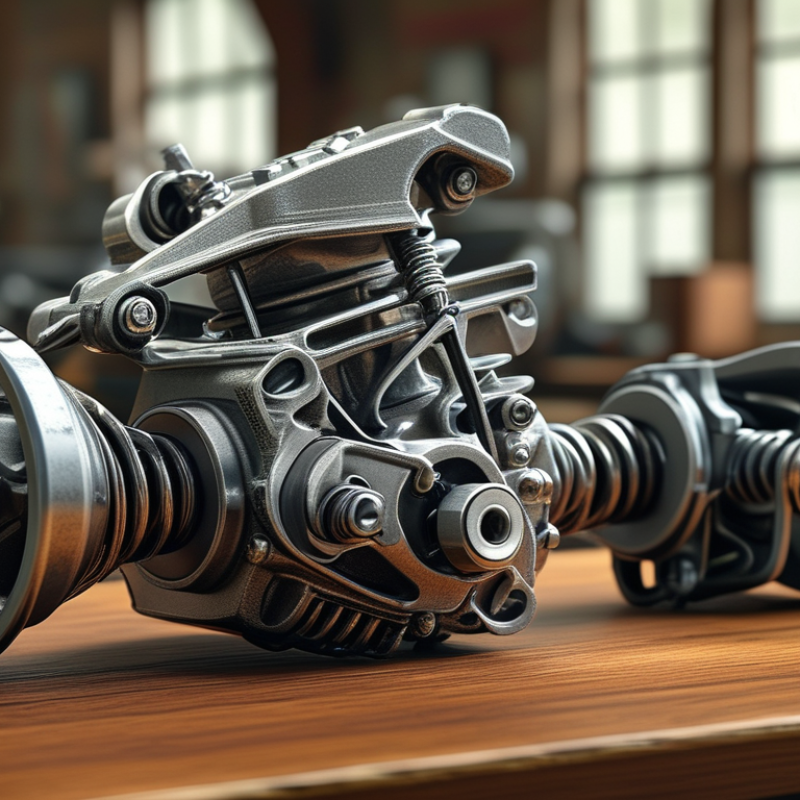
What is a Single Mass Flywheel and How Does It Work?
A single mass flywheel is a crucial component in many engine systems. It plays a key role in storing rotational energy. Typically, it consists of a heavy metal disc that connects to the engine's crankshaft. This design helps to smooth out the engine's power delivery. When the engine runs, the inertia of the flywheel keeps the engine running smoothly between power strokes.
The operation of a single mass flywheel is straightforward. It aids in delivering consistent torque to the transmission. However, this simplicity comes with trade-offs. Single mass flywheels can lead to increased vibrations. They don’t absorb the shocks from the engine as effectively as dual mass options. This means less comfort for the driver, especially at low speeds. Additionally, they can wear out the clutch quicker due to more abrupt engagement.
Despite its limitations, the single mass flywheel is often favored for performance applications. It allows for quicker engine response. Enthusiasts appreciate the direct connection it provides. However, not everyone may prefer this raw experience. The vibrations and noise can be off-putting for some. Understanding these aspects is vital for anyone considering a single mass flywheel in their vehicle.
Understanding Dual Mass Flywheels: Features and Benefits
Dual mass flywheels (DMFs) are becoming increasingly popular in modern vehicles. They serve an essential function in reducing vibrations and noise during operation. According to recent studies, DMFs can cut drivetrain vibrations by up to 40%. This efficiency leads to a smoother driving experience, which is especially vital for today’s performance-oriented cars. The integration of springs in DMFs absorbs shocks better than single mass flywheels. This design not only enhances comfort but also prolongs the lifespan of components.
In terms of fuel efficiency, DMFs can contribute to a notable improvement. Research indicates that vehicles equipped with DMFs can achieve fuel savings of approximately 5-10%. This is significant, especially as fuel prices continue to rise.
Nevertheless, it’s important to consider potential drawbacks. DMFs can be more complex and expensive to replace compared to traditional flywheels. Some mechanics highlight the challenges in installation and potential long-term maintenance. As a result, vehicle owners should weigh the benefits against the downsides before making decisions. Understanding the core features and benefits of dual mass flywheels is crucial for informed automotive choices.
Comparison of Performance: Single vs. Dual Mass Flywheel
When comparing single and dual mass flywheels, the performance differences are significant.
A single mass flywheel is simpler, lighter, and offers a direct drive experience. This can enhance acceleration in performance vehicles. However, it tends to transmit more vibrations to the drivetrain, leading to possible wear and tear over time. As highlighted in a 2021 automotive study, a single mass flywheel can increase engine RPM response by up to 30% compared to its counterpart.
Dual mass flywheels, on the other hand, provide a smoother operation.
They absorb vibrations more effectively thanks to their complex design. This can lead to better fuel efficiency and a comfortable driving experience. Reports indicate that dual mass systems can reduce noise and vibration by around 40%. This is crucial for providing a pleasant ride, especially in luxury vehicles. However, they are heavier and can be more expensive to replace.
Choosing between the two requires careful consideration of your driving style. If quick acceleration is your top priority, a single mass may suit you. If comfort and longevity are concerns, opt for a dual mass flywheel. This decision reflects not just on performance but also on the vehicle's long-term reliability and maintenance needs. Each option has its trade-offs that can affect your overall driving experience.
Advantages and Disadvantages of Single Mass Flywheels
Single mass flywheels (SMFs) are popular for their simplicity and effectiveness in various applications. They generally offer better response times and easier installations, making them appealing for many vehicle owners. SMFs are lighter in weight compared to dual mass flywheels (DMFs), which can result in improved acceleration. However, their rigidity can lead to increased vibrations, especially at lower RPMs. This characteristic might not be ideal for vehicles requiring smooth operation and comfort.
On the downside, SMFs may wear out faster in high-torque situations. The lack of damping effects can result in increased stress on the drivetrain components. This is something that should not be overlooked. While they can provide a more direct connection to the engine, the potential for additional wear is a concern. Vehicle owners must weigh these factors carefully. Is the added responsiveness worth the potential for a rougher ride and quicker wear?
Overall, the choice between single and dual mass flywheels should reflect the driving experience desired. Understanding the advantages and disadvantages of SMFs can guide decisions based on specific requirements. Balancing performance and reliability is key.
Advantages and Disadvantages of Dual Mass Flywheels
Dual mass flywheels (DMFs) are becoming increasingly popular in modern vehicles. They help to reduce engine vibrations and improve comfort. This is done by using two separate masses that allow the flywheel to absorb shocks. However, DMFs also come with their own set of challenges.
One major advantage of dual mass flywheels is their ability to smooth out engine power delivery. This feature enhances driving experience, especially in stop-and-go traffic. However, this technology is not without its drawbacks. DMFs can be more expensive to replace. Their complex design may also lead to additional maintenance issues over time.
Reliability can be a concern. Some drivers report wear and tear sooner than expected. This underscores the importance of regular inspections. In contrast, single mass flywheels are simpler and often last longer but lack the same level of comfort. Choosing the right flywheel depends on individual driving habits and vehicle needs. It's essential to weigh both benefits and potential downsides carefully.
Digital Guide Best Difference Between Single and Dual Mass Flywheel? - Advantages and Disadvantages of Dual Mass Flywheels
| Feature |
Single Mass Flywheel |
Dual Mass Flywheel |
| Weight |
Heavier |
Lighter |
| Vibration Dampening |
Less effective |
More effective |
| Cost |
Generally cheaper |
Generally more expensive |
| Torque Transmission |
Direct |
Progressive |
| Durability |
Long-lasting |
Can wear faster |
| Driving Comfort |
Stiffer |
Smoother |
| Applications |
Performance vehicles |
Modern diesel engines |
FAQS
: A single mass flywheel is a heavy metal disc connected to the engine's crankshaft.
It stores rotational energy and smooths out engine power delivery during operation.
They create more vibrations and can wear out clutches faster.
They absorb shocks better, reducing engine vibrations and improving comfort.
Yes, they can be more expensive to replace and may require more maintenance.
It provides quicker engine response and a more direct driving experience.
Yes, the vibrations and noise may be unpleasant for some drivers.
It depends on driving habits; comfort versus performance is a key consideration.
No, some users report unexpected wear, highlighting the need for regular inspections.
Consider both the benefits and drawbacks based on personal vehicle needs.
Conclusion
In exploring the question of "what is the difference between a single and dual mass flywheel," it is essential to understand their distinct designs and functionalities. A single mass flywheel consists of a single solid piece that provides direct connection and power transfer, making it more straightforward and often lighter. In contrast, a dual mass flywheel features two separate masses linked by springs, designed to reduce engine vibrations and enhance driving comfort, particularly in vehicles with diesel engines.
When comparing performance, single mass flywheels tend to offer quicker responsiveness and are generally more cost-effective. However, they may lead to increased vibrations. On the other hand, dual mass flywheels provide smoother operation and better damping characteristics but can be more expensive and complex. Each type has its own set of advantages and disadvantages, affecting the choice depending on the vehicle's intended use and driver preferences.

 TVC Auto