How to Diagnose a Failing Clutch Master Cylinder Easily?

Time:2026-05-19 Author:Madeline
0%

Diagnosing a failing clutch master cylinder can be challenging. Many drivers overlook this crucial component until it causes significant issues. A malfunctioning clutch master cylinder can lead to gear shifting problems, resulting in a dangerous driving experience. Understanding how to diagnose a failing clutch master cylinder is essential for vehicle maintenance.

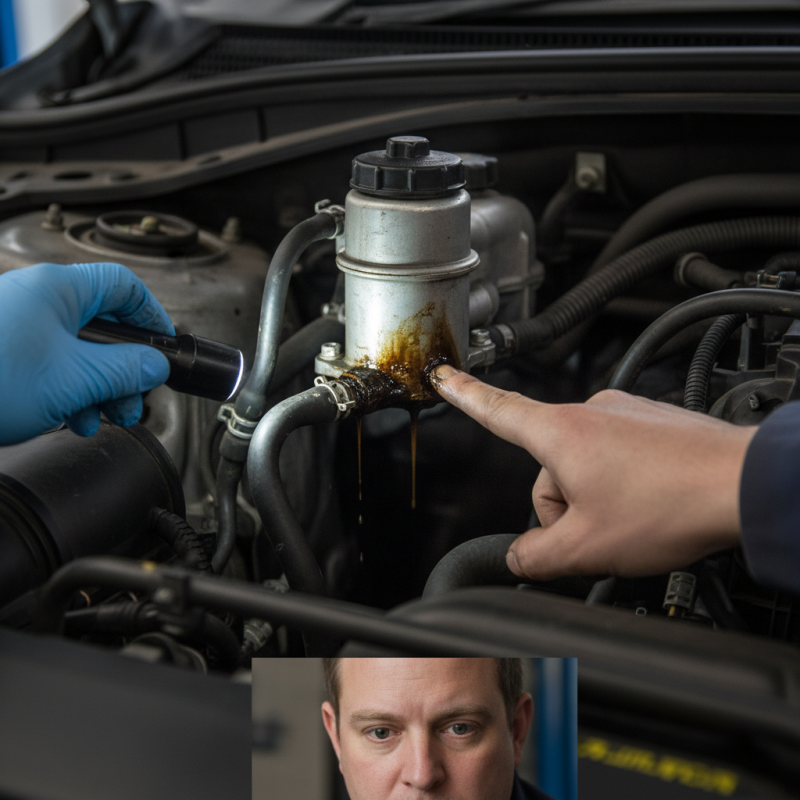
Start by observing any unusual signs while driving. Common symptoms include a spongy clutch pedal and difficulty in gear engagement. If your clutch feels off, it might be time to investigate further. Check for fluid leaks around the master cylinder, as this could indicate a problem. Regular inspections are vital for identifying issues early.

Although diagnosing may seem straightforward, it requires attention to detail. Sometimes, symptoms can mimic other problems, leading to confusion. If unsure, consult with a professional mechanic. Their expertise can save you time and money. Rely on trusted resources for guidance. Taking action now can prevent costly repairs down the road.
How to Diagnose a Failing Clutch Master Cylinder Easily?

Understanding the Role of the Clutch Master Cylinder in Vehicle Functionality

The clutch master cylinder plays a crucial role in a vehicle's transmission system. It works by converting the force from the clutch pedal's depression into hydraulic pressure. This pressure then engages or disengages the clutch, enabling smooth gear transitions. When functioning properly, the clutch system operates seamlessly, allowing drivers to shift gears effortlessly.

A failing clutch master cylinder can lead to noticeable changes in performance. Drivers may experience a spongy clutch pedal, or it may feel unresponsive. Fluid leaks around the cylinder can also indicate failure. A careful inspection is essential. Look for signs of fluid loss and check the pedal's engagement feel. These details can help identify potential issues early.

Understanding these aspects is vital for vehicle maintenance. An unreliable clutch can disrupt driving experiences. Regular checks and addressing any warning signs can enhance vehicle longevity. Trust in your knowledge and instincts when it comes to these mechanical systems. It's always better to be proactive than reactive. This way, you can ensure safe and efficient driving.

Common Symptoms of a Failing Clutch Master Cylinder

A failing clutch master cylinder can lead to major driving issues. It’s crucial to recognize the symptoms early. One common sign is difficulty in engaging gears. Drivers may experience resistance when shifting. This can feel like the clutch pedal is stuck or doesn’t respond as it should.

Another symptom to watch for is a soft or spongy clutch pedal. When the pedal feels unusually loose, it may indicate air in the hydraulic system. A sudden loss of pressure can cause the pedal to drop to the floor, making it impossible to shift gears. Additionally, fluid leaks around the master cylinder are a red flag. If you notice fluid pooled beneath the vehicle, it’s time to investigate further.

Unusual sounds can also indicate problems. Grinding noises during gear changes might signal a faulty cylinder. Keep an ear out for these signs. It’s easy to overlook minor issues, but they can lead to bigger problems. Monitoring the performance of your clutch system will help you catch these symptoms early. Ignoring them could result in even more costly repairs down the line.

Common Symptoms of a Failing Clutch Master Cylinder

Step-by-Step Guide to Diagnosing Clutch Master Cylinder Issues

When diagnosing a failing clutch master cylinder, begin with visual inspections. Look for signs of hydraulic fluid leaks near the clutch pedal and under the vehicle. A significant drop in fluid levels often indicates a problem. Pay close attention to the condition of the reservoir. If it's cracked or dirty, it may need replacement.

Next, test the clutch pedal feel. A spongy or soft pedal often points to air in the system. To check for air, pump the pedal several times, then hold it down. If it sinks slowly, the master cylinder may be failing. Listen for any strange noises as you operate the pedal. Odd sounds can indicate internal damage.

Tips: Regular maintenance of the hydraulic system can prevent issues. Always keep an eye on fluid levels. If you notice rapid drops, investigate immediately. Furthermore, remember that patience is key in this process. Sometimes, multiple tests are needed to reach a conclusion. Don't rush to replace parts without confirming the issue.

Check your vehicle's service manual for specific diagnostics. Relying on professional guides ensures accuracy. If you're unsure about any steps, consult a qualified mechanic. Trusting experts can save you time and money in the long run.

Tools and Equipment Needed for Clutch Master Cylinder Diagnosis

Diagnosing a failing clutch master cylinder requires the right tools and equipment. At a minimum, you need basic hand tools. A wrench set is crucial for loosening and tightening bolts. A multimeter can help check for electrical issues. You may also need a brake fluid tester to assess fluid quality.

A hydraulic line wrench is helpful for removing lines without damage. A clear container can catch old fluid during the process. A flashlight enables precise inspections in tight spaces. It’s beneficial to have a mechanic's stethoscope on hand. This tool helps listen for abnormal sounds during operation.

Make sure you have safety goggles and gloves. Safety is essential when working on a vehicle. Always ensure the area is well-ventilated. Sometimes, even a qualified mechanic might overlook subtle clues. Take your time and double-check your findings. Documentation can help track your observations. Reflecting on your method can lead to improvement.

How to Diagnose a Failing Clutch Master Cylinder Easily? - Tools and Equipment Needed for Clutch Master Cylinder Diagnosis

Tool/Equipment Description Purpose Recommended Use
Brake Fluid Hydraulic fluid for the clutch system To check for fluid levels and quality When inspecting the master cylinder
Wrench Set Various size wrenches To remove and install components For accessing the master cylinder
Vacuum Pump Device to create vacuum in hydraulic system To bleed the clutch system When bleeding air from the system
Multimeter Electrical testing device Check electrical signals for sensors Diagnosing pressure sensors
Rags Cleaning cloth To wipe off spills and check for leaks During inspection and maintenance

When to Seek Professional Help for Clutch Master Cylinder Problems

Clutch master cylinder issues can be tricky. Recognizing when to seek help is crucial for your vehicle's safety and performance. If you notice your clutch pedal feeling spongy or unresponsive, don't ignore it. These signs often indicate a failing clutch master cylinder. Additionally, any fluid leaks near the pedal area should raise a red flag. Addressing these problems early can save you from costly repairs down the road.

Professional mechanics have the tools and expertise to diagnose clutch issues accurately. If you're unsure about the problem, it's wise to consult a professional. They can perform pressure tests and inspect the entire system. When the clutch engages or disengages unexpectedly, this is another signal. Experts can assess the situation and provide a reliable solution. Lastly, trust your instincts. If something feels off while driving, it's worth getting checked. Ignoring the signs can lead to more significant damage and safety risks.

FAQS

: What is the function of the clutch master cylinder?

: It converts pedal force into hydraulic pressure for gear transitions.

How can I tell if my clutch master cylinder is failing?

Look for a spongy pedal feel or fluid leaks near the cylinder.

What should I inspect first when diagnosing issues?

Start with visual checks for hydraulic fluid leaks under the vehicle.

Why is regular maintenance important for the hydraulic system?

It helps prevent issues and ensures safe vehicle operation over time.

What tools do I need for diagnosing the clutch master cylinder?

Basic hand tools, a wrench set, and a brake fluid tester are essential.

How can I ensure accurate diagnosis?

Follow your vehicle's service manual and consider consulting a mechanic.

What happens if I ignore warning signs?

Neglecting them can lead to serious performance issues and costly repairs.

Is patience crucial during diagnosis?

Yes, multiple tests may be required to confirm the exact problem.

How can I check for air in the system?

Pump the pedal and hold it down; slow sinking may indicate a failure.

Should I document my findings during inspections?

Yes, it helps track observations and reflects on your diagnostic process.

Conclusion

Diagnosing a failing clutch master cylinder is crucial for maintaining vehicle functionality. The clutch master cylinder plays a key role in the hydraulic system, enabling smooth gear transitions. Common symptoms of failure include difficulty in shifting gears, a spongy or unresponsive clutch pedal, and fluid leaks around the cylinder. To determine if the clutch master cylinder is the issue, one can follow a step-by-step guide that involves inspecting the hydraulic fluid, checking for leaks, and testing pedal response.

For effective diagnosis, specific tools and equipment are necessary, such as a pressure gauge and fluid tester. If these steps seem daunting or the problem persists, it is advisable to seek professional help for clutch master cylinder problems. Understanding how to diagnose a failing clutch master cylinder can save time and prevent further complications in the vehicle's performance.

Madeline

Madeline

Madeline is a dedicated marketing professional with a wealth of expertise in our company's core offerings. With a keen understanding of the industry, she brings a unique perspective to her role, consistently delivering high-quality content that highlights the superior aspects of our products. As......