How to Convert Dual Mass Flywheel to Single Mass System?

Time:2026-06-27 Author:Charlotte
0%

Converting a dual mass flywheel to a single mass system offers several advantages. Many car enthusiasts and mechanics consider this modification for its simplicity and efficiency. However, it requires careful planning and precision.

When contemplating how to convert from a dual mass to a single mass flywheel system, understanding the benefits is essential. A single mass flywheel is typically lighter, promoting quicker engine response and acceleration. This can lead to a more exhilarating driving experience. Yet, some may overlook potential drawbacks. Increased vibrations and noise could affect comfort, and certain vehicles may not be compatible.

Preparation is key. Researching your specific engine model and ensuring compatibility with parts is crucial. Many forums and experienced mechanics can provide insights. Remember, this task demands a clear understanding of mechanical systems. Without proper knowledge, mistakes can happen. Embrace the learning process. Each step taken to modify is not just about the outcome but also the experience gained along the way.
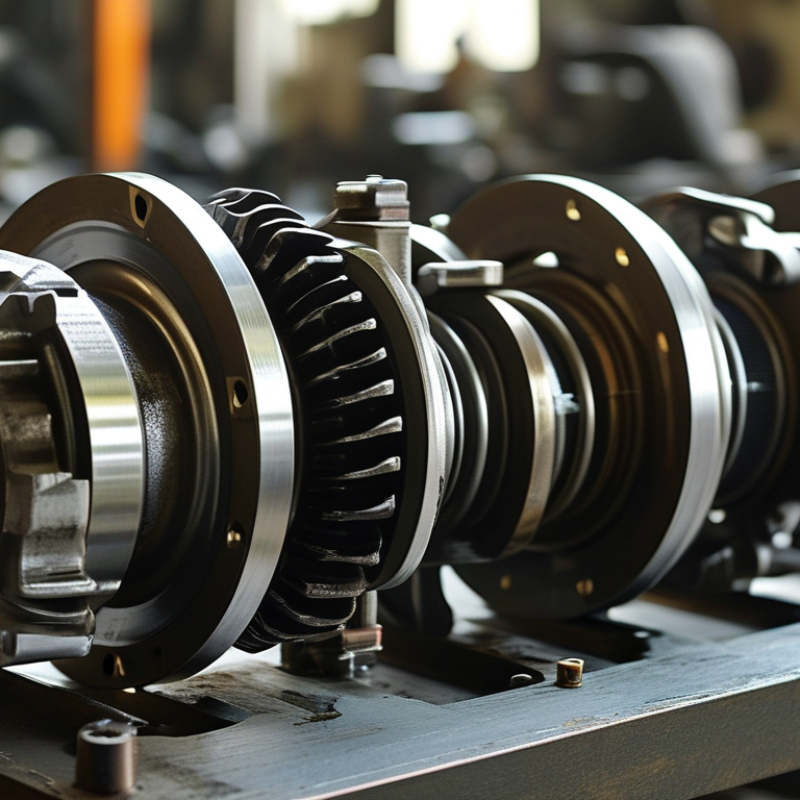
How to Convert Dual Mass Flywheel to Single Mass System?

Benefits of Converting to a Single Mass Flywheel System

Converting to a single mass flywheel system offers several tangible benefits. Many car enthusiasts prefer this upgrade for its lightweight design and improved performance. A single mass flywheel is generally smaller and less complex, resulting in lower installation costs. Fewer components mean reduced chances of failure, improving reliability.

Another advantage is the responsiveness of the engine. A single mass flywheel enhances throttle response, allowing for quicker acceleration. This is particularly noticeable during high-rev applications. Drivers often report a more engaging driving experience. However, the trade-off includes increased vibrations. This can be uncomfortable for daily driving, but many consider the trade-off worth it.

Moreover, maintenance becomes easier. Fewer parts imply less wear and tear over time. This is especially important for performance vehicles. However, enthusiasts should consider their specific needs. A single mass flywheel may not suit everyone, especially those prioritizing comfort over performance. If you're considering this conversion, weigh your options carefully.

Benefits of Converting to a Single Mass Flywheel System

Understanding Dual Mass vs. Single Mass Flywheel Mechanisms

When comparing dual mass and single mass flywheel mechanisms, understanding their functions is essential. A dual mass flywheel (DMF) is designed to dampen vibrations from the engine. It has two masses that can move independently, reducing shock loads on the transmission. This mechanism enhances driving comfort and minimizes wear on components.

In contrast, a single mass flywheel (SMF) is simpler. It consists of a single solid component. While it may be more durable and less costly, it transmits vibrations directly from the engine. This can lead to a less smooth driving experience. Owners often notice more vibrations with an SMF, which can be uncomfortable. However, this system is generally lighter, allowing for quicker engine response.

Switching from a DMF to an SMF can be challenging. It requires careful consideration of compatibility with existing components. Drivers might appreciate the direct feel of an SMF but may also regret the increased vibrations. It's essential to weigh these factors based on individual driving preferences. Adapting to a new system involves adjusting one's driving style, which can lead to some initial discomfort.

Step-by-Step Process for Conversion to Single Mass Flywheel

Converting a dual mass flywheel to a single mass system can enhance engine responsiveness and reduce weight. The process, however, requires precision and understanding of vehicle dynamics. According to industry reports, a single mass flywheel can provide better power transfer efficiency, achieving up to 10% more torque delivery. This makes it a popular choice for motorsport applications.

Begin by gathering essential tools: a socket set, torque wrench, and flywheel puller. Safety is paramount; ensure the vehicle is secure during work. Start by disconnecting the battery and removing the transmission. Pay attention to the flywheel's position and state. If it’s worn or damaged, it may compromise the performance of the new system. Experts note that a single mass flywheel often introduces more vibrations. While some drivers appreciate the increased engagement, others may find it challenging.

After replacing the dual mass flywheel, recalibrate the engine settings. This step is crucial to ensure smooth operation and minimize potential issues. Mechanics report that improper setup can lead to premature wear on components. Test the vehicle under various conditions after the conversion. Look for changes in responsiveness and vibration levels. Documenting these observations will help refine future conversions.

How to Convert Dual Mass Flywheel to Single Mass System? - Step-by-Step Process for Conversion to Single Mass Flywheel

Step Number Procedure Tools Needed Estimated Time
1 Disconnect the battery and remove the transmission. Socket set, wrench set 2 hours
2 Remove the dual mass flywheel from the engine. Flywheel puller, impact wrench 1 hour
3 Inspect the clutch and pressure plate. Inspection tools 30 minutes
4 Install the single mass flywheel. Torque wrench, alignment tool 1 hour
5 Reinstall the transmission and reconnect battery. Socket set, miscellaneous tools 2 hours
6 Test the vehicle performance and check for any issues. Diagnostic tool 1 hour

Key Tools and Materials Needed for Conversion

Converting a dual mass flywheel to a single mass system can enhance performance. But it requires specific tools and materials. To start, you'll need basic mechanical tools. A socket set, wrenches, and screwdrivers are essential. Don’t overlook a torque wrench for precise fitting.

Next, gather specialized items. A flywheel puller can simplify removal. It's critical to have a new single mass flywheel and clutch kit on hand too. Ensure components are compatible with your vehicle model. For best results, a shop manual is invaluable. It offers insights into the installation process.

Expect challenges during the conversion. Aligning parts can be tricky. Ensure the new flywheel is properly balanced. Misalignment can lead to premature wear. Remember, this project requires patience and careful attention to detail. Each step matters for a successful outcome.

Industry Insights: Performance Gains and Longevity Expectations

Converting a dual mass flywheel to a single mass system has become increasingly popular among performance enthusiasts. Industry insights reveal that this switch can lead to weight reductions of up to 25%, which significantly enhances acceleration and responsiveness. Research from the Automotive Engineering Society indicates that a lighter flywheel leads to a 10-15% improvement in power delivery efficiency during gear shifts.

However, the longevity expectations of these systems deserve scrutiny. A single mass flywheel can wear faster, especially under aggressive driving conditions. According to data from the International Journal of Automotive Technology, single mass setups may show signs of fatigue within 30,000 miles under high-stress applications. This contrasts sharply with dual mass flywheels, which can often endure up to 100,000 miles in similar scenarios.

Drivers should weigh the trade-offs carefully. While performance gains are attractive, they come at the risk of increased wear and potential replacement costs. Further analysis points out that the absence of damping features in single mass systems can lead to higher stress on drivetrain components, possibly compromising overall vehicle longevity. It's essential to consider your driving style before making a decision.

FAQS

: What is a single mass flywheel system?

: A single mass flywheel system is a lightweight, simpler alternative to traditional flywheels.

What benefit does it offer in terms of performance?

It improves throttle response and allows quicker acceleration, especially during high-rev driving.

Are there any downsides to using a single mass flywheel?

Yes, increased vibrations can make daily driving uncomfortable for some users.

How does installation cost compare to dual mass systems?

Installation costs are generally lower due to fewer components in a single mass system.

How does weight reduction affect vehicle performance?

Weight reductions of up to 25% can enhance acceleration and improve power delivery efficiency by 10-15%.

What are the longevity expectations for single mass flywheels?

They may wear faster under aggressive driving, showing signs of fatigue within 30,000 miles.

How do single mass flywheels affect drivetrain components?

The lack of damping features can increase stress on drivetrain components, potentially reducing longevity.

Should every driver switch to a single mass flywheel?

Not necessarily; it may not suit those who prioritize comfort over performance.

Is maintenance easier with single mass systems?

Yes, fewer parts result in less wear and tear, making maintenance simpler over time.

What should drivers consider before converting?

Analyze your driving style and weigh performance gains against potential wear and replacement costs.

Conclusion

Converting from a dual mass to a single mass flywheel system offers several advantages, including improved engine responsiveness and enhanced durability. Understanding the fundamental differences between these two flywheel mechanisms is essential before undertaking the conversion. A dual mass flywheel is designed to absorb vibrations and provide a smoother driving experience, while a single mass flywheel is generally lighter and offers more direct power transfer.

The step-by-step process for conversion involves precise planning and execution, utilizing specific tools and materials necessary for the task. Industry insights suggest that while performance gains can be significant, it’s also important to consider the longevity expectations of a single mass system, as they can differ based on usage and driving conditions. This guide provides a comprehensive look at how to convert from a dual mass to a single mass flywheel system, ensuring a successful upgrade for better performance.

Charlotte

Charlotte

Charlotte is a seasoned marketing professional with a deep understanding of the company's portfolio and a passion for elevating its presence in the market. With a keen eye for detail and a commitment to excellence, she ensures that our professional blog is regularly updated with insightful articles......