Top 10 Reasons Your Clutch Slips in High Gears or Uphill

Time:2026-11-24 Author:Aria
0%

Clutch slip can be confusing when the car feels normal on level roads but loses pull in a high gear or on a hill. You may press the accelerator, hear the engine rev higher, and see little change in road speed. A faint burnt-paper smell after a steep climb can be another warning sign. These symptoms often become clearer under load, when the clutch must transfer more engine torque to the wheels. Not always.

If you’re asking, “why does my clutch only slip in high gears or uphill,” the answer may involve a worn friction disc, a weak pressure plate, oil contamination, or an adjustment problem. Driving habits and vehicle design can also affect when slipping becomes noticeable. A single symptom cannot confirm the cause, and replacing parts without inspection can waste time and money. That matters.

This guide covers ten common reasons a clutch slips under these conditions, along with clues that can help distinguish them. Notice whether the engine speed rises without matching acceleration, whether the problem worsens as the clutch warms, and whether the pedal feels unusually soft or high. These observations are useful, but they are not a substitute for diagnosis. If slipping is severe, avoid hard acceleration and steep climbs, then have a qualified mechanic inspect the clutch and related components. Even experienced drivers can misread the signs. The details matter.
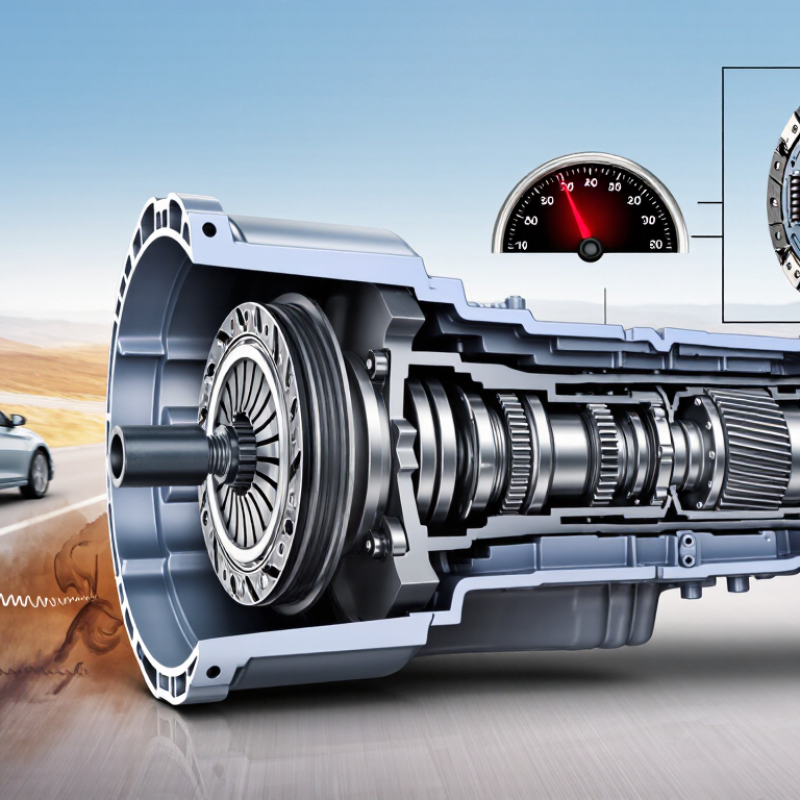
Top 10 Reasons Your Clutch Slips in High Gears or Uphill

Why High Gears and Uphill Loads Reveal Clutch Slip

A clutch can seem fine on level roads, then slip when the engine faces a heavier load. In a high gear, pressing the accelerator asks the clutch to transfer substantial torque while engine speed is relatively low. On a hill, gravity adds resistance, and the driver may apply more throttle to maintain speed. A worn friction surface, weak pressure plate, or oil contamination can then let the engine rev faster than the wheels turn.

Watch for a mismatch: the tachometer climbs, but road speed barely changes. The symptom may be clearest during a gentle uphill acceleration, not during ordinary cruising. That matters. A burning smell after repeated slipping is a warning, but it does not identify the exact failed part. Gear selection, engine performance, and road conditions can also confuse the picture. Don’t keep forcing the car uphill to confirm it; extra heat can quickly worsen clutch damage. A technician can inspect for leaks and wear, then check clutch operation under controlled conditions. I’d avoid calling one brief flare a diagnosis. Repeated, load-related slipping deserves attention, especially if engagement feels unusually high or the pedal behavior has changed.

Ten Causes: Worn Linings, Oil, Weak Springs, and Incorrect Adjustment

A slipping clutch often shows itself when the engine revs rise but road speed barely changes. High gears and steep hills make the symptom clearer because the clutch faces greater load. The pedal may feel normal. That can be misleading.

Ten common causes deserve attention: worn friction linings, oil from a leaking engine or gearbox seal, weak pressure springs, and incorrect pedal free-play adjustment. Glazed linings from repeated overheating can lose grip. A warped pressure plate may clamp unevenly. Damaged diaphragm fingers can reduce spring pressure. A worn release bearing or sticking hydraulic mechanism may keep the clutch partly disengaged. A damaged flywheel surface can prevent even contact. Incorrectly matched clutch parts may also cause poor clamping. The list is not a diagnosis.

Look for oil traces near the bell housing, a burnt smell after climbing, or a sudden change in pedal travel. Do not keep testing the clutch with hard acceleration; heat can worsen the damage. Adjustment checks should follow the vehicle’s service specifications, since too little free play may hold pressure off the plate. It is easy to blame the linings too quickly. A technician can inspect for leaks, measure wear, and check the pressure plate and flywheel before replacing parts.

Clutch Torque Capacity: T = nμFR; a Single-Plate Clutch Has n = 2

Clutch torque capacity is estimated with T = nμFR: n is the number of friction interfaces, μ the friction coefficient, F the clamp force, and R the effective friction radius. A single-plate clutch has two working faces, so n = 2. SAE International technical papers on clutch friction materials assess μ under defined operating conditions; it is not a fixed value for every lining. The equation is a model, not a guaranteed road rating.

With the other variables unchanged, a 10% drop in μ or clamp force means roughly 10% less theoretical torque capacity. That matters uphill or in a high gear, when the engine may demand more torque than a worn, overheated clutch can transmit. Heat can alter friction behavior; glazing or weak clamping can shrink the margin further. Small losses add up. One hill pull alone is not proof of failure.

Tip: Note when slip occurs, then check for a rising engine speed without matching vehicle acceleration. Record the gear, incline, and whether the clutch smells hot. Have a qualified technician inspect wear, adjustment, and hydraulic operation before replacing parts.

Stepwise Diagnosis: Compare RPM-to-Speed Changes and Check OEM Free Play

A clutch often slips under load before it slips during gentle driving. On a safe, level road, select a higher gear and note engine RPM and road speed at steady throttle. Repeat at the same speed and gear. If RPM rises sharply while speed barely changes, the clutch is not transferring torque cleanly. For example, 3,000 rpm rising to 3,600 rpm while speed changes from 50 to 51 mph is a clear mismatch, not a universal pass-or-fail threshold. Stop the test if the engine races or the vehicle behaves unpredictably.

Next, check pedal free play using the vehicle’s OEM service manual. Measure at the pedal as specified; do not apply a generic clearance value. Some hydraulic systems use different procedures, and a small measurement error can mislead. SAE International engineering literature describes clutch torque capacity in relation to friction, clamping force, and effective radius. That is why a pedal with too little free play may prevent full clamping and worsen slip uphill. Record the measured value and compare it with the manual’s stated range.

Also inspect for a burning odor, fluid leakage, or a pedal that fails to return fully. These clues do not prove one fault. Heat can temporarily change symptoms, which makes a quick road test imperfect. Still, matching RPM and speed notes with the OEM free-play specification gives a technician useful evidence before parts are replaced.

Repair and Verification: Match Rated Torque Capacity and Retest Under Load

Repair starts with the clutch’s rated torque capacity, not guesswork. SAE International technical literature models friction-clutch capacity using friction coefficient, clamp force, effective radius, and the number of friction surfaces. A higher engine torque demand can exceed that capacity, especially in a high gear or on a steep grade. Check the vehicle’s engine torque specification, then compare it with the clutch assembly’s documented rating. Confirm the correct disc, pressure plate, release system, and flywheel setup are installed. Small mismatches matter. A torque rating alone can mislead if the friction surfaces are worn, contaminated, or heat-damaged.

Retest under controlled load after repair. Record engine speed and road speed during a repeatable acceleration test, preferably on a suitable dynamometer or safe test route. If engine rpm rises without a matching increase in vehicle speed, the clutch may still be slipping. SAE friction-clutch engineering references also describe heat and friction behavior as key performance factors, so a brief cold test is not enough. Repeat after the assembly reaches operating temperature, and compare results with the vehicle’s rated torque demand. Inspect for oil traces, glazing, and uneven contact if slip returns. The test is not perfect; tire grip and temperature can affect readings. Document conditions, readings, and any adjustment before releasing the vehicle.

Top 10 Reasons Your Clutch Slips in High Gears or Uphill — Repair and Verification: Match Rated Torque Capacity and Retest Under Load

# Possible Reason Common Clues How to Verify Repair and Load-Test Check
1 Worn friction lining Engine speed rises without a matching increase in vehicle speed, especially during acceleration or uphill driving. Inspect clutch disc thickness and lining condition against the vehicle service specifications; check for uneven wear or exposed rivets. Replace worn components as required. After installation, confirm normal engagement and check for engine-speed flare during a controlled uphill or loaded test.
2 Oil or grease on the friction surfaces Slipping may be intermittent and can be accompanied by an oily odor or visible contamination. Inspect the clutch disc, flywheel, and pressure plate for oil or grease. Check engine and transmission seals and the input-shaft area for leaks. Repair the source of the leak and replace contaminated friction parts as needed. Retest under load only after the leak and contamination have been addressed.
3 Overheating or glazed friction surfaces Slipping may follow repeated heavy starts, towing, riding the clutch, or prolonged operation on steep grades; a burnt odor may be present. Inspect for shiny, hardened, discolored, or heat-damaged friction surfaces and check related parts for heat damage. Replace damaged components and correct the operating or mechanical cause of overheating. Verify engagement after the parts have cooled and the repair is complete.
4 Weak or damaged pressure plate Clamping force may be insufficient under high engine load even if the clutch operates acceptably during light driving. Inspect the diaphragm spring, cover, and contact surfaces; use the specified service procedure to assess component condition. Replace a pressure plate that is outside service limits or damaged. Confirm that the clutch holds during a gradual, controlled load test.
5 Clutch capacity is too low for engine torque Slipping can begin after an engine modification, increased torque output, or a change in vehicle use such as heavier towing. Compare the clutch assembly’s documented torque capacity with the engine’s maximum torque and the vehicle’s intended duty. Do not rely on horsepower alone. Select a compatible assembly with adequate rated torque capacity for the actual application. Follow the maker’s break-in instructions, then retest under load.
6 Incorrect adjustment or release-system preload A cable-operated clutch may have insufficient free play; a release bearing held against the diaphragm spring can prevent full clamping. Check cable free play or release-system dimensions against vehicle specifications. Hydraulic systems may use self-adjusting arrangements, so follow the correct procedure. Adjust or repair the release system to specification. Verify that the clutch fully engages and disengages without persistent release-bearing preload.
7 Flywheel surface damage or incorrect machining Judder, uneven engagement, or recurring slip may occur if the flywheel is warped, heat-damaged, or outside dimensional limits. Measure runout and inspect the surface, step height, and thickness against the vehicle and component specifications. Machine only where permitted and within specified limits, or replace the flywheel. Confirm correct surface finish and dimensions before assembly.
8 Incorrect installation or mismatched components The problem may start immediately after clutch work, or the release and engagement behavior may be abnormal. Check component compatibility, disc orientation, alignment, fastener procedure, and release-bearing or fork installation against service information. Correct assembly errors and replace damaged parts. Confirm smooth pedal operation, correct release, and secure torque holding during a controlled retest.
9 Release bearing, fork, or hydraulic fault preventing full engagement A sticking pedal, slow return, abnormal pedal feel, or persistent release pressure may keep the clutch partly disengaged. Inspect the pedal mechanism, fork, bearing, slave cylinder, and hydraulic line for binding, leakage, or improper movement. Repair the faulty component, bleed the system where required, and confirm full pedal return and correct release-system travel before load testing.
10 Clutch disc or related parts damaged by repeated slip Slip may persist after the original cause is addressed if the disc, pressure plate, or flywheel has sustained heat or structural damage. Inspect the complete clutch assembly for cracking, distortion, loose linings, damaged springs, and heat spotting; check all parts against service limits. Replace any damaged or out-of-specification parts as a compatible set where required. Verify rated capacity, correct operation, and torque holding under load.

Verification note: High gears and uphill driving increase the load on the clutch, so they can make a marginal clutch slip more apparent. Diagnose the cause before replacing parts, use vehicle-specific specifications, and perform any load test safely in a controlled setting. Stop testing if slipping, overheating, or a burning smell occurs.

FAQS

Why does clutch slip show up in a high gear?

High gears can place heavy torque demand on the clutch at low engine speed. The tachometer may climb while road speed barely changes. One brief flare is not proof.

Why can a hill make slipping easier to notice?

Gravity adds resistance, so the driver may press the accelerator harder. A gentle uphill pull can reveal slipping that ordinary cruising hides. Don’t keep testing it.

What are common causes of clutch slip?

Worn linings, oil contamination, weak pressure springs, or incorrect pedal free play can reduce grip. Glazed surfaces, a warped pressure plate, or damaged flywheel can also contribute.

Can the pedal feel normal even when the clutch slips?

Yes. Pedal feel may stay ordinary, which can be misleading. A changed pedal travel or unusually high engagement point is still worth noting.

What does a burning smell tell me?

It can signal overheating after repeated slipping. It does not identify the failed part. A smell after a hill climb deserves attention.

Should I keep accelerating hard to confirm the problem?

No. Extra heat can worsen clutch damage. Record when the symptom occurs, then arrange an inspection rather than repeating hard tests.

How should a technician check the clutch?

They can inspect for oil near the bell housing and check lining wear, pressure plate, flywheel, and release system. Adjustment should follow the vehicle’s service specifications.

How can a repair be verified?

Compare engine speed with road speed during a controlled load test. Retest when the assembly is warm, and note temperature and conditions. The readings are not perfect; tire grip can affect them. I may be overreading one brief flare.

Conclusion

Clutch slip often appears first in high gears or on steep hills because these conditions demand more torque from the clutch. A worn friction lining, oil contamination, weak pressure springs, overheating, or incorrect adjustment can reduce its ability to hold. Other possible causes include a damaged pressure plate or flywheel, a dragging release mechanism, unsuitable replacement parts, and excessive engine torque. Clutch capacity can be estimated with T = nμFR, where n is the number of friction surfaces, μ is the friction coefficient, F is clamping force, and R is the effective radius. A typical single-plate clutch has n = 2.

To investigate “why does my clutch only slip in high gears or uphill,” compare engine RPM with vehicle speed under consistent conditions: rising RPM without a matching increase in speed suggests slip. Then check the clutch’s free play against the vehicle’s service specifications and inspect for wear, contamination, or damage. Repair the underlying cause, confirm the replacement clutch’s rated torque capacity suits the vehicle, and retest under load to verify that engagement is reliable without persistent slip.

Aria

Aria

Aria is a dedicated marketing professional with a deep passion for innovative strategies and a keen understanding of our company's product offerings. With a wealth of experience in the industry, Aria excels at crafting engaging content that highlights the unique features and benefits of our......