Experiencing a soft or spongy clutch can be frustrating. You may wonder why does my clutch feel soft or spongy? This issue is common among drivers and often signals underlying problems. Understanding these problems is essential to ensure safe driving and proper vehicle maintenance.
Clutch issues can stem from various reasons. Worn-out components, fluid leaks, or air in the hydraulic system can all play a role. Each of these problems requires attention. For instance, worn clutch plates may greatly impact the feel of your clutch. This can lead to difficulties in shifting gears.
Another factor involves the hydraulic system. A leak can quickly cause the clutch pedal to feel less responsive. Air bubbles trapped in the hydraulic lines can create a spongy feel. Recognizing these nuances helps you seek expert advice promptly. Ignoring them may exacerbate the issue. This emphasizes the need for regular inspections. Your clutch’s health is vital for a smooth driving experience.
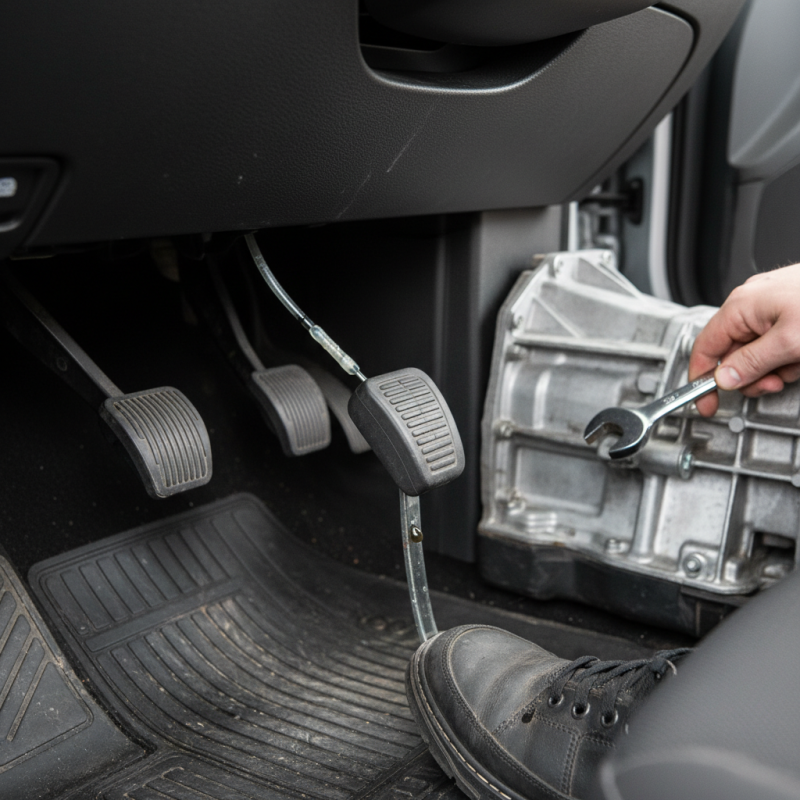
The feel of a car's clutch plays a vital role in driving confidence. A soft or spongy clutch can lead to uncertainty while shifting gears. Understanding this dynamic begins with recognizing the differences between softness and sponge-like behavior. A soft clutch often signifies a potential issue with the hydraulic system, like low fluid levels. In contrast, a spongy feel may result from air trapped in the lines, causing delayed engagement.
To diagnose clutch feel, start by checking fluid levels. If they are low, top them up and monitor for leaks. If the problem persists, you may need to bleed the clutch system to remove air bubbles. Make sure to inspect the clutch pedal and linkage for any wear, as these components can contribute to the issue. Keeping a close eye on these factors can prevent future complications.
Regular maintenance can help ensure your clutch operates smoothly. Engage in routine checks on your vehicle's components. Pay attention to any changes in feel while driving. If you notice more than just a slight change, take action quickly. A small issue today can evolve into costly repairs tomorrow. Trust your instincts when it comes to clutch performance; a spongy feel is usually not a normal occurrence.
| Reason | Description |
|---|---|
| Air in Hydraulic Line | Air bubbles can cause spongy feels due to improper fluid pressure. |
| Worn Clutch Master Cylinder | Damage or wear can lead to leaks and result in a soft clutch pedal. |
| Leaking Hydraulic Fluid | Loss of fluid can create insufficient hydraulic pressure. |
| Damaged Clutch Slave Cylinder | A malfunctioning slave cylinder can obstruct clutch engagement. |
| Worn Clutch Disc | A worn disc results in slipping and diminished engagement feel. |
| Faulty Clutch Pedal Assembly | Misalignment or mechanical failure can affect engagement. |
| Incorrect Fluid Type | Using improper hydraulic fluid can affect performance. |
| Clutch Line Blockage | Blockages can prevent the proper flow of hydraulic fluid. |
| Temperature Effects | Extreme temperatures can affect fluid viscosity and performance. |
| Faulty Release Bearing | A damaged bearing can prevent proper clutch disengagement. |
: Air in the hydraulic system is a common cause. This can disrupt the pressure needed for clutch operation.
Yes, a leak in the hydraulic system can drop fluid levels. This leads to insufficient pressure and a soft clutch feel.
Worn-out clutch master or slave cylinders can hinder fluid movement. This can create a spongy feel when pressing the pedal.
Contaminated or old fluid may lose effectiveness. This can cause inconsistent engagement of the clutch.
Regular inspections are crucial. Low fluid levels can lead to a soft or spongy clutch feel.
A spongy feel could indicate a worn or damaged clutch disc. Ignoring this can lead to more serious issues.
Being aware of your clutch's feel helps identify issues early. Regular maintenance can save you from bigger problems.
Many drivers forget to change the fluid regularly. This neglect can lead to performance issues and unnecessary repairs.
Investigate possible causes like air or leaks. Taking action early can prevent further complications and costs.
In addressing the question of why does my clutch feel soft or spongy, it's essential to understand the dynamics that differentiate a soft feel from a spongy one. A soft clutch usually signals normal wear or a minor issue, while a spongy clutch suggests potential hydraulic problems. Common causes include low or degraded fluid levels, which can significantly impact clutch performance.
Additionally, wear and tear in the clutch components can lead to diminished responsiveness, while diagnosing hydraulic issues is crucial to restoring optimal function. By being aware of these factors, drivers can better identify issues early and enhance their clutch's performance, ensuring a smoother driving experience.

 TVC Auto