Clutch chatter during takeoff is a common issue for many drivers. Understanding what causes clutch chatter during takeoff can help prevent frustrating driving experiences. This phenomenon can arise from several factors, and each one plays a significant role.
When a driver engages the clutch, various mechanical and frictional elements work together. Misalignment, worn components, and improper lubrication can contribute to this issue. A chattering clutch can lead to uneven power transfer. This disrupts the smooth operation of the vehicle, creating a shaky sensation during takeoff.
Some drivers might overlook these signs until it becomes severe. Regular maintenance is crucial in addressing and preventing clutch chatter. Ignoring symptoms can worsen the problem. As a result, drivers should remain vigilant about their vehicle's performance. Proactive steps can lead to smoother driving experiences. Recognizing early warnings helps maintain vehicle efficiency and safety.
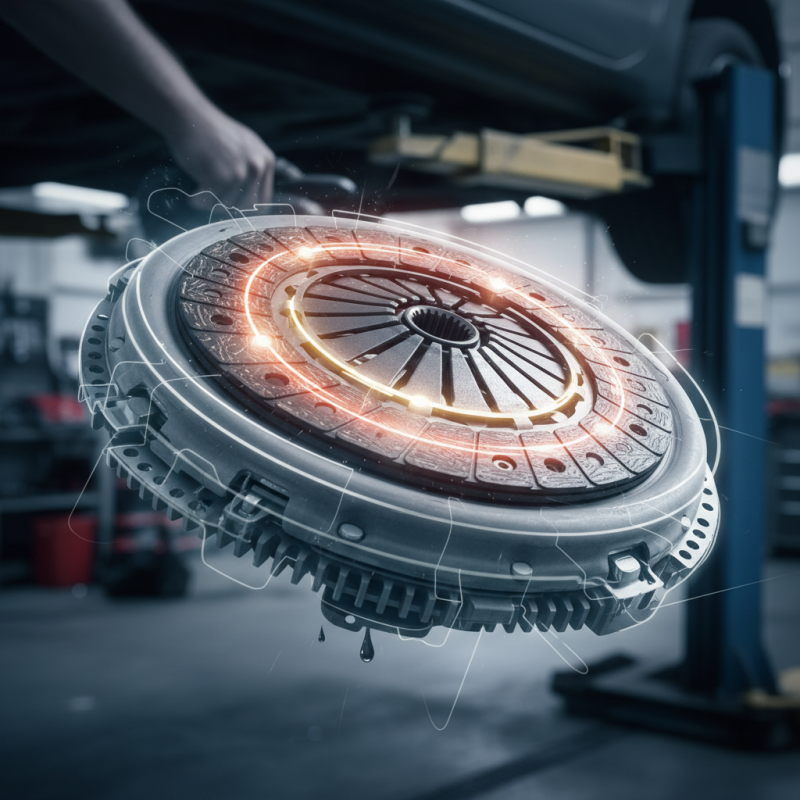
Clutch chatter is a frustrating phenomenon experienced during vehicle takeoff.
It is defined as a rapid, jerky engagement of the clutch that can cause discomfort and increase wear on vehicle components.
Understanding its causes is crucial for safe and efficient driving.
Research indicates that approximately 20% of drivers have experienced clutch chatter at least once.
One primary factor contributing to clutch chatter is uneven wear on the clutch disc.
This wear can result from excessive heat or improper installation. Another significant cause is the mismatch between the friction materials of the clutch and flywheel.
A study by the Society of Automotive Engineers highlighted that nearly 30% of clutch failures are related to these compatibility issues.
Additionally, vibration from the engine or drivetrain can exacerbate the problem. Drivers may not always recognize these underlying issues, which makes awareness essential.
It's worth noting that clutch chatter isn't always easy to diagnose.
Subtle signs may be overlooked, leading to bigger problems down the line. For instance, a slight judder during takeoff can be mistaken for normal operational noise.
It is important for vehicle owners to be vigilant and reflective about their vehicle's performance.
Regular maintenance and inspections can help identify and address these issues before they escalate.
Clutch chatter is a common issue during vehicle takeoff. This problem often manifests as a
shuddering sensation when the driver engages the clutch. Several factors can lead to this annoying phenomenon,
often stemming from the clutch's components.
One of the primary causes is uneven wear on the clutch disc. Over time, the friction material can degrade unevenly,
resulting in a lack of smooth contact. If the flywheel surface is also worn or warped, it can exacerbate the issue. Another reason could be improper installation.
If the clutch isn't aligned correctly, it can lead to vibrations when engaging the clutch. Additionally, low fluid levels in hydraulic systems
can interfere with clutch performance, creating a choppy engagement.
Environmental factors may play a role too. For instance, dampness or dirt can compromise the clutch components.
Drivers might overlook these details, but they are crucial. Ignoring the signs of clutch chatter may eventually lead to
more severe transmission problems. It's essential to address
any strange sensations early. Regular maintenance and inspection are key.
When aspects of the clutch system go unmonitored, it can result in costly repairs later on, which no driver wants to face.
Clutch chatter can be a frustrating issue during vehicle takeoff. The type of transmission plays a significant role in this phenomenon. Vehicles with manual transmissions often experience more clutch chatter. This can stem from uneven wear or misalignment in the clutch assembly. The driver’s engagement technique also makes a difference. Quick or jerky releases can amplify the problem, causing the clutch to grab erratically.
Automatic transmissions tend to be smoother during takeoff. However, they are not immune to chatter. The problem can arise from the torque converter or issues in the transmission fluid. If the fluid is too old or contaminated, it may not lubricate the clutch effectively. Regular maintenance is crucial. Neglecting fluid changes can lead to performance issues.
It's valuable to note that chatter can reveal underlying mechanical problems. Ignoring the symptoms could result in costly repairs later. Diagnosing the cause is essential. Understanding the relationship between the transmission type and clutch performance can help drivers take preventive measures. Gathering expert opinions can also be beneficial in this regard.
Clutch chatter is a common problem during vehicle takeoff. It can feel like a sudden, harsh vibration as you engage the clutch. This sensation often indicates an underlying issue with the drivetrain or clutch assembly. Drivers may notice unusual noises or unpleasant vibrations when shifting gears. These signs can be alarming, especially for those unfamiliar with vehicle maintenance.
Several factors can contribute to clutch chatter. A worn or damaged clutch disc is a primary cause. When the disc cannot engage smoothly, it creates that unpleasant shaking sensation. Another factor could be an unbalanced flywheel. It can lead to inconsistent power delivery during acceleration. If drivers are experiencing frequent chatter, they should investigate these potential issues.
Ignoring clutch chatter is risky. It can lead to more severe problems if not addressed promptly. Drivers should heed any unusual sounds or sensations while driving. Regular vehicle maintenance can help identify issues early, reducing repair costs in the long run. While some experts recommend monitoring clutch performance, others emphasize the importance of immediate inspection. Recognizing these signs ensures a smoother driving experience and prolongs the life of your vehicle.
| Sign/Symptom | Description | Possible Causes | Suggested Action |
|---|---|---|---|
| Vibration | Shaking or pulsing felt in the clutch pedal or chassis | Worn clutch components or misalignment | Inspect and replace clutch components |
| Noisy Clutch | Grinding or scraping noises during engagement | Worn clutch disc or pressure plate | Check for wear and replace parts as necessary |
| Inconsistent Engagement | Clutch engages or disengages abruptly | Hydraulic issues or air in the hydraulic line | Bleed the hydraulic system |
| Burning Smell | Odor resembling burnt rubber while driving | Overheating clutch components | Allow components to cool and inspect for damage |
| Difficulty Shifting | Hard to shift gears or grinding while shifting | Clutch not fully disengaging | Inspect clutch operation and adjust if needed |
Clutch chatter can be a frustrating issue during vehicle takeoff. It often occurs when there is uneven contact between the clutch plates. This can come from poor installation, worn components, or lack of lubrication. Drivers may notice a shaking sensation accompanied by a jarring sound. These symptoms can make driving uncomfortable and may lead to further damage.
Preventative measures can be quite effective. Regular maintenance checks are vital. Ensure the clutch system is clean, and the fluid is at the proper level. Inspect the clutch plates for wear and replace them if necessary. Even small adjustments can make a big difference.
Drivers should also be mindful of their driving habits. Abrupt starts or excessive idling can exacerbate chatter.
In some cases, solutions might involve more than just maintenance. Upgrading to a higher-quality clutch system might be beneficial. However, this can require a significant investment. Consulting with professionals for guidance is always a prudent choice. An experienced technician can provide insights into the best options for your vehicle. Reflecting on driving styles and maintenance habits is essential for long-term performance.
: Clutch chatter is a shuddering sensation during vehicle takeoff. It occurs when engaging the clutch.
Clutch chatter can result from uneven wear on the clutch disc or improper installation. Other causes exist too.
Yes, dampness or dirt can compromise clutch components. Drivers often overlook these factors.
Signs include harsh vibrations, unusual noises, and unpleasant sensations when shifting gears.
Ignoring clutch chatter can lead to severe transmission issues. Prompt action is essential for vehicle health.
Regular checks can identify problems early. This reduces the chance of costly repairs later on.
Improper installation can lead to vibrations and inconsistent clutch engagement. It’s a problem to consider.
Low fluid can interfere with clutch performance and lead to choppy engagement when shifting.
Yes, clutch chatter is a common issue for many drivers. Awareness is key to addressing it.
Monitoring is crucial. Recognizing issues early can lead to a smoother driving experience.
Clutch chatter during vehicle takeoff can be a frustrating issue for drivers, and understanding what causes clutch chatter during takeoff is essential for effective solutions. This phenomenon often arises from several common factors, including worn clutch components, improper installation, and mismatched transmission types. The interaction between the clutch and the transmission can also significantly influence the likelihood of chatter, as certain designs may exacerbate the problem.
Drivers experiencing clutch chatter should be aware of the signs and symptoms, which may include vibrations or jerking motions during acceleration. Addressing these issues involves implementing preventative measures, such as regular maintenance and timely replacements of worn parts. By understanding the root causes and taking proactive steps, drivers can mitigate the impacts of clutch chatter and ensure a smoother driving experience.

TVC Auto