What is the average lifespan of an OEM clutch? Many drivers expect one fixed number, but real-world results vary widely. An original-equipment clutch often lasts between 30,000 and 100,000 miles. Some reach 150,000 miles with gentle driving and regular inspections. Others fail much earlier in heavy traffic, steep terrain, or frequent towing.
Automotive technical expert Richard Reina offers a practical warning: “A clutch does not wear on a calendar; it wears through use, heat, and driver technique.” That observation matters. A clutch facing can overheat during repeated hill starts, while a slipping clutch may leave a sharp, burnt-paper smell inside the cabin. Stop-and-go traffic also keeps the release bearing and pressure plate working constantly. Small habits matter.
This guide presents seven useful tips for estimating clutch life and recognizing early problems. It considers mileage, driving style, vehicle load, maintenance history, and warning symptoms. The clutch pedal may feel normal today, then suddenly engage near the top tomorrow. That change deserves attention.
Mileage alone can mislead. A highway-driven vehicle may outlast a low-mileage city car. Even OEM parts can wear unevenly when installation, flywheel condition, or hydraulic adjustment is poor. That is an important limitation.
A careful inspection remains more reliable than an online estimate. Check for slipping during acceleration, difficult gear engagement, unusual noises, and fluid leaks. Do not ignore them. The best replacement decision combines measured symptoms, service records, and advice from a qualified technician familiar with your vehicle.
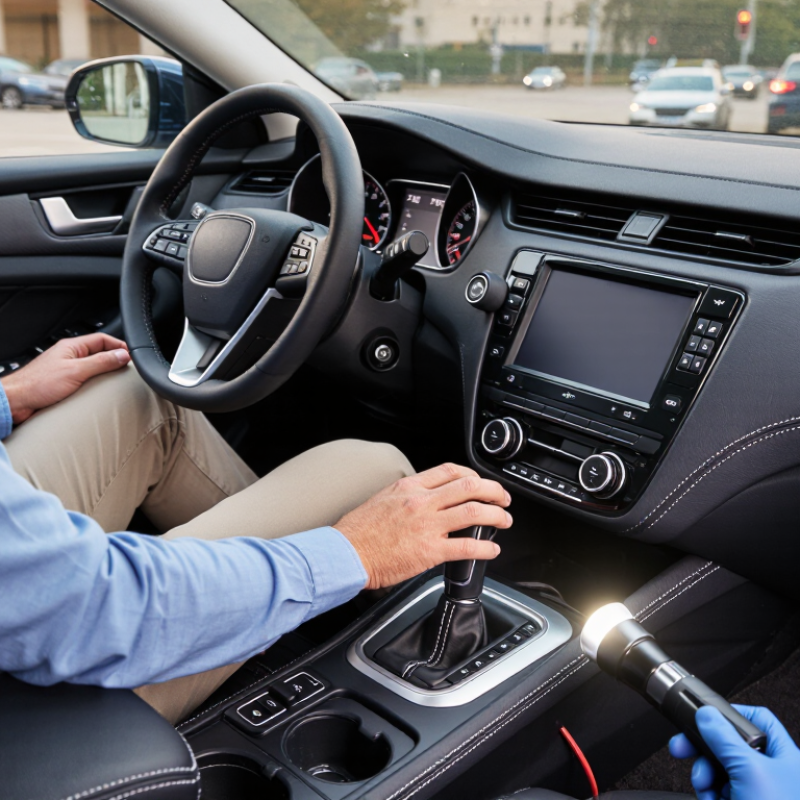
What an OEM Clutch Is and How Its Lifespan Is Measured
An OEM clutch is the original equipment specification fitted to a vehicle or designed to match its factory drivetrain. It includes the clutch disc, pressure plate, release bearing, and related hardware. Its lifespan is not measured by mileage alone. A careful assessment considers mileage, driving habits, load, traffic, maintenance, and pedal feel.
Mileage gives a useful reference, but it is an imperfect ruler. Many OEM clutches operate for 60,000 to 120,000 miles under moderate conditions. Frequent stop-and-go driving can shorten that range. Towing, steep hills, aggressive launches, and resting a foot on the pedal create extra heat and friction. Seven practical checks help: engagement point, slipping under acceleration, burning odor, shuddering, unusual noise, pedal effort, and fluid or linkage condition.
A road test should compare engine speed with vehicle speed in a higher gear. If engine speed rises without matching acceleration, clutch slip is likely. Technicians also inspect disc wear, pressure-plate contact, flywheel damage, and release-system movement. A high engagement point does not always prove failure; adjustment or hydraulic problems can produce similar signs. I have seen mileage estimates mislead owners when traffic use was ignored. Service records and measured symptoms remain more reliable than a single lifespan figure. Replacement timing should follow verified wear, not guesswork.
What Is the Average Lifespan of an OEM Clutch?
An OEM clutch is the original-equipment clutch installed by the vehicle manufacturer. Its service life is commonly measured by mileage, engagement quality, clutch-slip symptoms, and the vehicle’s operating conditions.
How to read the chart: A manual-transmission clutch commonly lasts about 50,000–100,000 miles under mixed driving conditions. Frequent stop-and-go traffic, heavy loads, steep hills, and aggressive clutch use can shorten its life, while smooth highway driving may extend it beyond 100,000 miles.
The Average Service Life of an OEM Clutch
The average service life of an OEM clutch is often 60,000 to 100,000 miles. Yet this range is only a working reference. Some clutches last beyond 150,000 miles. Others need replacement near 30,000 miles. The difference usually comes from heat, friction, and driving habits. A clutch transfers engine power through a friction disc, pressure plate, and release bearing. These parts wear together, but not always evenly.
In daily driving, frequent stop-and-go traffic can shorten clutch life. Holding a vehicle on an incline with the clutch pedal creates unnecessary heat. Resting a foot on the pedal can also cause light, continuous contact. Heavy towing, steep roads, and repeated hard launches add more stress. Smooth pedal release helps. So does selecting neutral during longer stops. During workshop inspections, a slipping clutch often shows rising engine speed without matching vehicle acceleration. A burning odor, shuddering takeoff, or changed pedal feel deserves attention.
Mileage alone cannot confirm remaining service life. An inspection should check disc thickness, oil contamination, pressure-plate condition, flywheel scoring, and hydraulic movement. Replacing only one worn component may save money now, but it can increase labor later. That choice needs evidence. Maintenance records help, although they are sometimes incomplete. My own judgment would not rely on one symptom. A clutch can feel normal one week and deteriorate quickly after severe slipping. Driving conditions matter more than a neat number.
Key Factors That Affect Clutch Longevity
An OEM clutch commonly lasts 50,000 to 100,000 miles, but mileage is an imperfect yardstick. Traffic, driving technique, vehicle weight, and road gradients can change that range sharply. The U.S. Department of Energy reports that aggressive driving may reduce fuel economy by 15–30% on highways and 10–40% in stop-and-go traffic. Repeated slipping creates similar heat and friction inside the clutch assembly. A burning smell, rising engagement point, or engine speed climbing without faster acceleration deserves attention.
Tip 1: Control clutch slip. Hold the vehicle with the brake, not the clutch pedal, on hills. Resting a foot on the pedal can partially release the clutch for miles. That small pressure matters. A lightly loaded delivery vehicle may experience less wear than a heavily loaded passenger vehicle in city traffic. The Federal Highway Administration reports that Americans drive roughly 13,500 miles annually, yet two drivers with identical mileage can produce very different clutch life.
Tip 2: Match the gear to the load. Avoid pulling away in high gears or launching at high engine speed. Tip 3: Inspect leaks early. Oil or hydraulic fluid can contaminate the friction disc and cause shuddering. SAE technical studies on friction materials consistently identify temperature, pressure, and repeated slip as major wear variables. Manufacturer service schedules also deserve respect, although schedules cannot predict every driver’s habits. A clutch lasting only 35,000 miles is disappointing, but not automatically defective.
7 Tips: What Is the Average Lifespan of an OEM Clutch? – Key Factors That Affect Clutch Longevity
| Tip |
Key Factor |
Typical Reference Data |
How It Affects Clutch Life |
Practical Recommendation |
Common Warning Sign |
| 1 |
Expected service life |
Approximately 30,000–100,000 miles
(48,000–161,000 km) |
Service life varies widely with traffic, driving technique, vehicle load, and clutch design. |
Use the mileage range as a planning guide rather than a guaranteed replacement interval. |
Slipping, shuddering, noise, or difficulty selecting gears. |
| 2 |
Driving environment |
Heavy urban traffic can create several hundred clutch engagements per day. |
Frequent stop-and-go driving increases heat and friction-material wear compared with steady highway use. |
Leave adequate following distance, avoid unnecessary clutch cycling, and use neutral during longer stops. |
Burning odor or a soft engagement after repeated traffic stops. |
| 3 |
Driving technique |
Riding the clutch for even a few seconds during normal driving creates continuous wear. |
Partial engagement generates heat and can glaze the friction surfaces, reducing grip. |
Fully release the pedal after shifting and avoid using the clutch to hold the vehicle on an incline. |
Engine speed rises without a matching increase in vehicle speed. |
| 4 |
Vehicle load and towing |
Heavy loads and towing increase torque demand during starts and gear changes. |
Higher torque raises clutch temperature and places additional stress on the disc, pressure plate, and flywheel. |
Stay within the vehicle’s rated payload and towing limits; start smoothly without excessive engine speed. |
Judder, delayed engagement, or slipping under acceleration or on hills. |
| 5 |
Hill starts |
Repeated hill starts produce more heat than level-road starts. |
Holding the vehicle with the clutch instead of the brake causes accelerated friction wear. |
Use the parking brake or hill-start assistance, then engage the clutch progressively. |
Hot friction odor or vibration immediately after an uphill start. |
| 6 |
Clutch and hydraulic condition |
Hydraulic fluid is commonly inspected during routine maintenance; service intervals depend on the vehicle. |
Leaks, air, contaminated fluid, or incorrect adjustment can prevent full engagement or release. |
Inspect the pedal, master cylinder, slave cylinder, linkage, and fluid condition during scheduled service. |
Low or changing pedal height, hard shifting, or a pedal that remains near the floor. |
| 7 |
Early diagnosis and repair |
A slipping clutch can damage the flywheel and pressure plate if operated for an extended period. |
Continuing to drive with symptoms may turn a clutch replacement into a larger transmission-related repair. |
Have the system inspected promptly when slipping, noise, vibration, or gear-selection problems first appear. |
Persistent slipping in higher gears, rattling, or visible fluid leakage. |
Important: The mileage figures are general industry reference ranges, not guarantees. Actual OEM clutch longevity depends on the vehicle specification, clutch design, road conditions, maintenance history, driver behavior, and load usage.
How to Extend OEM Clutch Life and Plan Replacement
An OEM clutch often lasts 50,000 to 100,000 miles, but driving conditions can change that range sharply. Heavy traffic, towing, steep roads, and frequent hill starts increase clutch wear. Workshop inspections often reveal damage before the driver notices serious symptoms.
Use gentle starts and avoid holding the vehicle with clutch slip. Shift smoothly and keep your foot off the pedal while cruising. Do not rest your hand heavily on the gear lever. Check for oil leaks near the transmission, because contamination can quickly damage the clutch disc. Watch for slipping, burning smells, chatter, or a rising engagement point. These signs deserve a professional inspection. Small symptoms matter.
Plan replacement before complete failure. Record mileage, driving habits, and previous repairs. Ask a qualified technician to inspect the disc, pressure plate, release bearing, flywheel, and hydraulic system together. Replacing only one worn component may create repeat labor costs. Still, replacement timing is not an exact science. A careful driver may exceed the average, while frequent stop-and-go use may reduce it considerably. Get a written estimate, compare it with the vehicle’s value, and leave extra time for parts or flywheel machining.
Regular inspection is cheaper than guessing.
Conclusion
Understanding what is the average lifespan of an OEM clutch helps vehicle owners plan maintenance and avoid unexpected repairs. An OEM clutch is designed to match the vehicle’s original specifications, but its service life can vary widely depending on driving habits, traffic conditions, vehicle load, road inclines, and maintenance quality. In general, a properly used clutch may last many years and cover a substantial mileage, while frequent stop-and-go driving, aggressive acceleration, heavy towing, or riding the clutch pedal can shorten its lifespan.
Common warning signs include slipping during acceleration, difficulty shifting, unusual noises, clutch pedal changes, burning odors, or delayed vehicle response. Drivers can extend clutch life by using smooth takeoffs, fully releasing the pedal while cruising, avoiding unnecessary clutch engagement, and following recommended inspections. Keeping accurate service records and responding early to symptoms can help prevent additional damage and make replacement planning more predictable.

 TVC Auto